
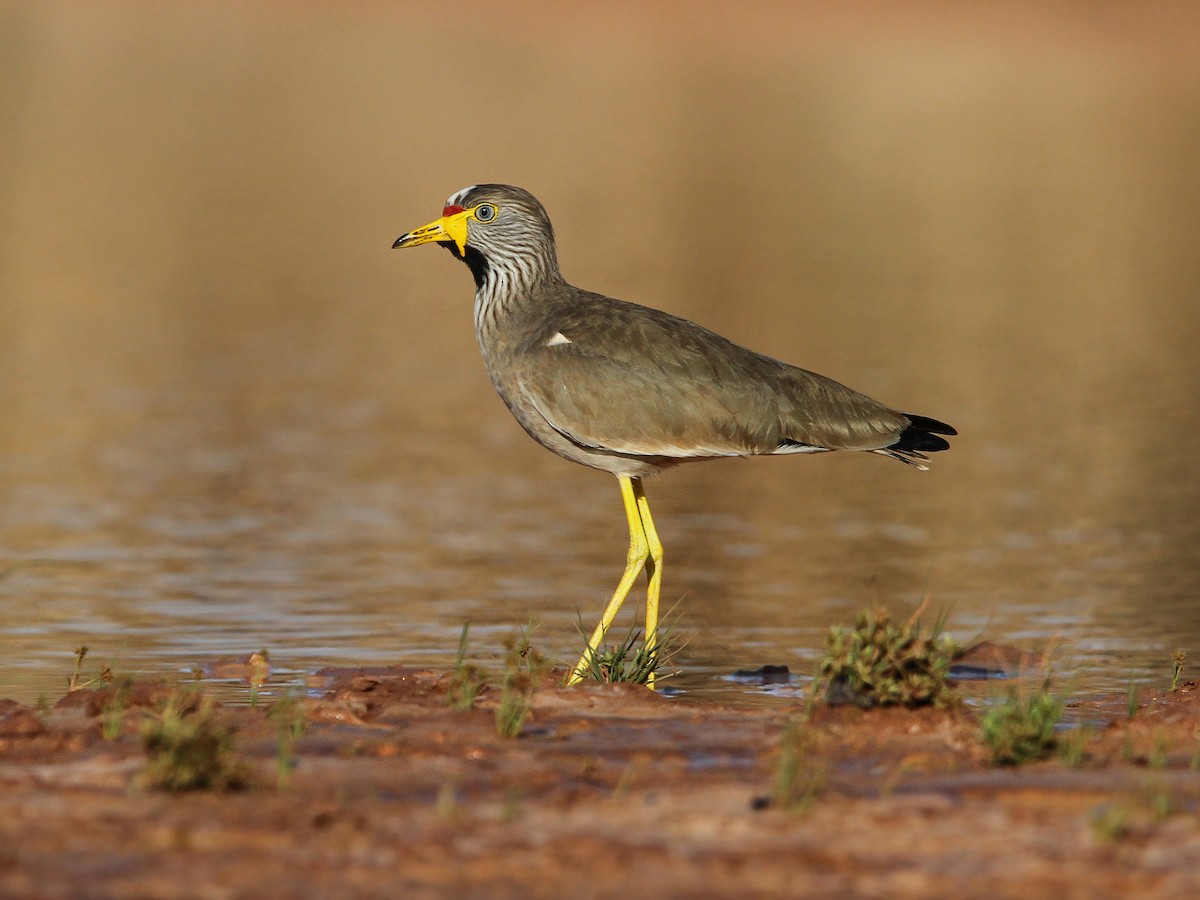
African Wattled Lapwing
African Wattled Lapwing
Discovering the African Wattled Lapwing: A Birding Safari Experience in Kenya
Birdwatching, or birding, is a captivating pursuit that draws nature enthusiasts and ornithologists alike into the heart of the wild. Among the many avian wonders of Africa, the African Wattled Lapwing (Vanellus senegallus) stands out for its distinctive appearance, vocal nature, and fascinating behaviors. Embarking on a birding safari in Kenya offers a unique opportunity to observe this remarkable species in its natural habitat.
In this comprehensive guide, we delve into the world of the African Wattled Lapwing, explore its habitats, behaviors, and significance, and provide expert advice on how to experience this bird on a Kenyan safari. Whether you’re a seasoned birder or a curious traveler, this article will serve as your ultimate resource.
Introduction to the African Wattled Lapwing
The African Wattled Lapwing, also known as the Senegal Wattled Plover, is a medium-sized wader found across sub-Saharan Africa. It is easily identifiable by its striking yellow facial wattles, long legs, and bold black-and-white wing patterns. This bird is often seen in open grasslands, wetlands, and savannas, making it a frequent sight on birding safaris in Kenya.
Key Characteristics
- Scientific Name: Vanellus senegallus
- Family: Charadriidae
- Size: Approximately 35–38 cm in length
- Wingspan: Around 75 cm
- Distinctive Features: Yellow wattles, long yellow legs, black crown, and white forehead
These birds are known for their loud, raucous calls and territorial displays, particularly during the breeding season.
Habitat and Distribution
The African Wattled Lapwing is widely distributed across sub-Saharan Africa, including countries like Kenya, Uganda, Tanzania, and South Africa. In Kenya, it thrives in a variety of ecosystems, from the lush wetlands of Lake Baringo to the open plains of the Maasai Mara.
Preferred Habitats
- Wetlands and marshes
- Open grasslands
- Floodplains
- Agricultural fields
These birds are often spotted near water bodies, where they forage for insects, worms, and small invertebrates.
For a chance to observe this bird in its natural environment, consider exploring the Lake Turkana region, a haven for birdlife and one of Kenya’s most remote and pristine ecosystems.
Behavior and Diet
The African Wattled Lapwing is diurnal and highly vocal. It is known for its defensive behavior, often seen chasing away intruders from its nesting territory with loud calls and aerial displays.
Feeding Habits
- Diet: Insects, beetles, grasshoppers, worms, and other invertebrates
- Foraging Behavior: Ground forager, often seen walking slowly and pecking at the ground
Breeding Behavior
- Nesting: Simple ground scrape, often in open areas
- Clutch Size: Typically 3–4 eggs
- Incubation: Both parents share incubation duties
- Chick Development: Precocial chicks, able to walk and feed themselves shortly after hatching
Why Kenya is a Birding Paradise
Kenya is globally recognized as one of the top birding destinations, boasting over 1,100 recorded bird species. From the Great Rift Valley lakes to the arid north, the country offers a diverse range of habitats that support an astonishing variety of birdlife.
Top Birding Destinations in Kenya
- Lake Baringo – Over 470 bird species, including the African Wattled Lapwing
- Maasai Mara – Rich in raptors and grassland birds
- Samburu National Reserve – Home to arid-zone specialists
- Lake Turkana – A remote birding gem with unique species
Explore custom birding safaris with expert guides who know where to find the African Wattled Lapwing and other sought-after species.
Planning Your Birding Safari
A successful birding safari requires careful planning, especially if you aim to see specific species like the African Wattled Lapwing. Here are some tips to enhance your experience:
Best Time to Visit
- Dry Season (June to October) – Ideal for general wildlife viewing and birding
- Wet Season (November to April) – Best for migratory birds and breeding activity
What to Pack
- Binoculars (8×42 or 10×42 recommended)
- Field guide to East African birds
- Camera with telephoto lens
- Notebook or birding app for recording sightings
- Lightweight, neutral-colored clothing
Choosing the Right Safari Operator
Opt for a reputable operator like Turkana Wildlife Safaris, known for their specialized birding tours and deep knowledge of Kenya’s avifauna.
Conservation Status and Threats
The African Wattled Lapwing is currently listed as Least Concern by the IUCN, thanks to its wide distribution and stable population. However, habitat loss due to agriculture and wetland drainage poses a threat in some areas.
Conservation Efforts
- Protected Areas: Many of Kenya’s national parks and reserves provide safe habitats
- Community Involvement: Local communities play a key role in habitat preservation
- Ecotourism: Responsible birding safaris contribute to conservation funding
Support conservation by choosing eco-friendly tours like those offered by Turkana Wildlife Safaris.
Cultural Significance of Birds in Kenya
Birds hold a special place in many African cultures, often symbolizing freedom, wisdom, or spiritual messages. In Kenya, birds like the African Wattled Lapwing are not only admired for their beauty but also respected for their role in the ecosystem.
Unique Birding Experiences with Turkana Wildlife Safaris
Turkana Wildlife Safaris offers immersive birding experiences tailored to your interests. Their expert guides, deep knowledge of local habitats, and commitment to conservation make them a top choice for birdwatchers.
Highlights of Their Birding Tours
- Custom itineraries focused on target species
- Access to lesser-known birding hotspots
- Opportunities to combine birding with cultural experiences
- Small group sizes for personalized attention
Visit their Bird Watching Safari page to learn more.
FAQs About African Wattled Lapwing and Birding Safaris
1. Where is the best place to see the African Wattled Lapwing in Kenya?
You can spot this bird in several regions, but the wetlands around Lake Baringo and the open grasslands of the Maasai Mara are particularly good locations.
2. What makes the African Wattled Lapwing unique?
Its bright yellow facial wattles, loud calls, and striking plumage make it one of the most distinctive lapwings in Africa.
3. Can I see the African Wattled Lapwing year-round?
Yes, it is a resident species in Kenya and can be seen throughout the year, although breeding behaviors are more visible during the rainy season.
4. What other birds can I see on a birding safari in Kenya?
Kenya is home to over 1,100 bird species, including flamingos, hornbills, turacos, bee-eaters, and raptors. Check out Kenya birding tours for more details.
5. How do I book a birding safari with Turkana Wildlife Safaris?
Visit the official website to contact their team and customize your birding adventure.
Conclusion
The African Wattled Lapwing is more than just a beautiful bird — it is a symbol of Africa’s rich biodiversity and a highlight of any birding safari in Kenya. With its unique appearance, engaging behaviors, and wide distribution, this species offers birders an unforgettable experience.
Whether you’re exploring the wetlands of Lake Baringo or the remote landscapes of Lake Turkana, a birding safari with Turkana Wildlife Safaris will connect you with nature in a profound and meaningful way.
So pack your binoculars, grab your field guide, and get ready to discover the African Wattled Lapwing in the wild heart of Kenya.