
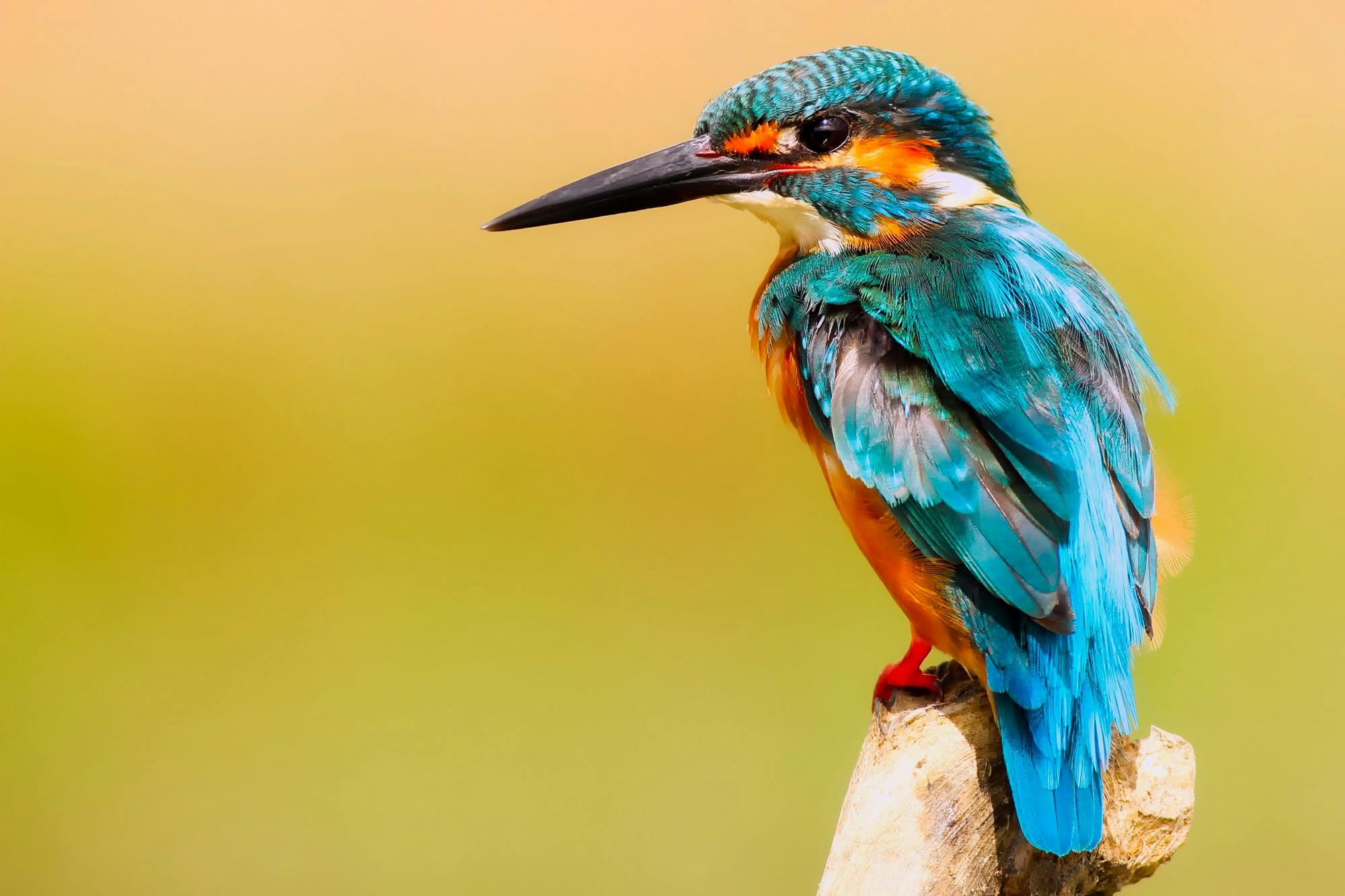
Malachite Kingfisher
Malachite Kingfisher
Discover the Malachite Kingfisher: A Birding Safari Experience Like No Other
Introduction: The Jewel of African Wetlands
The African wilderness is a treasure trove of avian wonders, but few birds captivate the heart and lens of birdwatchers quite like the Malachite Kingfisher. With its iridescent plumage, sapphire crown, and fiery orange chest, this tiny bird is a living gem of the wetlands. Found near slow-moving water bodies across sub-Saharan Africa, the Malachite Kingfisher is a must-see species on any birding safari.
This article takes you deep into the world of the Malachite Kingfisher, exploring its habitat, behavior, and how you can witness its beauty firsthand on a birding safari in Kenya. Whether you’re a seasoned birder or a curious traveler, this guide will enrich your understanding and appreciation of one of Africa’s most enchanting birds.
The Malachite Kingfisher: A Profile in Color and Grace
Physical Characteristics
The Malachite Kingfisher (Corythornis cristatus) is a small but striking bird, measuring around 13 cm in length. Despite its size, its vivid coloration ensures it never goes unnoticed.
- Crown and Crest: Shimmering blue with black speckles
- Back and Wings: Electric blue with metallic hues
- Face and Underparts: Bright orange to rufous
- Bill: Long, sharp, and red—ideal for catching fish
- Eyes: Dark with a piercing gaze, framed by a white throat patch
These features make it a favorite among wildlife photographers and birding enthusiasts.
Behavior and Diet
The Malachite Kingfisher is a solitary and territorial bird, often seen perched quietly on reeds or branches overhanging water. It hunts by diving headfirst into the water to catch:
- Small fish
- Aquatic insects
- Crustaceans
- Tadpoles
Its hunting technique is swift and precise, a marvel to witness during a guided birding safari in East Africa.
Where to Spot the Malachite Kingfisher in Kenya
Kenya is a birdwatcher’s paradise, boasting over 1,100 bird species. The Malachite Kingfisher is commonly found in:
1. Lake Turkana Basin
This UNESCO World Heritage Site is a haven for aquatic birds. The Lake Turkana region offers excellent opportunities to spot the Malachite Kingfisher along its shores and river inlets.
2. Samburu National Reserve
Located in northern Kenya, this reserve is home to numerous riverine habitats where the kingfisher thrives.
3. Lake Naivasha
A freshwater lake surrounded by lush vegetation, Lake Naivasha is a hotspot for birdwatching tours and is ideal for spotting kingfishers and other waterbirds.
4. Kakamega Forest
Although primarily a forest habitat, the forest streams and wetlands here provide a suitable environment for the Malachite Kingfisher.
5. Maasai Mara Riverbanks
While the Mara is known for big game, its riverbanks are teeming with birdlife, including the elusive Malachite Kingfisher.
Why Choose a Birding Safari with Turkana Wildlife Safaris?
Turkana Wildlife Safaris offers expertly curated birding experiences that cater to both amateur and professional ornithologists. Here’s why they stand out:
- 🦜 Expert Local Guides: Trained ornithologists with deep knowledge of Kenya’s bird species
- 🚙 Customized Itineraries: Tailored to your birding interests and photography goals
- 🏕️ Eco-Friendly Lodging: Stay in eco-lodges near prime birding locations
- 📸 Photography Support: Specialized tours for bird photographers
- 🌍 Conservation Focus: Supporting local conservation efforts and communities
Explore their birding safari packages for more details.
The Best Time to See the Malachite Kingfisher
While the Malachite Kingfisher can be spotted year-round, the best time to observe them is during the dry seasons:
- January to March
- July to October
During these months, water levels are lower, making it easier to see the birds as they hunt along exposed banks and reeds.
Essential Gear for a Malachite Kingfisher Safari
To make the most of your birding adventure, consider packing the following:
Optics
- High-quality binoculars (8×42 or 10×42)
- DSLR or mirrorless camera with telephoto lens (300mm+)
- Spotting scope for distant views
Clothing
- Neutral-colored, lightweight clothing
- Wide-brimmed hat and sunglasses
- Waterproof boots for marshy terrain
Miscellaneous
- Field guide to East African birds
- Notebook or birding app for logging sightings
- Insect repellent and sunscreen
Conservation Status and Threats
The Malachite Kingfisher is currently listed as “Least Concern” by the IUCN, but that doesn’t mean it’s free from threats:
- Habitat Loss: Wetland drainage for agriculture and urban development
- Pollution: Water contamination affecting fish populations
- Climate Change: Altered rainfall patterns impacting breeding cycles
By choosing eco-conscious operators like Turkana Wildlife Safaris, you contribute to the protection of these delicate ecosystems.
Cultural Significance of the Malachite Kingfisher
In many African cultures, kingfishers are seen as symbols of peace, prosperity, and precision. Their vibrant colors and elusive nature have inspired folklore and art throughout the continent. Spotting one on safari is often considered a sign of good luck.
Combine Birding with Other Safari Experiences
A birding safari doesn’t have to be limited to birds. With Turkana Wildlife Safaris, you can combine your birdwatching adventure with:
- 🐘 Big Five game drives
- 🏞️ Cultural tours to Turkana villages
- 🌋 Visits to volcanic landscapes and crater lakes
- 🐊 Boat safaris for close encounters with aquatic life
This holistic approach ensures a rich and fulfilling travel experience.
Tips for Photographing the Malachite Kingfisher
Capturing the iridescent beauty of the Malachite Kingfisher requires patience and technique:
- Use a fast shutter speed (1/1000s or faster) to freeze motion
- Shoot during golden hours for optimal lighting
- Focus on the eyes for a sharp, compelling image
- Use burst mode to capture diving sequences
- Stay low and quiet to avoid startling the bird
Many birding safaris offer photography-specific itineraries with guides who understand the needs of wildlife photographers.
Frequently Asked Questions (FAQ)
1. Where is the best place in Kenya to see the Malachite Kingfisher?
The Lake Turkana region and riverine areas in Samburu and Maasai Mara are top spots for sightings.
2. Is the Malachite Kingfisher endangered?
No, it is currently listed as “Least Concern” by the IUCN, but local populations may face threats from habitat loss and pollution.
3. What makes Turkana Wildlife Safaris ideal for birdwatchers?
They offer customized birding tours led by expert guides, with a strong focus on conservation and eco-tourism.
4. What other birds can I see on a birding safari in Kenya?
You can expect to see:
- African Fish Eagle
- Lilac-breasted Roller
- Grey Crowned Crane
- Secretary Bird
- African Jacana
Explore their full bird species list for more.
5. How long should a birding safari last?
A typical birding safari lasts 7–14 days, allowing ample time to explore multiple habitats and maximize sightings.
Final Thoughts: A Safari for the Soul
The Malachite Kingfisher is more than just a bird; it’s a symbol of Africa’s vibrant biodiversity and the delicate balance of its ecosystems. Witnessing this dazzling creature in its natural habitat is a privilege and a reminder of the beauty worth protecting.
Whether you’re a passionate birder or a curious traveler, a Malachite Kingfisher safari with Turkana Wildlife Safaris promises an unforgettable journey into the heart of Kenya’s wild beauty.
Ready to Begin Your Birding Adventure?
📧 Contact Turkana Wildlife Safaris today to plan your personalized birding safari and experience the magic of the Malachite Kingfisher up close.
🦜 Explore. Discover. Conserve.