
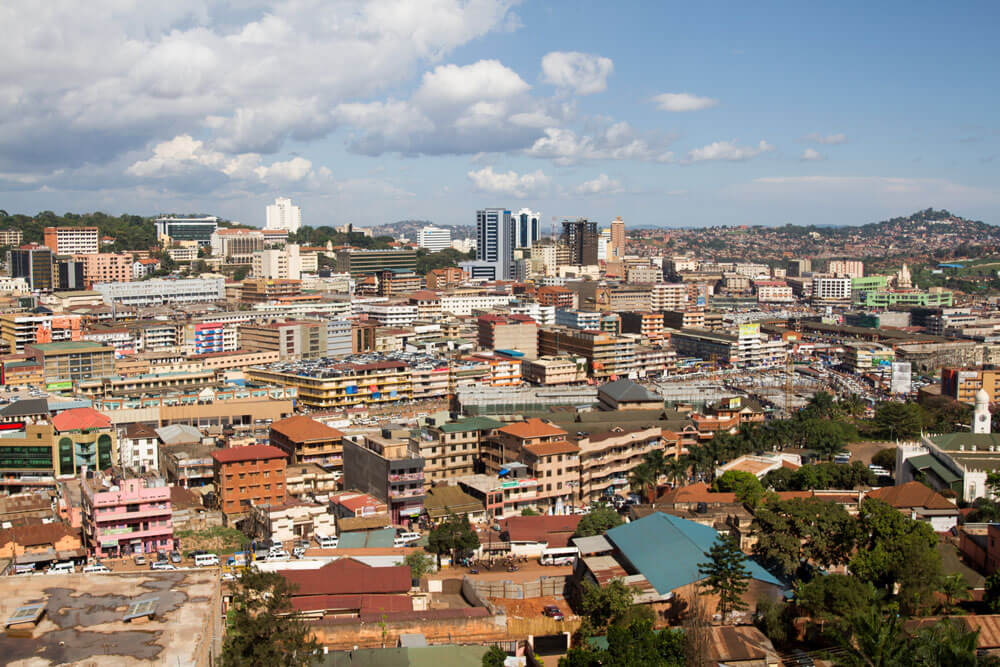
Relocating to Uganda from Canada
Relocating to Uganda from Canada
The Ultimate Guide to Relocating to Uganda from Canada: Everything You Need to Know
Relocating internationally is a life-changing decision, and moving from Canada to Uganda is no exception. Whether you’re seeking new business opportunities, a change of scenery, or a deeper connection with Africa’s rich cultural heritage, Uganda offers a unique blend of natural beauty, economic potential, and warm hospitality. This comprehensive guide will walk you through every aspect of the relocation process—from visas and housing to culture and cost of living—ensuring your transition is smooth, informed, and successful.
Why Consider Moving to Uganda?
A Land of Opportunity and Natural Splendor
Uganda, often referred to as the “Pearl of Africa,” is a country of immense biodiversity, vibrant culture, and growing economic potential. Nestled in East Africa, it boasts stunning landscapes, including Lake Victoria, the Rwenzori Mountains, and numerous national parks teeming with wildlife.
Economic Growth and Investment Potential
Uganda’s economy has been steadily growing, driven by sectors like agriculture, tourism, and technology. The government has implemented policies to attract foreign investors, making it an appealing destination for Canadian entrepreneurs and professionals seeking new ventures.
Preparing for the Move: Legal and Administrative Essentials
Visa and Residency Requirements
Before relocating, Canadians must obtain the appropriate visa. Uganda offers several options:
- Tourist Visa: Valid for 90 days, suitable for initial visits.
- Work Permit: Required for employment or business activities.
- Dependent Pass: For spouses and children of work permit holders.
- Resident Permit: For long-term stays.
You can apply for a visa through the Uganda Electronic Visa/Permit Application System. Ensure your passport is valid for at least six months beyond your intended stay.
Vaccinations and Health Requirements
Uganda requires proof of yellow fever vaccination upon entry. Additionally, it’s advisable to be vaccinated against:
- Hepatitis A and B
- Typhoid
- Rabies (especially for rural areas)
- Meningitis
Consult a travel clinic in Canada for a tailored vaccination plan.
Shipping and Customs Regulations
When shipping belongings, be aware of Uganda’s customs regulations. Used household items may be imported duty-free if they have been owned for over six months. Prohibited items include:
- Narcotics
- Pornographic material
- Counterfeit goods
Use reputable international movers experienced in East African logistics.
Cost of Living in Uganda vs. Canada
Housing and Utilities
Housing in Uganda is significantly more affordable than in Canada. In Kampala, the capital, you can rent a modern two-bedroom apartment for as little as $500 CAD/month. Utilities (electricity, water, internet) average around $100 CAD/month.
Food and Groceries
Uganda offers a mix of local markets and international supermarkets. Local produce is inexpensive and abundant:
- Fresh fruits and vegetables: $1–$3 CAD/kg
- Local meats and fish: $3–$6 CAD/kg
- Imported goods are more expensive due to tariffs.
Transportation
Public transport is cheap but can be chaotic. Options include:
- Boda-bodas (motorcycle taxis)
- Matatus (minibuses)
- Uber and Bolt (available in major cities)
Car ownership is common among expats, with used vehicles starting at $5,000 CAD.
Finding Accommodation in Uganda
Popular Expat Neighborhoods in Kampala
- Kololo: Upscale, secure, close to embassies and restaurants.
- Naguru: Family-friendly, with international schools nearby.
- Muyenga: Scenic views, popular with NGO workers.
- Ntinda: Affordable and vibrant, with good amenities.
Renting vs. Buying
Most expats choose to rent. Lease agreements typically require:
- 3–6 months’ rent upfront
- Security deposit (usually one month)
- Signed contract with clear terms
Buying property is possible, but foreigners can only lease land for up to 99 years. Use a trusted real estate agent and lawyer.
Employment and Business Opportunities
Working in Uganda
Expats often find work in:
- NGOs and international organizations
- Education and healthcare
- Tourism and hospitality
- Technology and startups
Work permits are employer-sponsored and require proof of qualifications.
Starting a Business
Uganda ranks among the top African countries for entrepreneurial activity. Lucrative sectors include:
- Agribusiness
- Renewable energy
- Real estate
- E-commerce
Register your business through the Uganda Registration Services Bureau (URSB). Foreigners can own 100% of a business in most sectors.
Education and International Schools
Uganda has a range of international schools offering British, American, and IB curricula. Top institutions include:
- International School of Uganda (ISU)
- Kampala International School Uganda (KISU)
- Heritage International School
Tuition ranges from $5,000–$20,000 CAD/year, depending on the grade and school.
Healthcare System and Medical Facilities
Public vs. Private Healthcare
Public hospitals are under-resourced, so most expats use private clinics. Leading facilities include:
Health Insurance
International health insurance is strongly recommended. Providers like:
- Cigna Global
- Allianz Care
- Bupa International
offer comprehensive packages tailored to expats.
Cultural Integration and Lifestyle
Language and Communication
English is Uganda’s official language, making communication easy for Canadians. Luganda is widely spoken in central Uganda, and learning basic phrases can enhance your experience.
Social Life and Community
Uganda has a vibrant expat community, with social clubs, events, and online forums. Popular hangouts include:
- The Lawns (restaurant and bar)
- Kabira Country Club
- Acacia Mall (shopping and entertainment)
Religion and Traditions
Uganda is religiously diverse, with Christianity and Islam being predominant. Respect for local customs and modest dress is appreciated, especially in rural areas.
Safety and Security
General Safety
Uganda is relatively safe, but petty crime like pickpocketing can occur in crowded areas. Tips for staying safe:
- Avoid walking alone at night
- Use registered taxis or ride-hailing apps
- Keep valuables secure
Political Climate
Uganda has a stable government, but occasional protests can occur. Stay informed through local news and register with the Canadian Embassy in Uganda.
Banking and Financial Services
Opening a Bank Account
You’ll need:
- Valid passport
- Work/residence permit
- Proof of address
Top banks include:
Currency and Payments
The local currency is the Ugandan Shilling (UGX). Credit cards are accepted in urban areas, but cash is king in rural regions.
Internet and Communication
Mobile and Internet Providers
Reliable providers include:
- MTN Uganda
- Airtel Uganda
- Africell
Home internet packages range from $30–$100 CAD/month. Mobile data is affordable and widely available.
Travel and Exploration
Must-Visit Destinations
- Bwindi Impenetrable Forest: Gorilla trekking
- Queen Elizabeth National Park: Safari adventures
- Jinja: Source of the Nile and white-water rafting
Domestic Travel Tips
- Domestic flights are available via Aerolink Uganda
- Roads can be rough; 4×4 vehicles are recommended for rural travel
Pros and Cons of Living in Uganda
Pros
- Low cost of living
- Warm, welcoming people
- English-speaking environment
- Beautiful landscapes and wildlife
Cons
- Inconsistent infrastructure
- Limited healthcare in rural areas
- Bureaucratic processes
- Power outages (consider a generator)
Final Checklist Before You Move
- ✅ Apply for the correct visa
- ✅ Get necessary vaccinations
- ✅ Arrange international shipping
- ✅ Secure accommodation
- ✅ Purchase health insurance
- ✅ Open a local bank account
- ✅ Join expat forums and networks
Frequently Asked Questions (FAQ)
1. Is Uganda safe for Canadian expats?
Yes, Uganda is generally safe. However, like any country, it’s important to remain vigilant, especially in urban areas. Use ride-hailing apps and avoid walking alone at night.
2. Can I bring my pet from Canada to Uganda?
Yes, but you’ll need:
- A veterinary health certificate
- Proof of rabies vaccination
- Import permit from the Ugandan Ministry of Agriculture
3. How do I find a job in Uganda?
Start with platforms like:
Networking is key in Uganda’s job market.
4. What is the best time to move to Uganda?
The dry seasons (December–February and June–August) are ideal for relocation, as roads are more accessible and weather is pleasant.
5. Can I drive in Uganda with a Canadian license?
Yes, for up to 3 months. After that, you’ll need a Ugandan driver’s license. An international driving permit is also recommended.
Conclusion
Relocating to Uganda from Canada is a bold and rewarding move. With its welcoming culture, affordable lifestyle, and growing economy, Uganda offers a unique opportunity for Canadians seeking a new chapter abroad. By preparing thoroughly and embracing the adventure, you’ll find yourself not just living in Uganda—but thriving.