
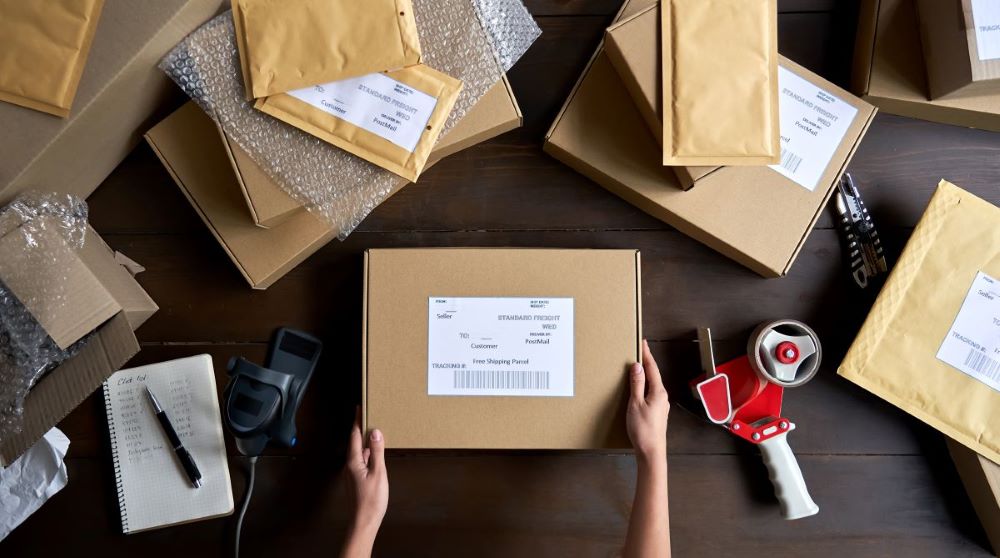
How to Send Package to Uganda
How to Send Package to Uganda
How to Send a Package to Uganda: The Ultimate 4000-Word Guide for Safe, Fast & Affordable Shipping
Sending a package internationally can seem like a daunting task, especially when shipping to destinations like Uganda. Whether you’re a business owner expanding into East African markets, a family member sending a care package, or a traveler returning a forgotten item, understanding the logistics, regulations, and best practices for international shipping is essential.
In this comprehensive guide, you’ll learn everything you need to know about how to send a package to Uganda, from choosing the right courier to navigating customs regulations and ensuring your shipment arrives safely and on time.
Understanding the Shipping Landscape in Uganda
Uganda, located in East Africa, is a landlocked country bordered by Kenya, South Sudan, the Democratic Republic of Congo, Rwanda, and Tanzania. Despite its geographical challenges, Uganda has a growing logistics infrastructure, with Entebbe International Airport serving as the main hub for international shipments.
The country’s postal system is operated by Posta Uganda, but many international shippers prefer using private couriers for faster and more reliable service.
Key Shipping Hubs in Uganda:
- Kampala – The capital and largest city, home to major logistics centers
- Entebbe – Location of the international airport
- Jinja – A growing industrial city with increasing shipping needs
- Mbarara – A commercial hub in western Uganda
Choosing the Right Courier Service
Selecting a reliable courier is crucial for timely and secure delivery. Here are some of the top-rated international shipping companies that operate in Uganda:
Top Courier Services to Uganda:
Factors to Consider When Choosing a Courier:
- Delivery time – Express vs. standard shipping
- Tracking capabilities – Real-time updates
- Customer service – Local support availability
- Cost – Based on weight, dimensions, and urgency
- Insurance options – Protection against loss or damage
Packaging Guidelines for International Shipping
Proper packaging ensures that your items arrive in good condition. International shipments are often handled multiple times, so durability is key.
Packaging Tips:
- Use sturdy boxes with reinforced corners
- Wrap fragile items in bubble wrap or foam
- Seal packages with strong packing tape
- Label clearly with recipient’s full address and contact number
- Include a return address and customs declaration form
Recommended Materials:
- Double-walled cardboard boxes
- Waterproof plastic liners
- Void fill (e.g., packing peanuts, air pillows)
- Tamper-evident tape
Customs Regulations and Documentation
Every international shipment to Uganda must pass through customs. To avoid delays or penalties, ensure all documentation is complete and accurate.
Required Documents:
- Air Waybill (AWB) – Provided by your courier
- Commercial Invoice – Details of the items and their value
- Packing List – Itemized contents of the package
- Import Permit (if applicable) – For restricted items
- Tax Identification Number (TIN) – For commercial shipments
Customs Duties and Taxes:
Uganda imposes import duties, VAT, and excise taxes on many goods. These are typically calculated based on the CIF value (Cost + Insurance + Freight).
For more details, visit the Uganda Revenue Authority (URA).
Prohibited and Restricted Items
To ensure compliance with Ugandan law, avoid sending items that are banned or require special permits.
Prohibited Items:
- Narcotics and illegal drugs
- Pornographic materials
- Counterfeit goods
- Weapons and ammunition
- Hazardous chemicals
Restricted Items (Require Permits):
- Pharmaceuticals
- Food and beverages
- Seeds and plants
- Electronics with communication capabilities
- Currency and precious metals
Check the Uganda National Bureau of Standards (UNBS) for the latest updates.
Shipping Costs and Delivery Times
Shipping costs vary depending on the courier, package weight, dimensions, and delivery speed.
Estimated Costs (as of 2024):
| Weight (kg) | DHL Express | FedEx | UPS | Aramex |
|---|---|---|---|---|
| 1 kg | $60 | $55 | $58 | $50 |
| 5 kg | $120 | $110 | $115 | $105 |
| 10 kg | $200 | $190 | $195 | $180 |
Average Delivery Times:
- Express Shipping: 3–5 business days
- Standard Shipping: 7–14 business days
- Economy Shipping: 14–21 business days
Use the courier’s shipping calculator for precise estimates.
Tracking and Insurance Options
Tracking Your Shipment:
Most major couriers offer real-time tracking via their websites or mobile apps. You’ll need your tracking number, which is usually found on the receipt or email confirmation.
Insurance:
- Declared value coverage – Included by some couriers
- Additional insurance – Optional for high-value items
- Third-party insurance – Available through logistics brokers
Tips for Smooth Delivery
To ensure your package reaches its destination without issues, follow these best practices:
Before Shipping:
- Double-check the recipient’s address
- Confirm customs requirements
- Choose the appropriate courier and service level
- Use durable, secure packaging
During Shipping:
- Monitor the tracking status
- Stay in touch with the recipient
- Respond promptly to any customs inquiries
After Delivery:
- Confirm receipt with the recipient
- Retain proof of delivery for your records
- Follow up on any insurance claims if needed
FAQs
1. What is the cheapest way to send a package to Uganda?
The most affordable method is using economy shipping services offered by couriers like Aramex or EMS/Posta Uganda. However, these options may take longer (up to 3 weeks).
2. How long does it take to ship a package to Uganda?
Delivery times vary based on the courier and shipping method:
- Express: 3–5 days
- Standard: 7–14 days
- Economy: 14–21 days
Use the courier’s delivery estimator for accurate timelines.
3. Do I need to pay customs fees when sending to Uganda?
Yes, most shipments are subject to customs duties and VAT. The recipient is usually responsible for these fees. Check with the Uganda Revenue Authority for current rates.
4. Can I send food or medicine to Uganda?
Yes, but these are restricted items and require import permits. Ensure the items are non-perishable, sealed, and comply with UNBS regulations.
5. What happens if my package is lost or damaged?
If your shipment is lost or damaged, you can file a claim with the courier. Ensure you have insurance and retain all documentation, including the tracking number and proof of value.
Final Thoughts
Sending a package to Uganda doesn’t have to be complicated. With the right preparation, courier selection, and documentation, your shipment can arrive safely and efficiently. Whether you’re sending a gift, a business product, or essential supplies, following the guidelines in this article will help you navigate every step of the process.
For the latest updates on shipping regulations, always refer to official sources like: