
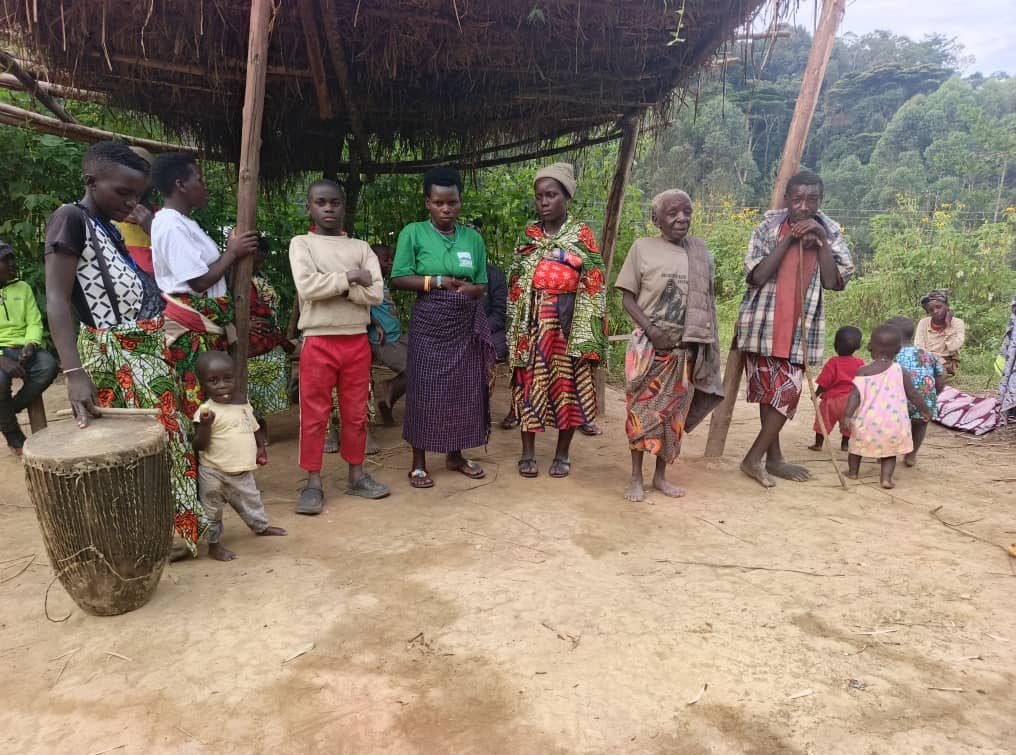
Missionary Trips to Uganda
Missionary Trips to Uganda
Transforming Lives: A Comprehensive Guide to Missionary Trips to Uganda
Introduction
Uganda, known as the “Pearl of Africa,” is a country rich in culture, natural beauty, and spiritual openness. For decades, it has been a prime destination for missionary trips due to its welcoming communities, growing Christian population, and pressing humanitarian needs. These journeys are not just about spreading faith—they are about building relationships, empowering communities, and creating sustainable change.
In this in-depth guide, we’ll explore everything you need to know about planning, executing, and reflecting on a missionary trip to Uganda. Whether you’re a seasoned missionary or preparing for your first journey, this article will provide valuable insights.
Why Choose Uganda for a Missionary Trip?
Uganda offers a unique blend of spiritual receptiveness and social need, making it an ideal destination for mission work. Here are some compelling reasons:
- Spiritual Openness: Over 84% of Ugandans identify as Christian, creating fertile ground for evangelism and discipleship.
- Youthful Population: With over 75% of the population under 30, there is a tremendous opportunity to influence future generations.
- Community-Oriented Culture: Ugandans are known for their hospitality and strong sense of community, which enhances the impact of mission work.
- Humanitarian Needs: Many regions face challenges such as poverty, limited access to education, and healthcare, making missionary aid vital.
Preparing for Your Missionary Trip to Uganda
1. Spiritual Preparation
Before setting foot in Uganda, spiritual readiness is crucial. This includes:
- Prayer and Fasting: Seek divine guidance and intercession for the mission.
- Team Devotions: Regular group devotions help build unity and spiritual focus.
- Cultural Sensitivity Training: Understand Ugandan customs, traditions, and religious practices to avoid cultural faux pas.
2. Logistical Planning
Proper planning ensures a smooth and effective mission trip. Key steps include:
- Securing a Passport and Visa: Uganda requires a visa for most foreign nationals.
- Vaccinations and Health Precautions: Common requirements include yellow fever, hepatitis A/B, and malaria prophylaxis.
- Travel Insurance: Essential for medical emergencies and trip cancellations.
- Fundraising: Use platforms like GoFundMe or organize church events to gather support.
3. Partnering with Local Ministries
Collaborating with established Ugandan ministries or churches enhances your mission’s effectiveness. Look for:
- Local Pastors and Leaders: They understand the community’s needs better.
- NGOs and Faith-Based Organizations: Groups like Compassion International and World Vision have longstanding operations in Uganda.
- Missionary Networks: Join forums or Facebook groups to connect with experienced missionaries.
Types of Missionary Work in Uganda
1. Evangelism and Church Planting
Spreading the Gospel remains the core of many missions. Activities include:
- Open-Air Crusades
- Door-to-Door Evangelism
- Bible Distribution
- Church Services and Conferences
2. Medical Missions
Uganda faces significant healthcare challenges. Medical missions can provide:
- Free Clinics
- Vaccination Drives
- Health Education Workshops
- Maternal and Child Health Services
3. Educational Missions
Education is a powerful tool for transformation. Missionaries can:
- Teach in Schools
- Conduct Literacy Programs
- Distribute School Supplies
- Train Teachers and Administrators
4. Construction and Infrastructure
Building projects are often needed in rural areas. Teams might:
- Construct Churches or Schools
- Build Wells and Sanitation Facilities
- Repair Homes and Community Centers
5. Orphan and Widow Support
Uganda has a high number of orphans due to HIV/AIDS and conflict. Missions often:
- Sponsor Orphanages
- Provide Counseling and Support
- Offer Vocational Training
- Distribute Food and Clothing
Cultural Insights for Missionaries
Understanding Ugandan culture is essential for effective ministry. Here are some key points:
- Language: English is the official language, but Luganda and Swahili are widely spoken.
- Greetings: Handshakes are common; elders are highly respected.
- Dress Code: Modesty is important, especially in rural areas.
- Religion: While Christianity is dominant, Islam and indigenous beliefs are also practiced.
Challenges of Missionary Work in Uganda
Missionary life is rewarding but not without its trials. Be prepared for:
- Cultural Misunderstandings
- Language Barriers
- Health Risks
- Resource Limitations
- Spiritual Warfare
Overcoming these challenges requires flexibility, humility, and a strong support system.
Impact Stories: Real Lives Changed
A Village Transformed
In 2019, a small team from Texas partnered with a Ugandan church to build a well in a remote village. The result? Clean water, reduced disease, and a new church plant that now serves over 200 people weekly.
Healing Through Medicine
A medical mission in Gulu treated over 1,000 patients in five days. One woman, suffering from untreated diabetes, received life-saving care and later accepted Christ.
Empowering the Next Generation
Through a youth discipleship program in Kampala, dozens of teenagers have gone on to become pastors, teachers, and community leaders.
Sustainable Mission Practices
To ensure long-term impact, consider these sustainable strategies:
- Train Local Leaders: Empower Ugandans to lead their own ministries.
- Use Local Resources: Support the local economy by sourcing materials and food locally.
- Follow-Up Visits: Maintain relationships and monitor progress.
- Cultural Integration: Adapt your methods to fit the local context.
How to Join a Missionary Trip to Uganda
Interested in joining a trip? Here’s how to get started:
Trusted Organizations Offering Trips
Steps to Join
- Pray and Seek Guidance
- Research and Choose an Organization
- Apply and Attend Training
- Fundraise and Prepare
- Go and Serve
Tools and Resources for Missionaries
Books
- “Let the Nations Be Glad” by John Piper
- “When Helping Hurts” by Steve Corbett and Brian Fikkert
- “The Insanity of God” by Nik Ripken
Apps
- Google Translate
- Bible App by YouVersion
- WhatsApp (for local communication)
Websites
Frequently Asked Questions (FAQ)
1. How long should a missionary trip to Uganda last?
Most short-term trips last 1–3 weeks. However, long-term missions can extend from several months to years, depending on the mission’s goals and the organization involved.
2. What is the cost of a missionary trip to Uganda?
Costs vary, but a typical 2-week trip may range from $2,000 to $4,000, covering airfare, accommodations, food, and supplies. Fundraising and church sponsorships can help offset expenses.
3. Is Uganda safe for missionaries?
Generally, Uganda is safe for travelers, especially in mission-friendly regions. However, always check travel advisories from the U.S. State Department and follow local guidance.
4. Do I need to speak the local language?
While English is widely spoken, learning basic Luganda or Swahili phrases can greatly enhance communication and show respect for the culture.
5. Can I bring donations or supplies?
Yes, but it’s best to coordinate with local partners to ensure the items are needed and culturally appropriate. Avoid creating dependency by focusing on empowerment.
Final Thoughts: The Eternal Impact of Missionary Work in Uganda
Missionary trips to Uganda are more than temporary journeys—they are eternal investments. Whether you’re preaching in a village, treating patients in a rural clinic, or teaching in a school, your presence can spark transformation that lasts for generations.
By preparing thoroughly, partnering wisely, and serving humbly, you can become part of a movement that not only changes lives in Uganda but also deepens your own faith and purpose.