
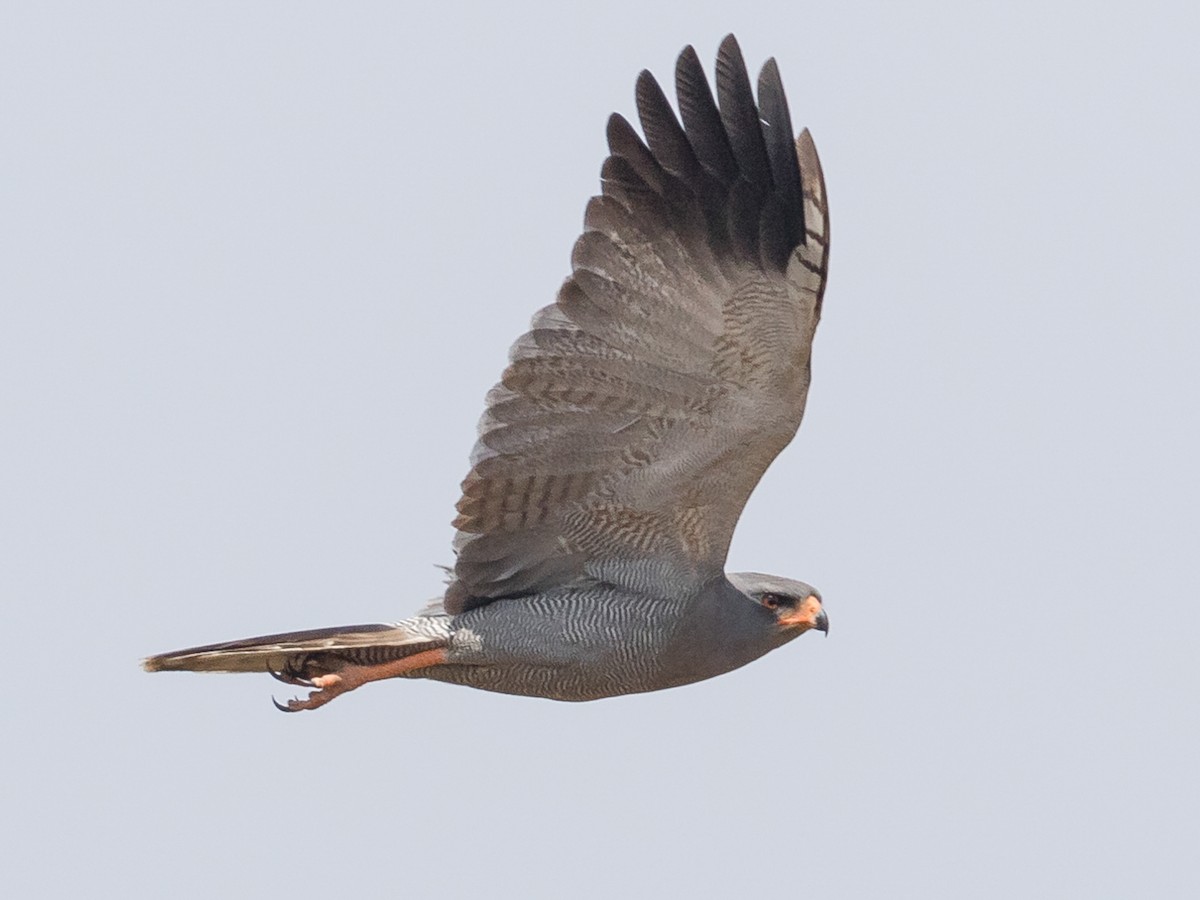
Dark Chanting Goshawk
Dark Chanting Goshawk
The Dark Chanting Goshawk: Nature’s Silent Predator of the African Skies
Introduction to the Dark Chanting Goshawk
The Dark Chanting Goshawk (Melierax metabates) is a majestic bird of prey that glides through the skies of sub-Saharan Africa with an elegance that belies its lethal precision. Known for its haunting vocalizations and striking appearance, this raptor has fascinated ornithologists, wildlife photographers, and birdwatchers alike.
A member of the Accipitridae family, this goshawk is not just a visual marvel but also plays a vital ecological role in controlling populations of small mammals, reptiles, and insects. This article delves deep into the world of the Dark Chanting Goshawk, exploring its habitat, behavior, hunting techniques, and conservation status.
Taxonomy and Classification
- Scientific Name: Melierax metabates
- Family: Accipitridae
- Order: Accipitriformes
- Common Names: Dark Chanting Goshawk, African Goshawk, Chanting Hawk
The genus Melierax is derived from Greek, meaning “melodious hawk,” a nod to the bird’s distinctive calls. The species epithet metabates translates to “walker,” referencing its terrestrial hunting style.
Physical Characteristics
Size and Appearance
The Dark Chanting Goshawk is a medium-to-large raptor, measuring approximately 55–65 cm in length with a wingspan of up to 110 cm. Males and females are similar in appearance, though females are generally larger.
Key Features:
- Slate-grey plumage on the head and upperparts
- Pale grey to white underparts with fine barring
- Bright orange-red legs and cere (the fleshy area above the beak)
- Long tail with broad black and white bands
- Hooked beak designed for tearing flesh
Vocalizations
The bird’s name is inspired by its eerie, melodic calls. These vocalizations are often heard during the breeding season or when the bird is perched high on a tree, scanning its territory. The call is a repetitive, whistling “kleeu-kleeu-kleeu,” which can carry over long distances.
Habitat and Geographic Distribution
The Dark Chanting Goshawk thrives in a variety of habitats across sub-Saharan Africa. It prefers open woodlands, savannas, and semi-arid regions where it can perch and scan for prey.
Regions where it is commonly found:
- West Africa: Senegal, Mali, Ghana
- Central Africa: Chad, Cameroon, Central African Republic
- East Africa: Kenya, Tanzania, Uganda
- Southern Africa: Namibia, Botswana, Zimbabwe
This bird avoids dense tropical rainforests and high-altitude areas, favoring environments where its keen eyesight and swift flight can be used to full advantage.
Diet and Hunting Behavior
A Versatile Predator
The Dark Chanting Goshawk is an opportunistic feeder, consuming a wide range of prey. It is known for its terrestrial hunting technique, often seen walking on the ground in search of food.
Typical prey includes:
- Small mammals (rodents, hares)
- Reptiles (lizards, snakes)
- Birds (especially fledglings and ground-nesting species)
- Large insects (locusts, beetles)
- Amphibians
Hunting Techniques
- Perch and Pounce: The bird scans from a high perch before swooping down.
- Ground Pursuit: It walks steadily on the ground, flushing out prey.
- Aerial Ambush: Occasionally, it captures birds mid-flight.
This goshawk’s hunting prowess is enhanced by its sharp talons, powerful beak, and acute vision, which allows it to detect movement from great distances.
Breeding and Lifecycle
Courtship and Nesting
Breeding season varies by region but generally coincides with the rainy season when food is abundant. Males perform aerial displays and vocalizations to attract mates.
Nesting Facts:
- Nests are built high in trees using sticks and twigs
- Lined with softer materials like leaves and feathers
- Usually 1–3 eggs per clutch
- Incubation lasts around 35 days
- Both parents participate in feeding the chicks
Chick Development
Chicks hatch with white down and are dependent on their parents for several weeks. Fledging occurs at around 6–7 weeks, but juveniles may remain near the nest for months, learning to hunt and fly efficiently.
Role in the Ecosystem
The Dark Chanting Goshawk plays a crucial role in maintaining ecological balance by regulating populations of small animals and insects. Its presence is often an indicator of a healthy savanna ecosystem.
Ecological Contributions:
- Controls rodent populations
- Keeps insect outbreaks in check
- Acts as a scavenger in some instances
- Serves as prey for larger raptors and carnivores
Threats and Conservation Status
Current Status
According to the IUCN Red List, the Dark Chanting Goshawk is classified as “Least Concern.” However, this does not mean it is free from threats.
Major Threats
- Habitat Loss: Agricultural expansion and deforestation
- Pesticides: Bioaccumulation through prey
- Persecution: Sometimes mistaken for a threat to poultry
- Climate Change: Alters prey availability and breeding patterns
Conservation Measures
- Protected under various national wildlife laws
- Found in several protected areas and national parks
- Environmental education programs to reduce persecution
- Research and monitoring to track population trends
Cultural Significance
In many African cultures, birds of prey like the Dark Chanting Goshawk are revered for their strength and grace. Some tribes associate them with omens or spiritual messages, while others see them as symbols of freedom and vigilance.
How to Spot a Dark Chanting Goshawk
If you’re planning a safari or birdwatching trip in Africa, spotting this elusive raptor can be a rewarding experience.
Tips for Identification
- Look for a medium-sized raptor with a grey body and bright orange legs
- Listen for its unique whistling call
- Scan open woodlands and savannas, especially near water sources
- Early morning and late afternoon are prime times for sightings
Recommended Gear
- Binoculars with a wide field of view
- Field guide for African birds
- Camera with a telephoto lens
- Notebook for recording observations
Comparative Analysis with Other Goshawks
| Feature | Dark Chanting Goshawk | Pale Chanting Goshawk | African Goshawk |
|---|---|---|---|
| Plumage | Dark grey | Pale grey | Greenish-grey |
| Size | Medium-Large | Large | Medium |
| Habitat | Savannas, woodlands | Deserts, arid areas | Forests |
| Vocalization | Melodic whistles | Harsh calls | High-pitched screams |
Fascinating Facts
- The Dark Chanting Goshawk can live up to 20 years in the wild.
- It often follows large mammals like elephants to catch prey disturbed by their movement.
- Juveniles have brownish plumage and lack the bright leg coloration of adults.
- It is one of the few raptors known to hunt cooperatively in pairs.
- The bird’s call is often used in African cinema to evoke mystery or tension.
Summary
The Dark Chanting Goshawk is a captivating raptor native to sub-Saharan Africa, known for its melodic calls, striking appearance, and versatile hunting techniques. Thriving in savannas and open woodlands, this bird plays a vital ecological role and holds cultural significance across the continent. Though currently listed as Least Concern, ongoing conservation efforts are essential to ensure its continued survival in the face of habitat loss and environmental change.
Frequently Asked Questions (FAQ)
1. What does the Dark Chanting Goshawk eat?
The Dark Chanting Goshawk feeds on small mammals, reptiles, birds, insects, and amphibians. It uses a variety of hunting techniques, including perching and walking on the ground to locate prey.
2. Where can I find the Dark Chanting Goshawk?
This bird is widely distributed across sub-Saharan Africa, especially in savannas, open woodlands, and semi-arid regions. Countries like Kenya, Botswana, and Ghana are prime locations for sightings.
3. Why is it called the “chanting” goshawk?
The name comes from its distinctive, melodic vocalizations, which are often heard during the breeding season or territorial displays. These calls are unique among raptors and can be heard from great distances.
4. Is the Dark Chanting Goshawk endangered?
No, it is currently listed as Least Concern by the IUCN. However, threats like habitat destruction and pesticide use could impact its population if not addressed.
5. How can I help in the conservation of this species?
You can support conservation by donating to organizations like BirdLife International, promoting sustainable land use, and participating in citizen science projects that monitor bird populations.
Conclusion
The Dark Chanting Goshawk is more than just a bird of prey — it is a symbol of the wild, untamed beauty of Africa’s landscapes. Its graceful flight, haunting calls, and ecological importance make it a species worthy of admiration and protection. Whether you’re a seasoned ornithologist or a curious traveler, encountering this raptor in its natural habitat is an unforgettable experience.
By understanding its behavior, habitat, and role in the ecosystem, we not only enrich our knowledge but also contribute to the preservation of one of Africa’s most enigmatic avian predators.