
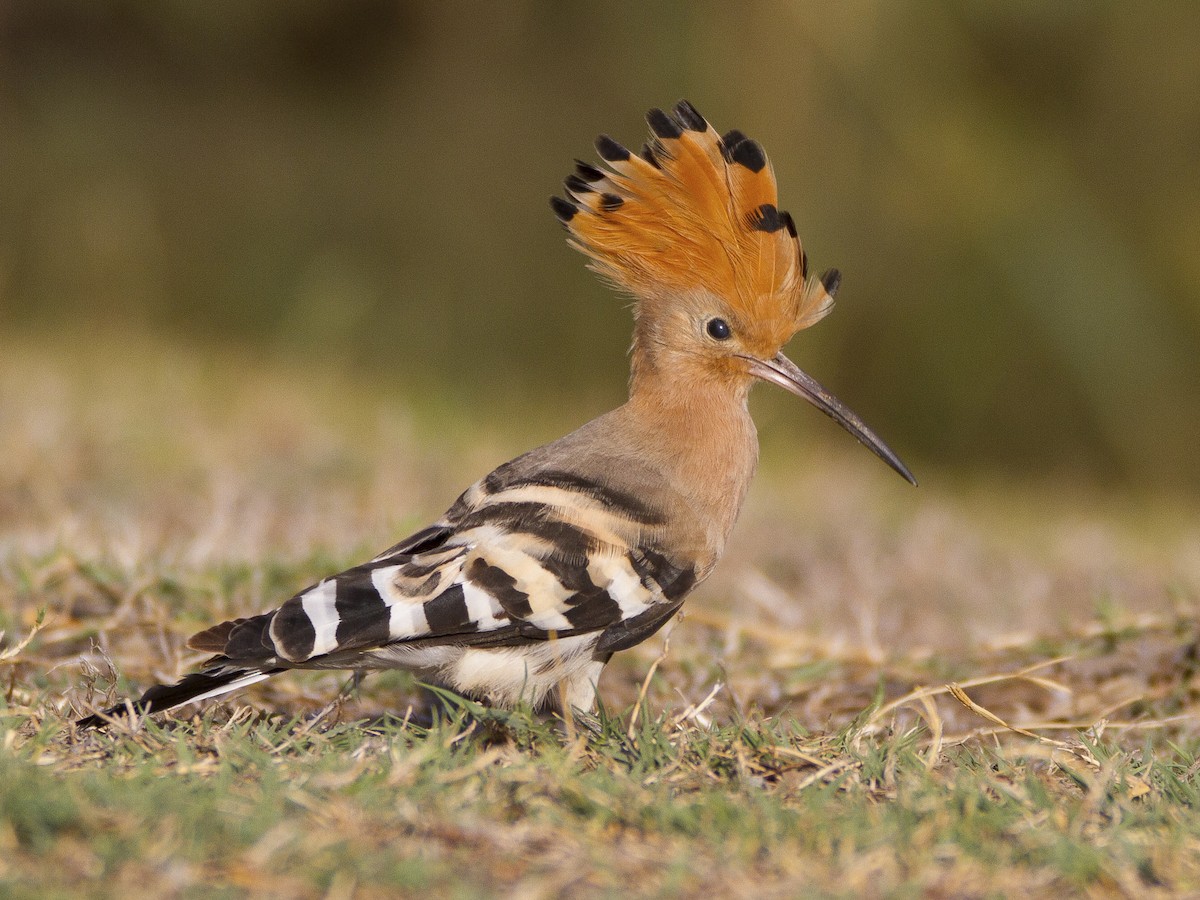
African Hoopoe
African Hoopoe
The African Hoopoe: A Complete Guide to One of Africa’s Most Enigmatic Birds
The African Hoopoe (Upupa africana) is a bird that captivates ornithologists, photographers, and nature lovers alike. With its striking crown of feathers, melodious call, and unique foraging behavior, this bird is more than just a visual marvel—it’s a symbol of Africa’s rich biodiversity. In this comprehensive guide, we delve deep into the world of the African Hoopoe, exploring its habitat, behavior, cultural significance, and conservation status.
Introduction to the African Hoopoe
The African Hoopoe is a medium-sized bird known for its distinctive “crown” of feathers and its rich, chestnut plumage. Native to sub-Saharan Africa, this bird is often found in open woodlands, savannas, and even suburban gardens. Its name is derived from its onomatopoeic call—“hoo-poo,” which is often repeated in a rhythmic pattern.
Unlike its European cousin, the African Hoopoe is a separate species, although both share many similar traits. The bird’s beauty and unique behaviors make it a favorite subject for bird watchers and wildlife photographers.
Taxonomy and Classification
The African Hoopoe belongs to the family Upupidae, which includes only one genus, Upupa. Within this genus, the African Hoopoe is classified as Upupa africana. Although it was once considered a subspecies of the Eurasian Hoopoe, genetic and morphological differences have led to its classification as a distinct species.
Scientific Classification:
- Kingdom: Animalia
- Phylum: Chordata
- Class: Aves
- Order: Bucerotiformes
- Family: Upupidae
- Genus: Upupa
- Species: U. africana
Physical Characteristics
The African Hoopoe is a visually striking bird, easily identifiable by its:
- Crested Head: A fan-like crest of feathers that can be raised or lowered.
- Coloration: Rich chestnut body with black-and-white striped wings and tail.
- Bill: Long, slender, and slightly curved—perfect for probing the ground.
- Size: Measures about 25–29 cm in length with a wingspan of 44–48 cm.
Unique Features
- The crest is often raised during courtship or when the bird is alarmed.
- The black-and-white wing pattern is especially visible in flight, making the bird easy to identify even from a distance.
Habitat and Distribution
The African Hoopoe is widely distributed across sub-Saharan Africa. It thrives in a variety of habitats, including:
- Savannas
- Open Woodlands
- Grasslands
- Agricultural Fields
- Urban Gardens
Geographic Range
- Found in countries such as South Africa, Namibia, Botswana, Zimbabwe, Kenya, and Tanzania.
- Prefers dry, open habitats with sparse tree cover.
This bird is highly adaptable and has even been observed in suburban and rural gardens, where it benefits from human-altered landscapes.
Diet and Foraging Behavior
The African Hoopoe is primarily insectivorous, feeding on a wide range of invertebrates. Its long, curved bill is perfectly adapted for probing into soil, leaf litter, and crevices.
Common Prey Includes:
- Beetles
- Ants
- Termites
- Caterpillars
- Grasshoppers
- Earthworms
Foraging Techniques
- Probing: Uses its bill to dig into the ground for hidden insects.
- Flicking: Tosses leaves aside to uncover prey.
- Hammering: Uses its bill to break open insect shells.
This bird is often seen walking slowly on the ground, head bobbing as it searches for food.
Breeding and Nesting Habits
The African Hoopoe typically breeds during the warmer months, with timing varying by region.
Breeding Behavior
- Monogamous: Forms long-term pair bonds.
- Courtship: Males display their crest and offer food to females.
- Nesting Sites: Often nests in tree cavities, wall crevices, or even abandoned burrows.
Nesting Details
- Clutch Size: 4–7 eggs
- Incubation Period: 15–18 days
- Fledging Time: 26–29 days after hatching
Females incubate the eggs while males provide food. The nest is often lined with feathers and plant material.
Vocalizations and Communication
The African Hoopoe is named after its distinctive call, a soft, repetitive “hoo-poo” sound that can be heard across long distances.
Types of Calls
- Territorial Calls: Used to mark territory and deter rivals.
- Courtship Calls: Softer and more melodic, used during mating season.
- Alarm Calls: Sharp and abrupt, used to warn of predators.
Its vocalizations are an essential part of its behavior and social interactions.
Cultural Significance and Symbolism
Throughout history, the African Hoopoe has held symbolic meaning in various cultures.
In African Folklore
- Considered a symbol of protection and guidance.
- Believed to bring good fortune when seen near homes.
In Other Cultures
- In ancient Egypt, the hoopoe was revered and often depicted in hieroglyphs.
- In Islamic tradition, the hoopoe is mentioned in the Quran as the messenger of King Solomon.
Its unique appearance and behaviors have made it a subject of myth and legend across continents.
Conservation Status and Threats
According to the IUCN Red List, the African Hoopoe is currently listed as a species of Least Concern. However, like many birds, it faces threats from human activity.
Primary Threats
- Habitat Loss: Due to deforestation and urbanization.
- Pesticides: Reduce insect populations, its primary food source.
- Climate Change: Alters breeding cycles and food availability.
Conservation Efforts
- Protected in several national parks and reserves.
- Public awareness campaigns to reduce pesticide use.
- Encouragement of native tree planting to provide nesting sites.
How to Spot the African Hoopoe in the Wild
Birdwatching enthusiasts can increase their chances of spotting this bird by visiting the right habitats and knowing what to look for.
Best Places to Observe:
- Kruger National Park (South Africa)
- Okavango Delta (Botswana)
- Serengeti National Park (Tanzania)
Tips for Spotting:
- Look for birds walking on the ground in open areas.
- Listen for the distinctive “hoo-poo” call.
- Watch for the crest being raised during displays or alarm.
Bring binoculars and a field guide for best results.
Conclusion
The African Hoopoe is more than just a beautiful bird—it’s a symbol of Africa’s ecological richness and cultural depth. From its unique foraging techniques to its melodious calls and symbolic presence in folklore, this bird offers a fascinating glimpse into the natural world. As we continue to explore and protect our environment, the African Hoopoe reminds us of the delicate balance between nature and human development.
FAQ
1. What is the difference between the African Hoopoe and the Eurasian Hoopoe?
While both species share similar features, the African Hoopoe (Upupa africana) is darker in coloration and has a more restricted range in sub-Saharan Africa. The Eurasian Hoopoe is found across Europe and Asia.
2. Is the African Hoopoe endangered?
No, it is currently listed as a species of Least Concern by the IUCN. However, habitat destruction and pesticide use are potential threats.
3. What does the African Hoopoe eat?
Its diet consists mainly of insects such as beetles, ants, termites, and caterpillars.
4. Where can I see the African Hoopoe?
You can spot it in open woodlands, savannas, and gardens across countries like South Africa, Botswana, and Kenya.
5. Why is the African Hoopoe important?
Beyond its ecological role in controlling insect populations, the African Hoopoe holds cultural and symbolic importance in various African and Middle Eastern traditions.
Summary
The African Hoopoe is a remarkable bird species native to sub-Saharan Africa, known for its vivid plumage, iconic crest, and distinctive call. This guide explores its taxonomy, behavior, diet, habitat, and cultural relevance, while also addressing conservation efforts and tips for birdwatching. With its rich symbolism and ecological importance, the African Hoopoe stands as a testament to Africa’s vibrant wildlife.