
Akagera National Park Guide
Akagera National Park Guide
Ultimate Guide to Akagera National Park: Wildlife, Safaris & Travel Tips
Akagera National Park, nestled in the eastern part of Rwanda, is a rare gem in East Africa. This biodiverse haven offers a unique blend of savannah, woodland, wetland, and a labyrinth of lakes, making it a must-visit destination for wildlife enthusiasts and eco-travelers alike. In this comprehensive guide, we’ll explore everything you need to know about Akagera—from its history and wildlife to the best safari experiences and travel tips.
Introduction to Akagera National Park
Located along Rwanda’s eastern border with Tanzania, Akagera National Park spans over 1,120 square kilometers. It’s the only protected savannah ecosystem in Rwanda and is home to the famous Big Five: lions, leopards, elephants, buffaloes, and rhinos.
The park is named after the Akagera River, which flows along its eastern boundary and feeds into a series of lakes, including Lake Ihema—the second-largest lake in Rwanda. These water bodies support a rich diversity of aquatic life and bird species, making Akagera a paradise for bird watchers and nature lovers.
History and Conservation Efforts
Established in 1934, Akagera was once one of the most diverse national parks in Africa. However, the aftermath of the 1994 genocide led to a decline in wildlife due to poaching and human settlement. In 2010, a joint management agreement between the Rwanda Development Board and African Parks marked a turning point.
Key Conservation Milestones:
- 2015: Reintroduction of lions after a 15-year absence.
- 2017: Reintroduction of black rhinos from South Africa.
- 2021: Arrival of white rhinos from Namibia, boosting genetic diversity.
These efforts have transformed Akagera into one of Africa’s most successful conservation stories, attracting eco-tourists and researchers from around the globe.
Wildlife in Akagera
Akagera is a biodiversity hotspot, home to over 8,000 large animals and 500+ bird species. The park’s varied habitats support a wide range of fauna, from savannah grazers to elusive predators.
Mammals You Can Spot:
- Big Five: Lions, leopards, elephants, buffaloes, and rhinos.
- Other Species: Giraffes, zebras, hippos, crocodiles, hyenas, antelopes, and warthogs.
Birdlife Highlights:
- Rare Species: Shoebill stork, papyrus gonolek, and African fish eagle.
- Migratory Birds: Seasonal visitors from Europe and Asia.
For a more immersive experience, consider a guided birding safari with expert ornithologists.
Top Safari Experiences
Akagera offers a variety of safari experiences tailored to different interests and budgets. Whether you’re a first-time traveler or a seasoned explorer, the park has something for everyone.
1. Classic Game Drives
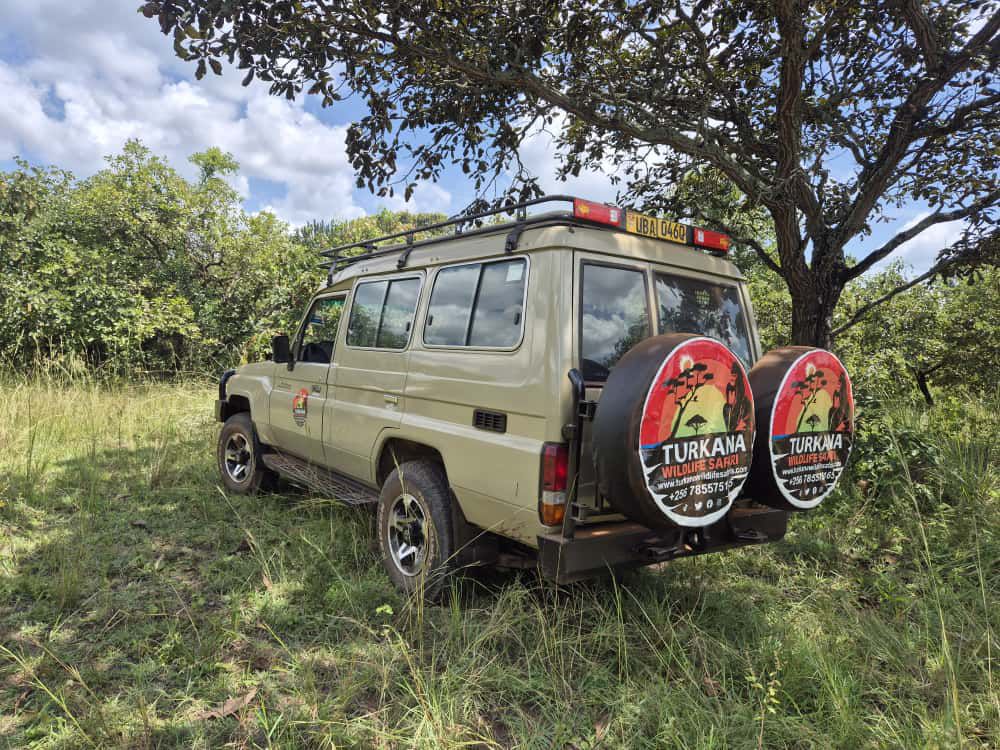
Explore the park’s vast savannahs in a 4×4 vehicle with a knowledgeable guide. Morning and evening drives offer the best chances to spot predators and grazers in action.
2. Boat Safaris on Lake Ihema
Cruise through the calm waters of Lake Ihema to see hippos, crocodiles, and a plethora of water birds. This is a must-do for photographers and nature lovers.
3. Night Safaris
Experience the thrill of the African bush after dark. Spot nocturnal creatures like bush babies, owls, and possibly leopards.
4. Walking Safaris
Led by armed rangers, walking safaris allow you to connect with nature on foot. Learn about animal tracks, medicinal plants, and the park’s ecosystem.
5. Community and Cultural Tours
Visit nearby communities to understand the symbiotic relationship between conservation and local livelihoods. These tours support sustainable tourism and cultural preservation.
For tailored safari packages, check out Turkana Wildlife Safaris.
Best Time to Visit Akagera
Akagera is a year-round destination, but your experience may vary depending on the season.
Dry Season (June to September)
- Best time for wildlife viewing
- Animals congregate around water sources
- Roads are more accessible
Wet Season (October to May)
- Lush landscapes and fewer tourists
- Ideal for bird watching
- Some roads may be muddy
How to Get There
Akagera is easily accessible from Kigali, Rwanda’s capital.
By Road:
- Distance: ~120 km (2.5–3 hours)
- Route: Kigali → Rwamagana → Kayonza → Akagera Park Gate
By Air:
- Charter Flights: Available through Akagera Aviation
- Helicopter Transfers: Scenic and time-saving
Most Rwanda safari packages include transportation to and from the park.
Where to Stay
Accommodation options in and around Akagera cater to all preferences—from luxury lodges to budget campsites.
Luxury Lodges:
- Magashi Camp: Exclusive tented camp overlooking Lake Rwanyakazinga
- Ruzizi Tented Lodge: Eco-friendly lodge with lake views
Mid-Range Options:
- Akagera Game Lodge: Comfortable rooms and a swimming pool
- Karenge Bush Camp: Seasonal camp with rustic charm
Budget Stays:
- Campsites: Managed by the park, ideal for adventurous travelers
- Guesthouses: Available in nearby towns like Kayonza
Book your stay through Turkana Wildlife Safaris for the best deals and packages.
Travel Tips and Essentials
To ensure a smooth and enjoyable trip, keep these tips in mind:
What to Pack:
- Lightweight, neutral-colored clothing
- Binoculars and camera
- Sunscreen and insect repellent
- Reusable water bottle
- Travel insurance
Health and Safety:
- Vaccinations: Yellow fever, typhoid, hepatitis A & B
- Malaria: Take prophylactics and use mosquito nets
- Park Rules: Stay in vehicles during game drives, no feeding animals
Entry Requirements:
- Visa: Most nationalities can get a visa on arrival
- Park Fees: Payable at the gate or online via Rwanda Development Board
FAQs
1. Is Akagera National Park safe for tourists?
Yes, Akagera is one of the safest parks in Africa. It is well-managed by African Parks and the Rwanda government. Rangers patrol the park regularly, and all activities are conducted under strict safety protocols.
2. Can I see the Big Five in Akagera?
Absolutely. Akagera is home to all members of the Big Five. Lions and rhinos were successfully reintroduced, and sightings are increasingly common during guided game drives.
3. How many days should I spend in Akagera?
A 2–3 day trip is ideal for exploring the park’s main attractions. For a more in-depth experience, consider a 4–5 day itinerary including cultural tours and boat safaris.
4. Are there family-friendly activities in Akagera?
Yes. The park offers family-friendly lodges, educational tours, and safe game drives suitable for children. Some lodges even have kid-focused nature walks.
5. What makes Akagera different from other African parks?
Akagera’s unique blend of savannah, wetlands, and lakes sets it apart. Unlike many parks in East Africa, it offers a rare opportunity to see aquatic and terrestrial wildlife in one location. Its successful conservation story also makes it a model for sustainable tourism.
Conclusion
Akagera National Park is a testament to Rwanda’s commitment to conservation and sustainable tourism. Whether you’re tracking lions on a game drive, birdwatching by Lake Ihema, or enjoying a sunset boat cruise, Akagera promises an unforgettable adventure.
For expertly curated safari packages, accommodations, and travel arrangements, visit Turkana Wildlife Safaris. Their local expertise ensures you get the most out of your Rwandan wildlife experience.