
Things to Do in Kalinzu Forest
Things to Do in Kalinzu Forest
Ultimate Guide to Things to Do in Kalinzu Forest, Uganda
Nestled in the western region of Uganda, Kalinzu Forest is a hidden gem that offers an unforgettable blend of biodiversity, adventure, and cultural richness. Located near the renowned Queen Elizabeth National Park, this tropical forest reserve is a haven for nature lovers, primate enthusiasts, and eco-tourists seeking an off-the-beaten-path experience.
In this comprehensive guide, we’ll explore the top things to do in Kalinzu Forest, how to plan your visit, and why this destination should be on every adventurer’s bucket list. Whether you’re interested in chimpanzee tracking, birdwatching, hiking, or immersing yourself in the local culture, Kalinzu Forest has something extraordinary to offer.
🌿 Where is Kalinzu Forest Located?
Kalinzu Forest Reserve lies in the southwestern part of Uganda, in Bushenyi District, adjacent to the Queen Elizabeth National Park. The forest covers an area of approximately 147 square kilometers and is managed by the National Forestry Authority (NFA).
Its proximity to major tourist attractions and its rich ecological diversity make it a must-visit destination for travelers exploring western Uganda.
🌟 Top Things to Do in Kalinzu Forest
1. 🐒 Chimpanzee Tracking
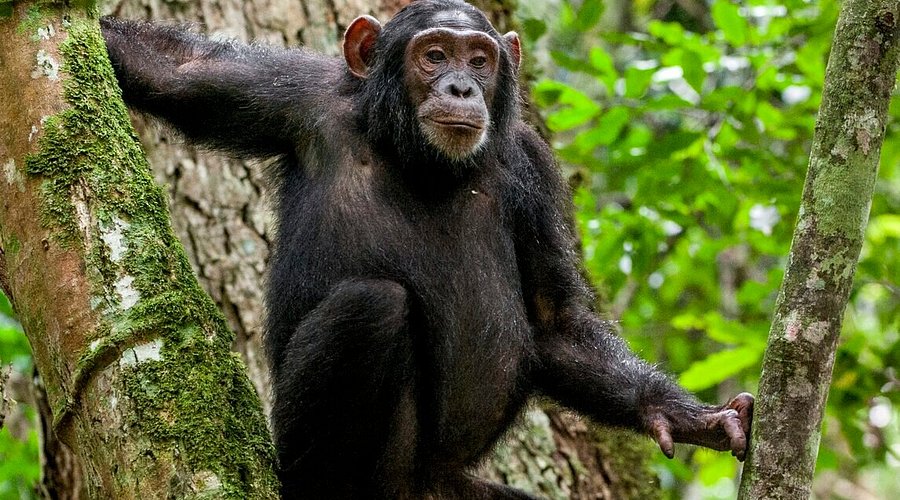
One of the main highlights of Kalinzu Forest is its thriving population of wild chimpanzees. With over 300 individuals, the forest is one of the best places in Uganda for chimpanzee trekking.
What to Expect:
- Guided treks led by experienced rangers
- A 90% success rate in spotting chimpanzees
- Close encounters with these intelligent primates in their natural habitat
- Learning about chimp behavior, social structures, and conservation efforts
Chimpanzee tracking typically starts early in the morning and lasts 2–4 hours depending on the location of the troop. Permits are more affordable here than in Kibale Forest, making Kalinzu a budget-friendly option.
2. 🦜 Bird Watching
Kalinzu Forest is a paradise for bird lovers, boasting over 378 recorded species. The forest’s diverse ecosystems—from dense canopy to open glades—provide habitats for a wide variety of birds.
Common Species Include:
- Great Blue Turaco
- Black and White Casqued Hornbill
- Cuckoos
- Sunbirds
- African Emerald Cuckoo
Bring your binoculars and a field guide for an immersive birding experience. The early morning hours are ideal for spotting rare and colorful species.
3. 🥾 Nature Walks and Hiking Trails
The forest features several well-maintained trails that cater to different fitness levels and interests. Guided nature walks offer a chance to explore the rich flora, fauna, and scenic landscapes of the reserve.
Popular Trails:
- Valley Trail – Offers panoramic views of the forest canopy and Queen Elizabeth National Park.
- Waterfall Trail – Leads to a stunning hidden waterfall, perfect for photography and relaxation.
- Palm Trail – Ideal for spotting medicinal plants and learning about their traditional uses.
- Ridge Trail – A more challenging hike with rewarding views of the Rwenzori Mountains.
Each trail reveals a different facet of Kalinzu’s ecological and cultural richness.
4. 🌺 Discover Medicinal Plants and Forest Ecology
Kalinzu Forest is home to over 400 tree species, many of which are used in traditional medicine by local communities. Guided walks often include insights into the forest’s medicinal plants and their uses in treating ailments such as malaria, stomach issues, and skin conditions.
Educational Highlights:
- Learn about the forest’s role in local health practices
- Discover the ecological importance of indigenous flora
- Understand the symbiotic relationships between plants and wildlife
This activity is perfect for eco-conscious travelers and those interested in ethnobotany.
5. 🧭 Cultural Encounters with the Local Communities
The communities surrounding Kalinzu Forest, including the Bakiga and Banyankole people, offer rich cultural experiences. Visitors can engage in community-based tourism activities that provide insight into traditional lifestyles, music, dance, and cuisine.
Cultural Activities Include:
- Traditional dance performances
- Local food tasting
- Storytelling sessions
- Craft making and souvenir shopping
These experiences not only enrich your visit but also support local livelihoods and conservation efforts.
🐾 Wildlife Viewing Beyond Chimpanzees
While chimpanzees are the stars of the show, Kalinzu Forest is also home to other primates and wildlife species.
Other Animals You May Encounter:
- Olive baboons
- L’Hoest’s monkeys
- Vervet monkeys
- Blue monkeys
- Bush babies (nocturnal walks)
Although large mammals are rare, the forest’s biodiversity ensures that every walk reveals new surprises.
📸 Photography Opportunities
Kalinzu Forest offers stunning backdrops for both amateur and professional photographers. From misty canopies and colorful birds to playful primates and cascading waterfalls, the forest is a visual feast.
Photography Tips:
- Use a telephoto lens for wildlife
- Early morning light is best for bird photography
- Bring a waterproof bag for your gear
- Be patient and quiet to capture candid animal behavior
🗺️ How to Get to Kalinzu Forest
Kalinzu Forest is accessible by road from major towns and cities in Uganda.
From Kampala:
- Distance: ~375 km
- Travel Time: 6–7 hours by car
From Queen Elizabeth National Park:
- Distance: ~10 km from the Ishasha Sector
- Travel Time: 15–30 minutes
Transportation Options:
- Private car hire
- Tour packages from operators like Turkana Wildlife Safaris
- Public transport (less recommended due to limited access)
🛌 Where to Stay Near Kalinzu Forest
While there are no lodges inside the forest itself, several accommodations are available nearby.
Recommended Lodges:
These lodges offer comfortable amenities, guided excursions, and proximity to both Kalinzu Forest and Queen Elizabeth National Park.
🧳 What to Pack for Your Kalinzu Forest Adventure
To make the most of your experience, come prepared with the right gear.
Packing Checklist:
- Lightweight hiking boots
- Long-sleeved shirts and trousers
- Insect repellent
- Rain jacket
- Binoculars
- Camera with extra batteries
- Reusable water bottle
- Sunscreen and hat
🌍 Conservation and Responsible Tourism
Kalinzu Forest plays a critical role in Uganda’s biodiversity conservation. By visiting, you contribute to the preservation of this unique ecosystem and support local communities.
Responsible Travel Tips:
- Follow the Leave No Trace principles
- Respect wildlife and maintain a safe distance
- Avoid single-use plastics
- Support local guides and businesses
- Participate in community tourism initiatives
📅 Best Time to Visit Kalinzu Forest
Kalinzu Forest can be visited year-round, but the dry seasons offer the best conditions for trekking and wildlife viewing.
Dry Seasons:
- December to February
- June to August
Rainy Seasons:
- March to May
- September to November
During the rainy season, trails can be slippery, but the forest is lush and vibrant, offering excellent photography opportunities.
📌 Sample Itinerary for Kalinzu Forest Visit
Day 1: Arrival and Nature Walk
- Arrive at your lodge near Kalinzu
- Afternoon guided walk on the Palm Trail
- Sunset photography and relaxation
Day 2: Chimpanzee Tracking and Cultural Tour
- Early morning chimpanzee trek
- Lunch at the lodge
- Afternoon visit to a local community
- Traditional dance performance in the evening
Day 3: Birdwatching and Departure
- Early birding walk with a guide
- Visit the waterfall trail
- Return to Kampala or continue to Queen Elizabeth National Park
🧠 Frequently Asked Questions (FAQ)
1. Is a permit required for chimpanzee tracking in Kalinzu Forest?
Yes, a permit is required. It can be obtained through the National Forestry Authority or through tour operators like Turkana Wildlife Safaris.
2. How difficult is the chimpanzee trek?
The trek is moderately challenging. It involves hiking through uneven terrain, so a reasonable level of fitness is recommended.
3. Can I visit Kalinzu Forest on a day trip?
Yes, day trips are possible, especially if you’re staying near Queen Elizabeth National Park. However, staying overnight allows for a more immersive experience.
4. Are there any dangerous animals in Kalinzu Forest?
The forest is generally safe. While it is home to wild animals, encounters with dangerous species are rare. Always follow your guide’s instructions.
5. What is the best way to book a tour to Kalinzu Forest?
The easiest way is through a reputable tour operator like Turkana Wildlife Safaris, which offers customized packages including transport, permits, and accommodation.
Final Thoughts
Kalinzu Forest is more than just a destination—it’s an experience that connects you with nature, wildlife, and culture in a profound way. Whether you’re tracking chimpanzees, listening to the songs of exotic birds, or learning from local communities, every moment in Kalinzu is a step closer to understanding the wild heart of Uganda.
So pack your bags, lace up your boots, and let Turkana Wildlife Safaris guide you through the wonders of Kalinzu Forest.