
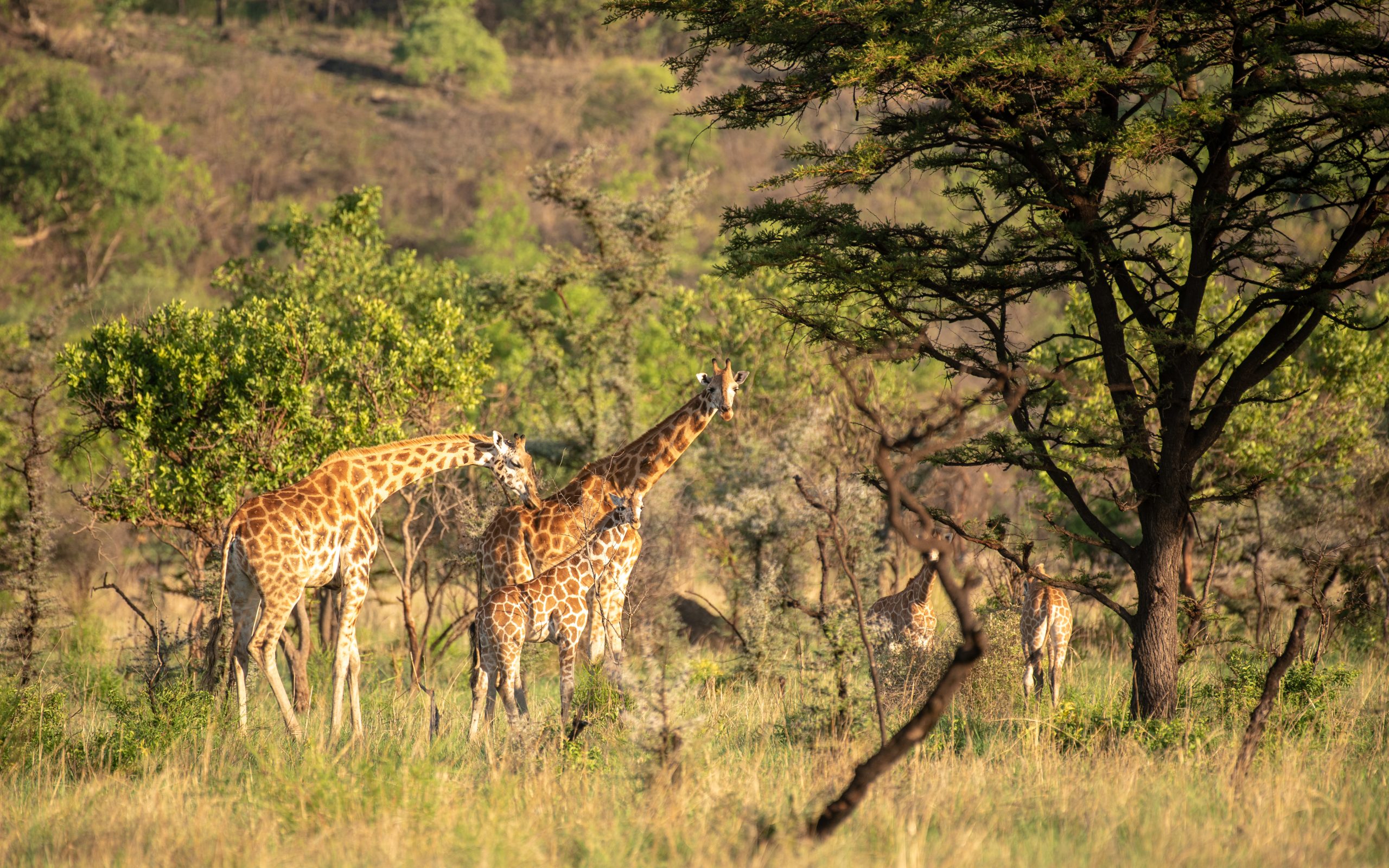
Pian Upe Game Reserve
Pian Upe Game Reserve
Discovering Pian Upe Game Reserve: Uganda’s Untamed Wilderness
Introduction
Nestled in the northeastern corridor of Uganda, the Pian Upe Game Reserve is a hidden gem that remains largely untouched by mass tourism. Spanning over 2,788 square kilometers, it is the second-largest protected area in Uganda after Murchison Falls National Park. This vast expanse of savannah, rocky outcrops, and semi-arid plains offers a unique blend of biodiversity, cultural heritage, and raw natural beauty.
In this comprehensive guide, we delve deep into the wonders of Pian Upe, exploring its rich wildlife, captivating landscapes, and the vital role it plays in Uganda’s conservation efforts. Whether you’re an avid adventurer, a wildlife enthusiast, or a conservationist, this article will provide everything you need to know about this extraordinary reserve.
The Geographic and Ecological Significance of Pian Upe
Location and Accessibility
Pian Upe lies in the Karamoja sub-region, bordered by the districts of Nakapiripirit, Amudat, and Kumi. It is approximately 8 hours by road from Kampala, making it accessible for both local and international tourists. The reserve serves as a critical corridor connecting Mount Elgon National Park to the north and Kidepo Valley National Park to the northeast.
Climate and Vegetation
The reserve is characterized by a semi-arid climate with two distinct seasons: a dry season from November to March and a rainy season from April to October. The vegetation is predominantly savannah grassland interspersed with acacia woodlands and rocky outcrops. This diverse habitat supports a wide range of flora and fauna, some of which are endemic to the region.
Wildlife of Pian Upe Game Reserve
Mammals You Can Spot
Pian Upe is a sanctuary for several rare and endangered species. Among the most notable are:
- Cheetahs – One of the few places in Uganda where these elusive predators still roam.
- Roan Antelope – A rare antelope species with majestic curved horns.
- Elands – The largest antelope species in Africa.
- Zebras, buffaloes, and Uganda kobs – Commonly seen grazing in the open plains.
Other mammals include:
- Leopards
- Hyenas
- Jackals
- Oribis
- Hartebeests
Birdlife Diversity
Pian Upe is a birdwatcher’s paradise, boasting over 240 recorded bird species. Some of the most sought-after include:
- Ostriches – The largest birds on Earth, rarely found in other parts of Uganda.
- Secretary birds
- Karamoja apalis
- Jackson’s hornbill
- White-headed buffalo weaver
Birding safaris in Pian Upe offer a chance to spot both endemic and migratory species, making it a year-round destination for ornithologists.
Cultural Heritage and Local Communities
The Pian and Upe Tribes
The reserve derives its name from the two dominant ethnic groups in the area: the Pian (a sub-group of the Karimojong) and the Upe (a sub-group of the Pokot). These pastoralist communities have lived in harmony with nature for centuries, and their traditional practices contribute to the conservation of the ecosystem.
Cultural Experiences
Visitors can engage in cultural tours that include:
- Traditional dances and music
- Village walks and storytelling
- Craft-making demonstrations
- Learning about indigenous conservation practices
These experiences not only enrich your visit but also support community-based tourism initiatives.
Activities to Do in Pian Upe
Game Drives
Guided game drives offer the best opportunity to explore the vast terrain and encounter wildlife in their natural habitat. Early morning and late afternoon drives are particularly rewarding.
Hiking and Nature Walks
The reserve’s rugged landscape is perfect for hiking enthusiasts. Popular trails include:
- Napak Hills
- Mount Kadam
- Kalege Rock
These hikes offer panoramic views of the reserve and opportunities to spot wildlife on foot.
Bird Watching
With a pair of binoculars and a knowledgeable guide, birding in Pian Upe becomes an unforgettable experience. The best times are during the early morning and late evening hours.
Camping and Picnicking
For those who love the outdoors, Pian Upe offers designated camping sites where you can sleep under the stars, surrounded by the sounds of the wild.
Conservation Efforts and Challenges
Uganda Wildlife Authority’s Role
The Uganda Wildlife Authority (UWA) manages Pian Upe and has implemented several conservation strategies, including:
- Anti-poaching patrols
- Community sensitization programs
- Wildlife monitoring and research
Threats to the Reserve
Despite its protected status, Pian Upe faces several challenges:
- Poaching – Especially of antelopes and small mammals
- Encroachment – From agricultural expansion and settlement
- Climate change – Affecting water sources and vegetation
Collaborative efforts between the government, NGOs, and local communities are crucial to ensuring the long-term sustainability of the reserve.
Accommodation Options Near Pian Upe
While the reserve itself has limited accommodation, nearby towns offer several options:
Lodges and Camps
- Kadam Mountain Lodge – Offers stunning views and proximity to the reserve.
- Sipi River Lodge – Located near Mount Elgon, ideal for combining trips.
- Karamoja Safari Camp – A cultural and eco-friendly option.
Budget Options
- Community-run guesthouses
- Camping grounds with basic amenities
Booking in advance is recommended, especially during peak seasons.
Best Time to Visit Pian Upe
The dry season (November to March) is ideal for wildlife viewing as animals congregate around water sources. However, the reserve is accessible year-round, and each season offers unique experiences:
- Dry Season – Easier wildlife spotting, better road conditions
- Wet Season – Lush landscapes, excellent birding opportunities
How to Get There
By Road
From Kampala, take the Jinja–Mbale–Soroti route, then proceed to Nakapiripirit. A 4×4 vehicle is recommended due to rough terrain, especially during the rainy season.
By Air
Chartered flights can be arranged to nearby airstrips such as Moroto or Soroti, followed by a road transfer to the reserve.
Travel Tips and Safety
- Always travel with a local guide or ranger
- Carry enough water and snacks
- Wear light, breathable clothing and sturdy shoes
- Protect yourself from the sun with hats and sunscreen
- Respect local customs and wildlife
Why Pian Upe Should Be on Your Travel Bucket List
Pian Upe is not just a game reserve; it is a journey into the heart of Uganda’s wild and cultural soul. Its untouched landscapes, rare wildlife, and authentic cultural encounters offer a safari experience unlike any other in East Africa.
Whether you’re seeking solitude, adventure, or a deeper connection with nature, Pian Upe delivers on all fronts. As Uganda continues to rise as a top safari destination, now is the perfect time to explore this hidden treasure before the crowds arrive.
Frequently Asked Questions (FAQ)
1. What animals can I see in Pian Upe Game Reserve?
You can spot a variety of animals including cheetahs, roan antelopes, zebras, buffaloes, and leopards.
2. Is Pian Upe safe for tourists?
Yes, it is safe. The Uganda Wildlife Authority ensures the safety of visitors through regular patrols and trained rangers. However, always follow the guidance of your guide.
3. Do I need a permit to visit Pian Upe?
No special permit is required, but you must pay a conservation fee at the entrance. Rates vary for international and local tourists. Check the UWA website for updated fees.
4. What is the best time for bird watching in Pian Upe?
The best time is during the wet season (April to October) when migratory birds are present. However, birding is excellent year-round due to the reserve’s rich avifauna.
5. Can I combine a visit to Pian Upe with other attractions?
Absolutely. Pian Upe is close to Mount Elgon National Park, Sipi Falls, and Kidepo Valley National Park, making it ideal for multi-destination safaris.
Final Thoughts
Pian Upe Game Reserve is a testament to Uganda’s ecological richness and cultural depth. Its remote charm, coupled with a growing focus on sustainable tourism, makes it a must-visit for those seeking authentic and off-the-beaten-path adventures.
As the world looks for more meaningful travel experiences, Pian Upe stands out as a sanctuary where nature and culture coexist in harmony. Don’t just read about it—pack your bags and experience the magic of Pian Upe for yourself.
📌 Quick Recap: Why Visit Pian Upe?
- 🐾 Rare wildlife like cheetahs and roan antelopes
- 🦜 Over 240 bird species
- 🏞️ Stunning landscapes and hiking trails
- 🛖 Authentic cultural experiences
- 🌍 Eco-tourism and conservation focus