
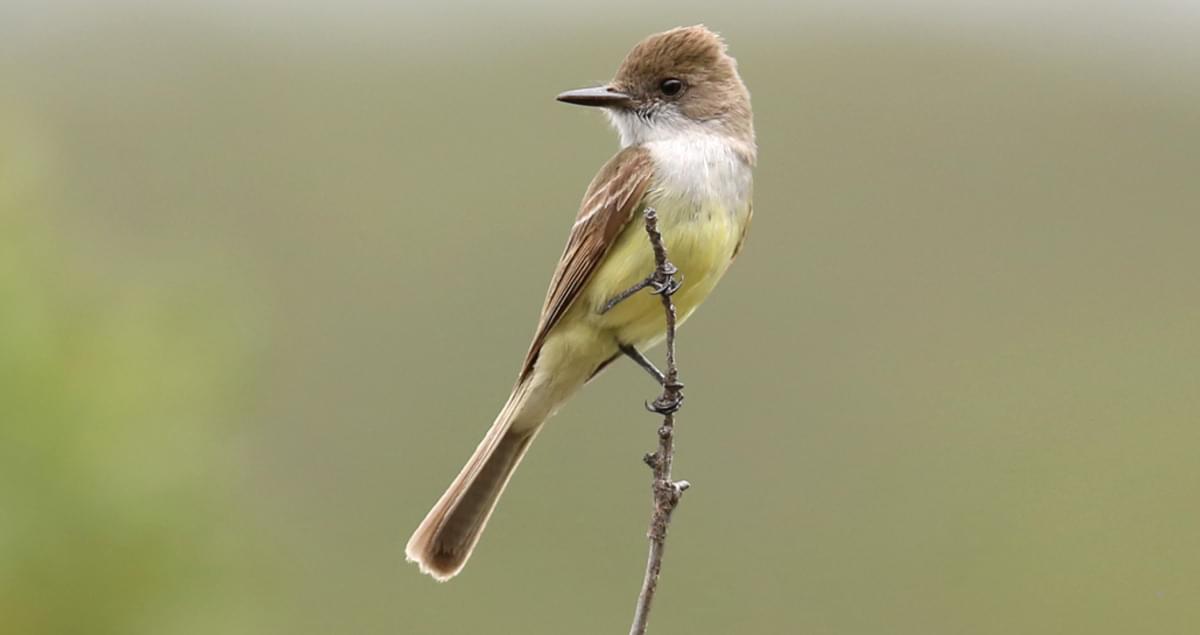
Dusky-crested Flycatcher
Dusky-crested Flycatcher
The Dusky-crested Flycatcher: A Complete Guide to This Elusive Forest Jewel
Introduction
The Dusky-crested Flycatcher (Myiarchus phaeocephalus) is a lesser-known yet captivating member of the tyrant flycatcher family. Found in the dense tropical forests of Central and South America, this bird is a master of camouflage, often heard before it is seen. In this comprehensive guide, we’ll delve into the habitat, behavior, diet, vocalizations, and conservation status of this fascinating avian species. Whether you’re a birdwatching enthusiast, a conservationist, or simply curious about the natural world.
Taxonomy and Classification
The Dusky-crested Flycatcher belongs to the family Tyrannidae, a diverse group of passerine birds known as tyrant flycatchers. This family is the largest in the Americas and includes over 400 species.
- Scientific Name: Myiarchus phaeocephalus
- Genus: Myiarchus
- Order: Passeriformes
- Family: Tyrannidae
The genus Myiarchus is known for its cryptic plumage and similar-looking species, making identification a challenge for even experienced ornithologists.
Physical Characteristics
The Dusky-crested Flycatcher is a medium-sized bird with subtle but distinctive features that set it apart from its relatives.
Key Features:
- Size: Approximately 18–20 cm in length
- Plumage: Olive-brown upperparts with a dusky gray crest
- Underparts: Pale yellow belly and grayish chest
- Bill: Broad and slightly hooked, ideal for catching insects mid-air
- Eyes: Dark with a keen, alert expression
This bird’s muted coloration helps it blend seamlessly into the forest canopy, making it a master of stealth.
Habitat and Distribution
The Dusky-crested Flycatcher thrives in tropical and subtropical environments, particularly in:
- Lowland rainforests
- Moist montane forests
- Secondary growth and edge habitats
Geographic Range:
- Countries: Ecuador, Colombia, Peru, and parts of Panama
- Elevation: Typically found from sea level up to 1,200 meters
Its preference for dense foliage and high canopies makes it a challenge to observe, but its vocalizations often give away its presence.
Behavior and Social Structure
This species is typically solitary or found in pairs, especially during the breeding season. It is a territorial bird, often defending its feeding and nesting grounds with vigor.
Notable Behaviors:
- Sallying: A foraging technique where the bird darts out from a perch to catch flying insects
- Tail Flicking: A common behavior used for communication or balance
- Perch-and-Wait Strategy: Prefers to remain still and observe before making a move
The Dusky-crested Flycatcher is diurnal, most active during the early morning and late afternoon.
Diet and Feeding Habits
As an insectivore, the Dusky-crested Flycatcher primarily feeds on:
- Flying insects (beetles, moths, flies)
- Caterpillars and larvae
- Occasional small fruits and berries
Foraging Techniques:
- Aerial Hawking: Capturing insects mid-flight
- Gleaning: Picking insects off foliage
- Hovering: Briefly hovering to snatch prey from leaves
Its diet plays a crucial role in controlling insect populations in its ecosystem.
Breeding and Nesting
Breeding typically occurs during the rainy season when food is abundant. The Dusky-crested Flycatcher is a cavity nester, often utilizing:
- Natural tree holes
- Abandoned woodpecker nests
- Occasionally artificial nest boxes
Reproductive Details:
- Clutch Size: 2–4 eggs
- Egg Appearance: Creamy white with reddish-brown speckles
- Incubation Period: Approximately 14–16 days
- Parental Care: Both parents participate in feeding and protecting the young
The nesting period is a vulnerable time, and the birds are particularly secretive during this phase.
Vocalizations and Communication
One of the most effective ways to detect a Dusky-crested Flycatcher is by its vocalizations. It produces a variety of sharp, whistled notes and trills.
Common Calls:
- “Wheeer!” – A descending whistle
- “Chup-chup” – A soft, repetitive call
- Alarm Calls – Harsh, chattering sounds when disturbed
These calls serve multiple purposes, including territory defense, mate attraction, and predator warnings.
Conservation Status
According to the IUCN Red List, the Dusky-crested Flycatcher is currently listed as Least Concern, but its population is believed to be decreasing due to habitat loss.
Threats:
- Deforestation: Logging and agricultural expansion
- Climate Change: Altered rainfall patterns affecting breeding cycles
- Fragmentation: Isolated populations leading to reduced genetic diversity
Conservation Efforts:
- Protection of primary forests
- Creation of ecological corridors
- Community-based conservation programs
Sustainable ecotourism can also play a role in preserving the bird’s natural habitat.
How to Spot the Dusky-crested Flycatcher
Birdwatchers hoping to observe this elusive species should follow these tips:
Best Practices:
- Time of Day: Early morning is optimal
- Equipment: Use binoculars and a directional microphone
- Location: Focus on forest edges and mid-canopy layers
- Listening: Learn to recognize its distinctive calls
Birding Hotspots:
- Yasuni National Park, Ecuador
- Tambopata National Reserve, Peru
- Darien National Park, Panama
Patience and a keen ear are essential for spotting this bird in its natural environment.
Frequently Asked Questions
1. What makes the Dusky-crested Flycatcher different from other flycatchers?
The Dusky-crested Flycatcher stands out due to its dusky gray crest, subtle plumage, and unique vocalizations. It also prefers dense forest habitats, unlike some of its more adaptable relatives.
2. Is the Dusky-crested Flycatcher endangered?
Currently, it is classified as Least Concern by the IUCN, but ongoing habitat destruction poses a long-term threat.
3. What does the Dusky-crested Flycatcher eat?
Its diet consists mainly of insects such as beetles and moths, but it occasionally consumes small fruits and berries.
4. Where can I see the Dusky-crested Flycatcher?
Look for it in tropical forests of Ecuador, Colombia, Peru, and Panama, particularly in protected reserves like Yasuni or Tambopata.
5. How can I help conserve this species?
Support organizations that protect tropical forests, participate in citizen science projects, and promote sustainable ecotourism in biodiverse regions.
Conclusion
The Dusky-crested Flycatcher is a symbol of the hidden wonders of tropical forests. Though not as flamboyant as some of its avian counterparts, its subtle beauty, intriguing behavior, and ecological importance make it a species worthy of admiration and protection. As deforestation and climate change continue to threaten its habitat, understanding and conserving this elusive bird becomes more crucial than ever.
By learning more about the Dusky-crested Flycatcher, we not only enrich our knowledge of the natural world but also contribute to the broader effort of biodiversity preservation. Whether you’re a seasoned ornithologist or a curious nature lover, this bird offers a fascinating glimpse into the complexity and elegance of forest ecosystems.