
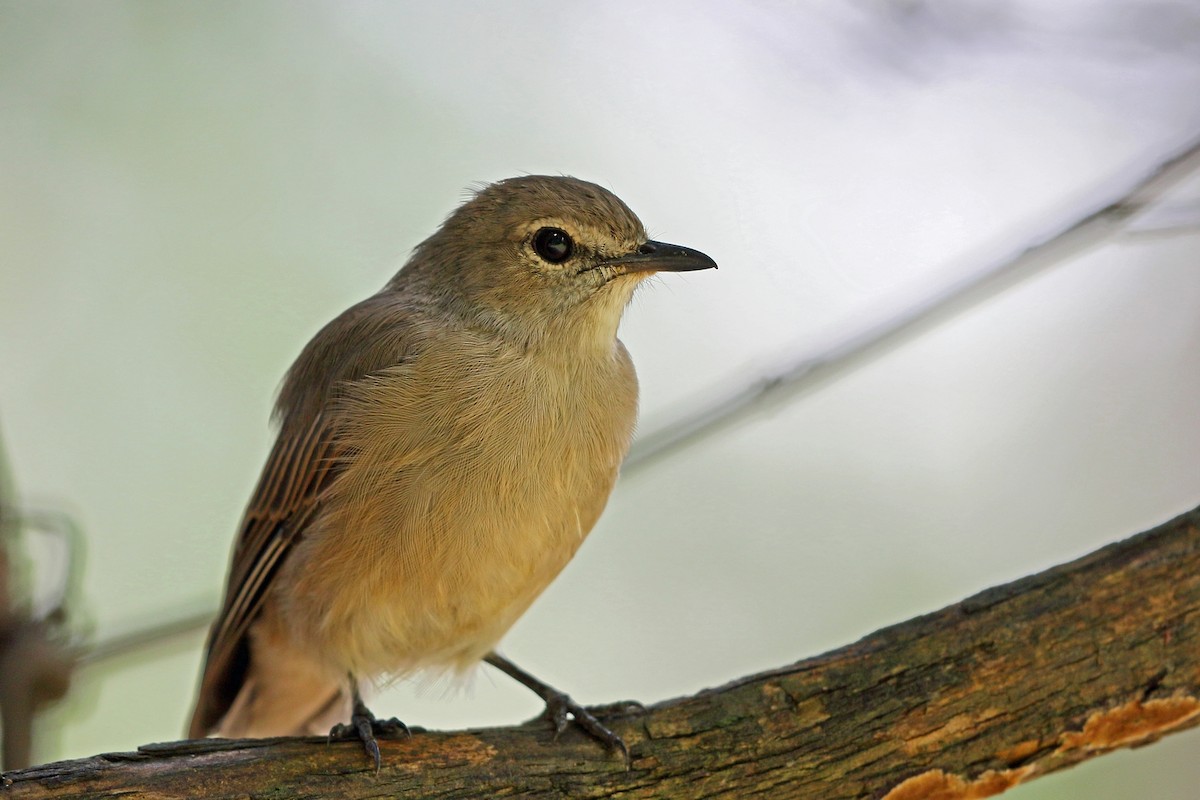
Pale Flycatcher
Pale Flycatcher
The Pale Flycatcher: A Complete Guide to One of Africa’s Most Understated Songbirds
Introduction
The African avian world is teeming with color, sound, and diversity. Among the myriad of bird species that grace the savannas, woodlands, and forests, the Pale Flycatcher (scientific name: Agricola pallidus) stands out not for its flamboyance, but for its subtle elegance and ecological significance. Often overlooked due to its muted plumage, this bird plays a vital role in insect population control and ecosystem balance.
In this comprehensive guide, we delve into the world of the Pale Flycatcher, exploring its habitat, behavior, diet, breeding patterns, and conservation status. Whether you’re a seasoned ornithologist, a birdwatching enthusiast, or a curious learner, this article will offer an in-depth look at one of Africa’s most understated yet fascinating birds.
What is the Pale Flycatcher?
The Pale Flycatcher is a small passerine bird belonging to the Muscicapidae family, commonly known as the Old World flycatchers. Native to sub-Saharan Africa, it is a non-migratory species that thrives in dry savannas and open woodlands.
Key Characteristics
- Scientific Name: Agricola pallidus
- Family: Muscicapidae
- Size: Approximately 14–16 cm in length
- Coloration: Pale greyish-brown upperparts, lighter underparts
- Call: Soft, melodious whistles and chirps
- Lifespan: Estimated 5–7 years in the wild
Distribution and Habitat
The Pale Flycatcher is widely distributed across sub-Saharan Africa, from Senegal and Ethiopia in the north to Angola and Mozambique in the south. It prefers dry, open habitats such as:
- Savannas
- Acacia woodlands
- Scrublands
- Edges of cultivated lands
Its adaptability to various dry environments makes it a resilient species, often spotted perched on low branches or fence posts scanning for insects.
Behavior and Ecology
Feeding Habits
As an insectivore, the Pale Flycatcher primarily feeds on:
- Beetles
- Moths
- Flies
- Ants
- Termites
It employs a characteristic “sallying” technique—darting out from a perch to snatch insects mid-air or from foliage. This agile hunting method is not only efficient but also entertaining to observe.
Daily Activity
- Diurnal: Active during daylight hours
- Territorial: Defends its feeding and nesting grounds
- Solitary or in Pairs: Rarely seen in large flocks
Breeding and Nesting
Breeding typically occurs during the rainy season when insect populations are abundant. The Pale Flycatcher is monogamous, forming pairs that may stay together across multiple breeding seasons.
Nesting Behavior
- Nest Type: Cup-shaped, made from grass, twigs, and spider webs
- Location: Low trees or shrubs, often well-concealed
- Clutch Size: 2–4 eggs
- Incubation: 12–14 days
- Fledging: Chicks leave the nest after 14–16 days
Both parents participate in feeding and protecting the young, showcasing a strong pair bond and cooperative parenting.
Vocalizations and Communication
Though not as vocally prominent as some of its relatives, the Pale Flycatcher emits a series of soft whistles and chirps, especially during the breeding season. Its calls serve several purposes:
- Territorial defense
- Mate attraction
- Parent-offspring communication
These vocalizations, while subtle, are crucial for maintaining social structure within their territories.
Conservation Status
According to the IUCN Red List, the Pale Flycatcher is listed as a species of Least Concern. Its wide distribution and stable population contribute to its favorable conservation status.
Threats
Despite its resilience, the species faces localized threats such as:
- Habitat loss due to agriculture
- Pesticide use reducing insect prey
- Deforestation
Conservation Measures
- Habitat preservation
- Sustainable agriculture
- Environmental education
Organizations like BirdLife International work to monitor and protect bird populations, including the Pale Flycatcher, through habitat conservation and community engagement.
Importance in Ecosystem
The Pale Flycatcher plays a pivotal role in maintaining ecological balance. By controlling insect populations, it helps prevent outbreaks that could damage crops or spread disease. Additionally, as prey for larger birds and mammals, it contributes to the food web.
Ecological Contributions
- Insect population control
- Pollination (indirectly through insect movement)
- Prey species for raptors and snakes
Observing the Pale Flycatcher
Birdwatchers can spot the Pale Flycatcher in various African national parks and reserves. Key tips for successful observation include:
- Visit during early morning or late afternoon
- Use binoculars with a wide field of view
- Listen for soft chirps and watch for quick aerial movements
Best Locations to Spot
- Kruger National Park, South Africa
- Serengeti National Park, Tanzania
- Kidepo Valley, Uganda
- Niokolo-Koba National Park, Senegal
Similar Species and Identification Tips
The Pale Flycatcher can be confused with other drab-colored flycatchers. Here’s how to distinguish it:
Similar Species
- Spotted Flycatcher (Muscicapa striata)
- Ashy Flycatcher (Muscicapa caerulescens)
- Grey Tit-Flycatcher (Fraseria plumbea)
Identification Tips
- Look for the pale underparts and uniform greyish-brown back
- Note the absence of distinct markings or streaks
- Observe the behavior—frequent sallying from low perches
Cultural Significance
While not widely featured in folklore, the Pale Flycatcher holds symbolic value in some African communities as a harbinger of the rainy season. Its presence is often associated with ecological health and natural balance.
FAQ – Frequently Asked Questions
1. Where can I find the Pale Flycatcher?
The Pale Flycatcher is found across sub-Saharan Africa, particularly in dry savannas and open woodlands. Countries like Kenya, Tanzania, and South Africa offer prime birdwatching opportunities.
2. What does the Pale Flycatcher eat?
It primarily feeds on insects such as beetles, flies, and moths. It uses a hunting technique known as “sallying” to catch its prey mid-air or from leaves and branches.
3. Is the Pale Flycatcher endangered?
No, it is currently listed as a species of Least Concern by the IUCN due to its wide distribution and stable population.
4. How can I distinguish the Pale Flycatcher from similar species?
Look for its pale grey-brown plumage, lack of streaks or spots, and its characteristic insect-catching behavior. It is less vocal and more subtly colored than many similar species.
5. What role does the Pale Flycatcher play in the ecosystem?
It helps control insect populations, thus contributing to pest management and ecological balance. It also serves as prey for larger animals, maintaining the food chain.