
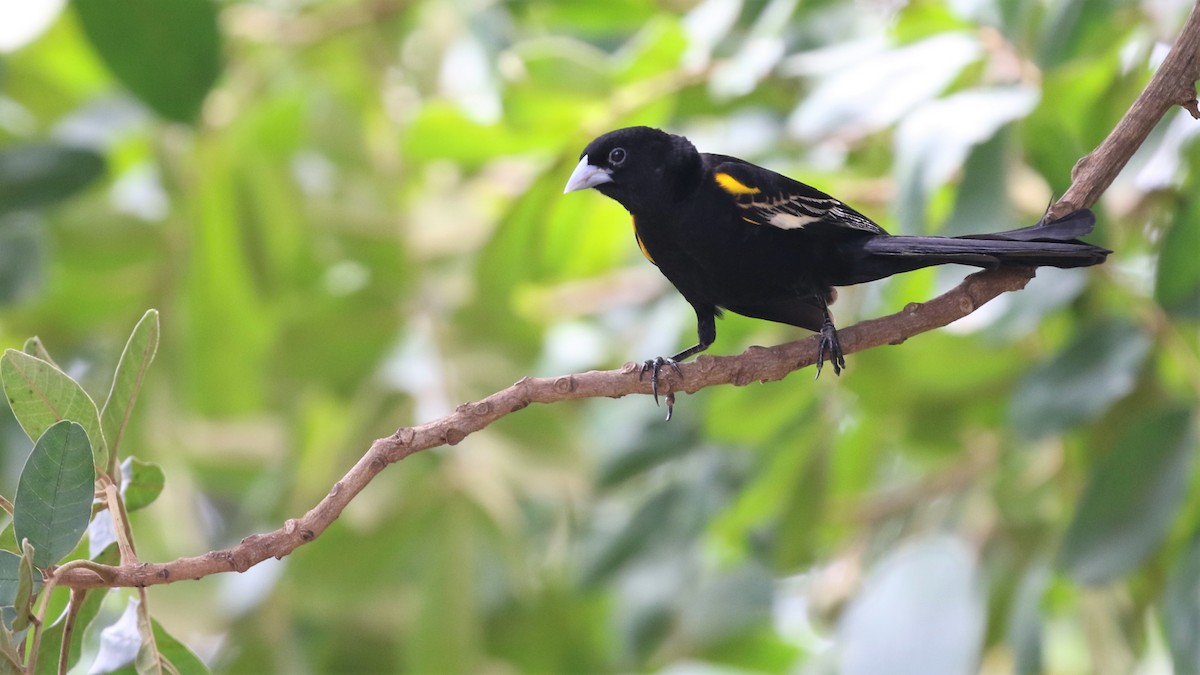
White-winged Widowbird
White-winged Widowbird
The White-winged Widowbird: A Masterpiece of Plumage and Courtship in the African Grasslands. Birding Safari in Africa
Introduction
Among the many avian wonders of the African savannas, the White-winged Widowbird (Euplectes albonotatus) stands out as a striking example of nature’s artistry and evolutionary ingenuity. With its dramatic breeding plumage, elaborate courtship displays, and unique ecological adaptations, this bird captivates ornithologists and birdwatchers alike. Native to sub-Saharan Africa, the White-winged Widowbird is not just a visual marvel but also a fascinating study in behavior, habitat preference, and species survival.
In this comprehensive article, we delve deep into the world of the White-winged Widowbird, exploring its taxonomy, physical characteristics, habitat, breeding behavior, diet, conservation status, and much more. Whether you’re a seasoned birder or a curious enthusiast, this guide offers a detailed look at one of Africa’s most elegant avian species.
Taxonomy and Classification
The White-winged Widowbird belongs to the family Ploceidae, commonly known as weavers due to their intricate nest-building techniques. Here’s a breakdown of its scientific classification:
- Kingdom: Animalia
- Phylum: Chordata
- Class: Aves
- Order: Passeriformes
- Family: Ploceidae
- Genus: Euplectes
- Species: E. albonotatus
This species is closely related to other widowbirds, including the Long-tailed Widowbird (Euplectes progne) and the Red-collared Widowbird (Euplectes ardens), all known for their sexually dimorphic plumage and elaborate mating rituals.
Physical Description
Breeding Plumage
During the breeding season, the male White-winged Widowbird undergoes a dramatic transformation. Its body turns a velvety black, contrasted by bold white patches on the wings — hence the name. The tail feathers elongate, although not as extravagantly as in some other widowbird species. This seasonal change is a classic example of sexual dimorphism, designed to attract females.
Non-breeding Plumage
Outside the mating season, males resemble females, sporting a more subdued brownish-yellow coloration with streaked patterns. This camouflage helps them avoid predators when they are not actively courting mates.
Size and Weight
- Length: 15–20 cm (including tail)
- Weight: 20–30 grams
Despite their modest size, these birds command attention with their striking appearance and dynamic behavior.
Habitat and Distribution
The White-winged Widowbird is found across a wide range of sub-Saharan Africa, from Senegal and Ethiopia in the north to South Africa in the south. It thrives in:
- Moist and dry savannas
- Grasslands
- Agricultural fields
- Wetlands and marshy areas
This adaptability to various habitats has allowed the species to maintain a relatively stable population across its range.
Preferred Environment
- Tall grasses for nesting
- Open spaces for display flights
- Proximity to water sources
These birds are often seen in large flocks outside the breeding season, feeding and roosting communally.
Behavior and Social Structure
Courtship Displays
One of the most fascinating aspects of the White-winged Widowbird is its elaborate courtship behavior. Males establish and defend territories, performing aerial displays that showcase their white wing patches and fluttering tail feathers. These displays are not just for show — they play a crucial role in female mate selection.
Territoriality
Males are highly territorial during the breeding season, often engaging in aerial skirmishes to defend their display grounds. Each male may build multiple nests within his territory to attract multiple females.
Flocking Behavior
Outside the breeding season, these birds are gregarious and form large flocks, sometimes mixed with other weaver species. This social behavior aids in foraging and predator detection.
Diet and Foraging
The White-winged Widowbird is primarily granivorous, feeding on a variety of grass seeds. However, its diet is supplemented with:
- Insects (especially during breeding season)
- Small invertebrates
- Nectar (occasionally)
Foraging Techniques
- Ground foraging in flocks
- Picking seeds directly from grass heads
- Aerial insect catching during flight displays
This dietary flexibility helps the species thrive in different environments and seasons.
Breeding and Nesting
Breeding Season
The breeding season typically coincides with the rainy season, which varies by region. Rainfall triggers the growth of grasses, providing both food and nesting material.
Nest Construction
Only males build nests, which are:
- Oval-shaped
- Suspended from tall grass stems
- Made from woven grass blades
Females inspect the nests and choose mates based on nest quality and the male’s display performance.
Reproduction
- Clutch Size: 2–4 eggs
- Incubation Period: 12–14 days
- Fledging Time: 14–18 days after hatching
Females are solely responsible for incubating the eggs and feeding the chicks.
Predators and Threats
Despite their beauty, White-winged Widowbirds face several threats in the wild:
Natural Predators
- Birds of prey (e.g., hawks and falcons)
- Snakes
- Small mammals (e.g., mongooses)
Human-induced Threats
- Habitat loss due to agriculture and urbanization
- Pesticide use affecting insect populations
- Climate change altering breeding patterns
However, the species is currently listed as Least Concern by the IUCN Red List, thanks to its wide distribution and stable population.
Conservation Status
While not currently endangered, conservationists monitor the White-winged Widowbird to ensure that habitat degradation does not lead to population declines. Key conservation efforts include:
- Preserving grassland habitats
- Promoting sustainable agriculture
- Educating local communities about biodiversity
Organizations like BirdLife International play a crucial role in these efforts.
Cultural Significance
In many African cultures, birds like the White-winged Widowbird are admired for their beauty and are often featured in folklore and traditional songs. Their dramatic courtship displays are seen as symbols of vitality and the rhythms of nature.
Birdwatching and Ecotourism
The White-winged Widowbird is a favorite among birdwatchers, especially during the breeding season when males are in full plumage. Popular birding destinations include:
- Kruger National Park, South Africa
- Serengeti National Park, Tanzania
- Okavango Delta, Botswana
Birdwatching tours often highlight widowbirds as part of the region’s rich avifauna.
Comparison with Other Widowbirds
| Feature | White-winged Widowbird | Long-tailed Widowbird | Red-collared Widowbird |
|---|---|---|---|
| Wing Color | White patches | Black | Red collar |
| Tail Length | Medium | Very long | Medium |
| Habitat | Grasslands, wetlands | Grasslands | Savannas |
| Display Style | Fluttering flight | Soaring with long tail | Ground and aerial |
This comparison highlights the diversity within the Euplectes genus and the evolutionary adaptations unique to each species.
Top Birding Spots to Observe Widowbirds
- Kruger National Park, South Africa
- Masai Mara, Kenya
- Etosha National Park, Namibia
- Lake Victoria Basin, Uganda
- Chobe National Park, Botswana
Conservation Tips
- Support grassland preservation initiatives
- Avoid use of harmful pesticides
- Promote eco-friendly tourism
- Participate in local bird counts
- Educate others about native bird species
Frequently Asked Questions (FAQ)
1. Where can I see the White-winged Widowbird in the wild?
You can spot this bird in various parts of sub-Saharan Africa, particularly in protected areas like Kruger National Park and the Serengeti. Look for them in open grasslands during the rainy season.
2. What do White-winged Widowbirds eat?
Their primary diet consists of grass seeds, but they also consume insects and small invertebrates, especially during the breeding season. Learn more about their dietary habits.
3. Are White-winged Widowbirds endangered?
No, they are currently listed as Least Concern by the IUCN. However, habitat loss could pose future threats if not managed properly.
4. How do males attract females?
Males perform aerial displays, showcasing their white wing patches and fluttering tails. They also build multiple nests to entice females. Discover more about their mating behavior.
5. Can I keep a White-winged Widowbird as a pet?
These birds are wild and not suited for captivity. It’s illegal in many countries to keep native wild birds as pets. Instead, support their conservation through birdwatching tourism.
Conclusion
The White-winged Widowbird is more than just a beautiful bird — it is a symbol of the intricate dance between evolution, ecology, and behavior. From its dazzling plumage to its acrobatic courtship rituals, this species offers a window into the wonders of avian life in Africa. As we continue to explore and understand such creatures, we also deepen our appreciation for the delicate ecosystems they inhabit and the importance of conserving them for future generations.
For more insights into African birds and their habitats, explore resources from BirdLife International, eBird, and the African Bird Club.