
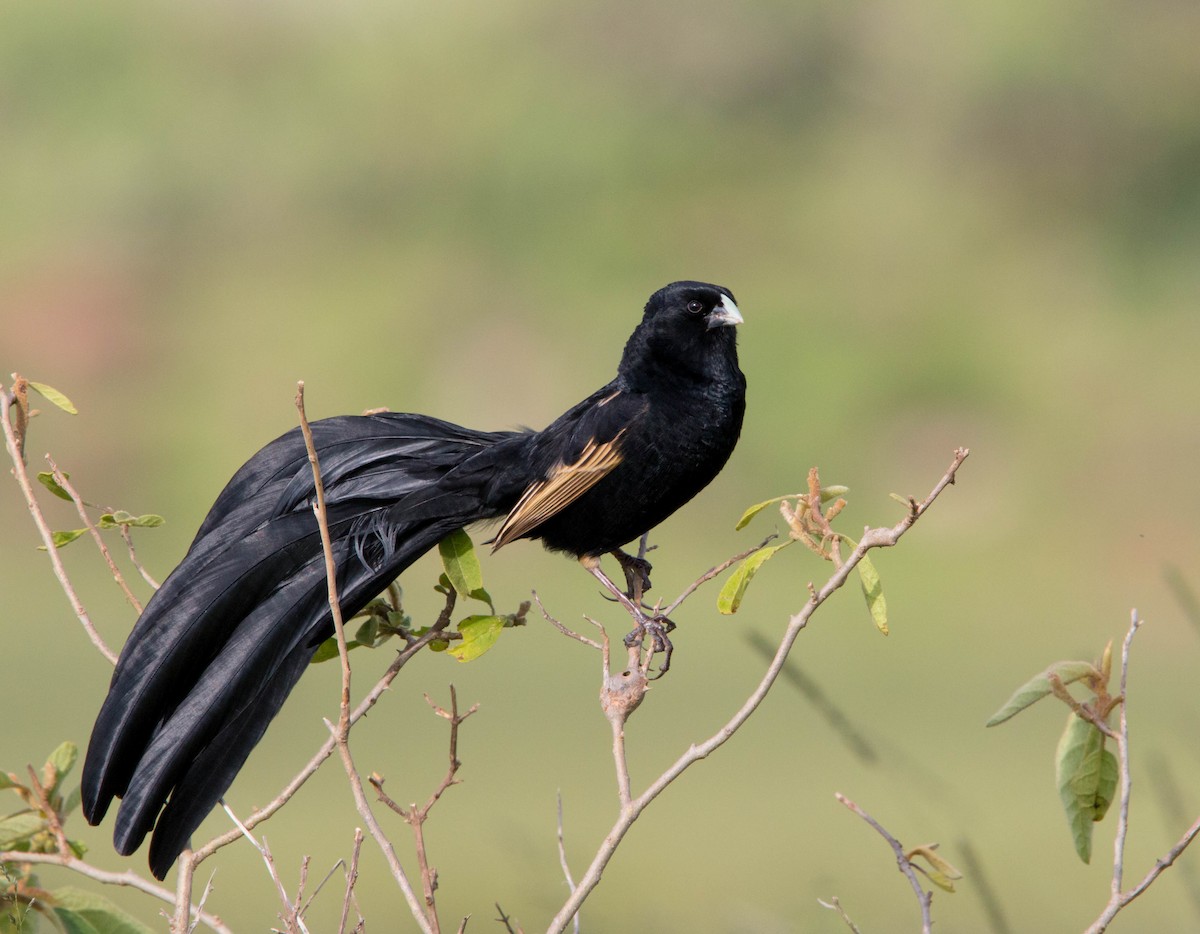
Jackson’s Widowbird
Jackson’s Widowbird
Jackson’s Widowbird: A Deep Dive into the Life, Habitat, and Conservation of a Rare Avian Gem
Introduction
Among the lesser-known yet mesmerizing bird species of Africa, Jackson’s Widowbird (Euplectes jacksoni) stands out as a marvel of avian evolution and ecological significance. With its striking appearance, unique mating displays, and restricted habitat, this bird is not just a symbol of biodiversity but also a subject of concern for conservationists.
In this comprehensive guide, we will explore the fascinating world of Jackson’s Widowbird, covering its taxonomy, physical characteristics, behavior, habitat, threats, and conservation efforts.
What is Jackson’s Widowbird?
Jackson’s Widowbird is a species of passerine bird in the family Ploceidae, commonly known as weavers. It is endemic to the highland grasslands of Kenya and Tanzania, making it a rare sight for most birdwatchers.
Taxonomy and Classification
- Scientific Name: Euplectes jacksoni
- Family: Ploceidae
- Order: Passeriformes
- Conservation Status: Near Threatened (IUCN Red List)
This species was named in honor of Frederick John Jackson, a British administrator and ornithologist who contributed significantly to East African natural history.
Physical Characteristics
Jackson’s Widowbird is best known for the male’s extravagant breeding plumage, which includes long, flowing tail feathers and a velvety black body. These features are used in elaborate mating displays to attract females.
Key Features
- Size: Approximately 15–25 cm in length (males are longer due to tail feathers)
- Coloration:
- Males: Jet black with golden-yellow shoulder patches during breeding season
- Females: Brownish and streaked, resembling sparrows
- Tail: Males develop elongated tail feathers up to 20 cm during mating season
These physical traits are not just for show—they play a crucial role in the bird’s reproductive success.
Habitat and Distribution
Jackson’s Widowbird is a habitat specialist, found primarily in the montane grasslands of East Africa. Its limited range makes it particularly vulnerable to environmental changes.
Geographic Range
Preferred Habitat
- Montane grasslands
- Open moorlands
- Edges of forested areas
These birds thrive in areas with tall grasses, which are essential for nesting and courtship displays.
Behavior and Ecology
Jackson’s Widowbird exhibits fascinating behaviors, particularly during the breeding season. The male’s display is one of the most elaborate among widowbirds.
Breeding and Mating Rituals
- Season: Typically during the rainy season (March to June)
- Display: Males perform a “bounce flight” over their territory, showing off their long tails
- Nesting: Females build nests in tall grasses, often choosing males with the most impressive displays
Diet
- Primary Food Sources:
- Grass seeds
- Insects (especially during breeding season)
- Small invertebrates
This omnivorous diet helps the species adapt to seasonal changes in food availability.
Conservation Status and Threats
According to the IUCN Red List, Jackson’s Widowbird is currently classified as Near Threatened. Its population is declining due to several anthropogenic and environmental factors.
Major Threats
- Habitat Loss: Conversion of grasslands to agriculture
- Overgrazing: Livestock reduce the availability of tall grasses for nesting
- Climate Change: Alters the timing of breeding seasons and food availability
- Fire Regimes: Frequent burning of grasslands disrupts nesting habitats
Conservation Efforts
- Protected Areas: Presence in national parks like Aberdare National Park
- Community Engagement: Local conservation programs involving indigenous communities
- Research Initiatives: Ongoing studies on habitat use and population dynamics
Importance in the Ecosystem
Jackson’s Widowbird plays a vital role in the grassland ecosystem. As both a seed disperser and insect predator, it contributes to ecological balance.
Ecological Roles
- Seed Dispersal: Helps in the propagation of native grass species
- Pest Control: Reduces insect populations, benefiting agriculture
- Indicator Species: Its presence indicates healthy grassland ecosystems
Birdwatching and Ecotourism
For birdwatchers and nature enthusiasts, spotting a Jackson’s Widowbird is a rare and rewarding experience. Its limited range and striking appearance make it a sought-after species in East African birding tours.
Best Places to Spot Jackson’s Widowbird
- Kenya:
- Tanzania:
Tips for Birdwatchers
- Visit during the breeding season for the best displays
- Use binoculars with high magnification
- Hire local guides familiar with the species
How You Can Help
Conservation is not just the responsibility of scientists and governments. Individuals can also make a significant impact.
Ways to Contribute
- Donate to organizations like BirdLife International
- Support Eco-Tourism: Choose responsible tour operators
- Raise Awareness: Share information on social media
- Volunteer: Participate in citizen science projects
Fascinating Facts About Jackson’s Widowbird
- The male’s tail can be up to three times the length of its body during the breeding season.
- The species is named after a British explorer, not a musician!
- Despite its showy appearance, it is extremely shy and elusive.
- Females are solely responsible for nest-building and chick-rearing.
- It is one of the few birds whose breeding success is directly linked to tail length.
Frequently Asked Questions (FAQ)
1. Where can I see Jackson’s Widowbird in the wild?
You can spot this bird in the highland grasslands of Kenya and Tanzania, particularly in protected areas like Aberdare National Park and Mount Kenya.
2. Why is Jackson’s Widowbird considered Near Threatened?
The species faces habitat loss due to agriculture, overgrazing, and climate change. These factors have led to a decline in its population, prompting its classification as Near Threatened by the IUCN.
3. What does Jackson’s Widowbird eat?
Its diet consists mainly of grass seeds and insects. During the breeding season, the intake of protein-rich insects increases to support reproductive efforts.
4. How does the male attract a mate?
Males perform an aerial display known as “bounce flight” while showcasing their elongated tail feathers. The more extravagant the display, the higher the chances of attracting a female.
5. How can I help in conserving Jackson’s Widowbird?
You can contribute by donating to conservation organizations, spreading awareness, supporting eco-tourism, and participating in local conservation initiatives.
Conclusion
Jackson’s Widowbird is more than just a beautiful bird—it is a symbol of the delicate balance within East Africa’s montane grasslands. Its survival depends on our collective efforts to preserve its habitat and understand its ecological role. By raising awareness and supporting conservation, we can ensure that future generations will also marvel at this avian wonder.