
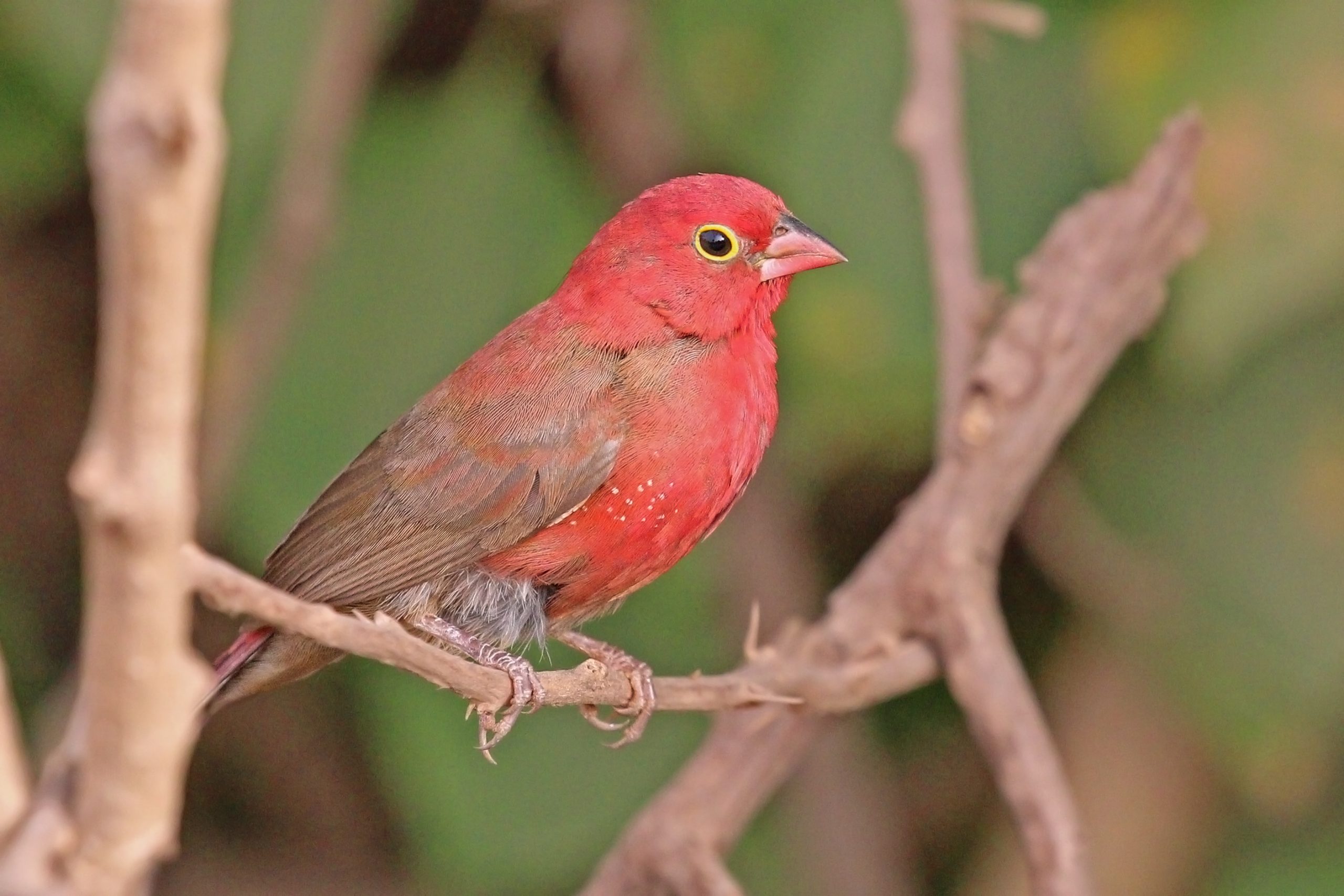
Red-billed Firefinch
Red-billed Firefinch
The Red-Billed Firefinch: A Complete Guide to the Scarlet Jewel of the Savannas
Introduction
The Red-billed Firefinch (Lagonosticta senegala) is a small, vividly colored bird that captivates birdwatchers, ornithologists, and nature lovers alike. Native to sub-Saharan Africa, this species is renowned for its striking crimson plumage, gentle nature, and adaptability to various habitats. Whether you’re a seasoned birder or a curious enthusiast, this comprehensive guide will unveil everything you need to know about this fascinating avian species.
In this article, we’ll explore the Red-billed Firefinch’s habitat, behavior, diet, reproduction, and conservation status. We’ll also delve into its cultural significance, how to attract them to your garden, and why they’re a favorite among aviculturists.
Taxonomy and Classification
The Red-billed Firefinch belongs to the family Estrildidae, a group of small passerine birds commonly known as estrildid finches. These birds are not true finches but are often referred to as such due to their similar appearance and behavior.
Scientific Classification:
- Kingdom: Animalia
- Phylum: Chordata
- Class: Aves
- Order: Passeriformes
- Family: Estrildidae
- Genus: Lagonosticta
- Species: L. senegala
There are several recognized subspecies of the Red-billed Firefinch, each with slight variations in plumage and geographical distribution.
Physical Description
The Red-billed Firefinch is a small bird, measuring approximately 10 cm (4 inches) in length. Its most distinctive feature is its brilliant red plumage, especially in males, which makes it easily identifiable in the wild.
Key Physical Characteristics:
- Males: Bright crimson-red covering the head, breast, and flanks; brownish wings and back; vivid red beak.
- Females: More subdued coloration with brownish-grey tones and a hint of red on the face and rump.
- Eyes: Dark and expressive, providing contrast against the red feathers.
- Beak: Conical and bright red, ideal for cracking small seeds.
This bird’s striking appearance makes it a popular subject for bird photography and a favorite among avian enthusiasts.
Habitat and Distribution
The Red-billed Firefinch is widely distributed across sub-Saharan Africa, thriving in a variety of environments. Its adaptability allows it to inhabit both rural and urban areas.
Preferred Habitats:
- Savannas and Grasslands
- Open Woodlands
- Agricultural Fields
- Suburban Gardens and Parks
- Near Human Settlements
This species is particularly fond of areas with access to water and dense vegetation, which provide both food and shelter.
Behavior and Social Structure
Red-billed Firefinches are highly social creatures, often seen in small flocks or pairs. Their gregarious nature is evident in their communal roosting and feeding behaviors.
Behavioral Traits:
- Flocking: Often seen in groups, especially outside the breeding season.
- Territoriality: Males may become territorial during mating periods.
- Bathing: Frequently observed bathing in shallow water or dust.
- Sunbathing: A common behavior used to regulate body temperature and maintain feather health.
Their social dynamics are complex, involving vocal communication, visual displays, and cooperative behaviors.
Diet and Feeding Habits
The diet of the Red-billed Firefinch is primarily granivorous, but it also includes insects, especially during the breeding season when protein is essential for chick development.
Common Food Sources:
- Grass Seeds
- Millet and Sorghum
- Termites and Ants
- Small Insects and Larvae
They forage mostly on the ground, using their sharp eyesight and agile movements to locate food.
Breeding and Reproduction
Breeding typically coincides with the rainy season, when food is abundant. The Red-billed Firefinch is monogamous, forming strong pair bonds that often last for life.
Reproductive Cycle:
- Courtship: Males perform a fluttering dance and sing to attract females.
- Nesting: Nests are built in shrubs, trees, or even abandoned buildings using grass, feathers, and other soft materials.
- Eggs: A clutch usually contains 3–6 white eggs.
- Incubation: Lasts about 11–13 days, shared by both parents.
- Fledging: Chicks leave the nest around 17–20 days after hatching.
Parental care continues for several weeks post-fledging, ensuring the young birds learn essential survival skills.
Vocalizations and Communication
The Red-billed Firefinch has a soft, melodic song that is both soothing and intricate. Males are more vocal, especially during the breeding season.
Types of Vocalizations:
- Contact Calls: Soft “chip-chip” sounds to maintain group cohesion.
- Alarm Calls: Sharp, high-pitched notes to warn of predators.
- Courtship Songs: Complex melodies used to attract mates.
These vocalizations play a crucial role in their social interactions and reproductive success.
Conservation Status
According to the IUCN Red List, the Red-billed Firefinch is listed as a species of “Least Concern.” Its widespread distribution and adaptability contribute to its stable population.
Threats to Survival:
- Habitat Loss: Due to urbanization and agriculture.
- Predation: By domestic cats and birds of prey.
- Climate Change: Altering food availability and breeding cycles.
Despite these threats, the species remains resilient, thanks to its flexible habitat preferences and reproductive strategies.
Cultural and Symbolic Significance
In many African cultures, the Red-billed Firefinch is seen as a symbol of love and vitality. Its vibrant color and harmonious song have inspired folklore, art, and poetry.
Symbolic Meanings:
- Love and Fidelity
- Joy and Celebration
- Resilience and Adaptability
These symbolic associations have helped endear the bird to local communities, fostering a sense of stewardship and appreciation.
Aviculture and Domestication
The Red-billed Firefinch is a popular species in aviculture due to its beauty, gentle temperament, and ease of care.
Advantages in Captivity:
- Low Maintenance: Requires minimal space and simple diet.
- Breeding: Breeds readily in captivity with proper conditions.
- Compatibility: Can coexist with other small, peaceful birds.
However, ethical considerations must be taken into account, ensuring that birds are sourced responsibly and not taken from the wild.
How to Attract Red-Billed Firefinches
If you live in or near their native range, attracting these birds to your garden can be a rewarding experience.
Tips to Attract Them:
- Provide Food Sources:
- Scatter millet and grass seeds.
- Offer mealworms during breeding season.
- Create Shelter:
- Plant native shrubs and grasses.
- Install birdhouses or nesting boxes.
- Ensure Water Access:
- Maintain a shallow birdbath.
- Keep water clean and fresh.
- Avoid Pesticides:
- Use organic gardening methods to protect insect populations.
By creating a bird-friendly environment, you can enjoy the presence of these delightful creatures year-round.
Frequently Asked Questions
1. Where can I see Red-billed Firefinches in the wild?
You can spot them across sub-Saharan Africa, particularly in open savannas, farmlands, and near human settlements. Countries like Senegal, Nigeria, Kenya, and Tanzania are prime locations.
2. Can Red-billed Firefinches be kept as pets?
Yes, they are popular in aviculture, but it’s essential to ensure they are captive-bred and not taken from the wild. Always purchase from reputable breeders.
3. What do Red-billed Firefinches eat?
Their diet includes grass seeds, millet, and small insects. During breeding, they require more protein, often consuming termites and larvae.
4. Are Red-billed Firefinches endangered?
No, they are classified as a species of Least Concern, with a stable population across their range.
5. How do they communicate?
They use a variety of vocalizations including soft calls and melodic songs, especially during courtship and social interactions.
Conclusion
The Red-billed Firefinch is more than just a beautiful bird—it’s a symbol of nature’s resilience, a joy to observe, and a testament to the wonders of avian life. Its adaptability, social nature, and striking appearance make it a favorite among bird lovers and researchers alike.
Whether you’re observing them in the wild, caring for them in captivity, or simply admiring their beauty from afar, the Red-billed Firefinch offers a unique glimpse into the vibrant world of African birdlife.
For more information on bird species, aviculture, or conservation efforts, explore resources like BirdLife International, eBird, and the IUCN Red List.