
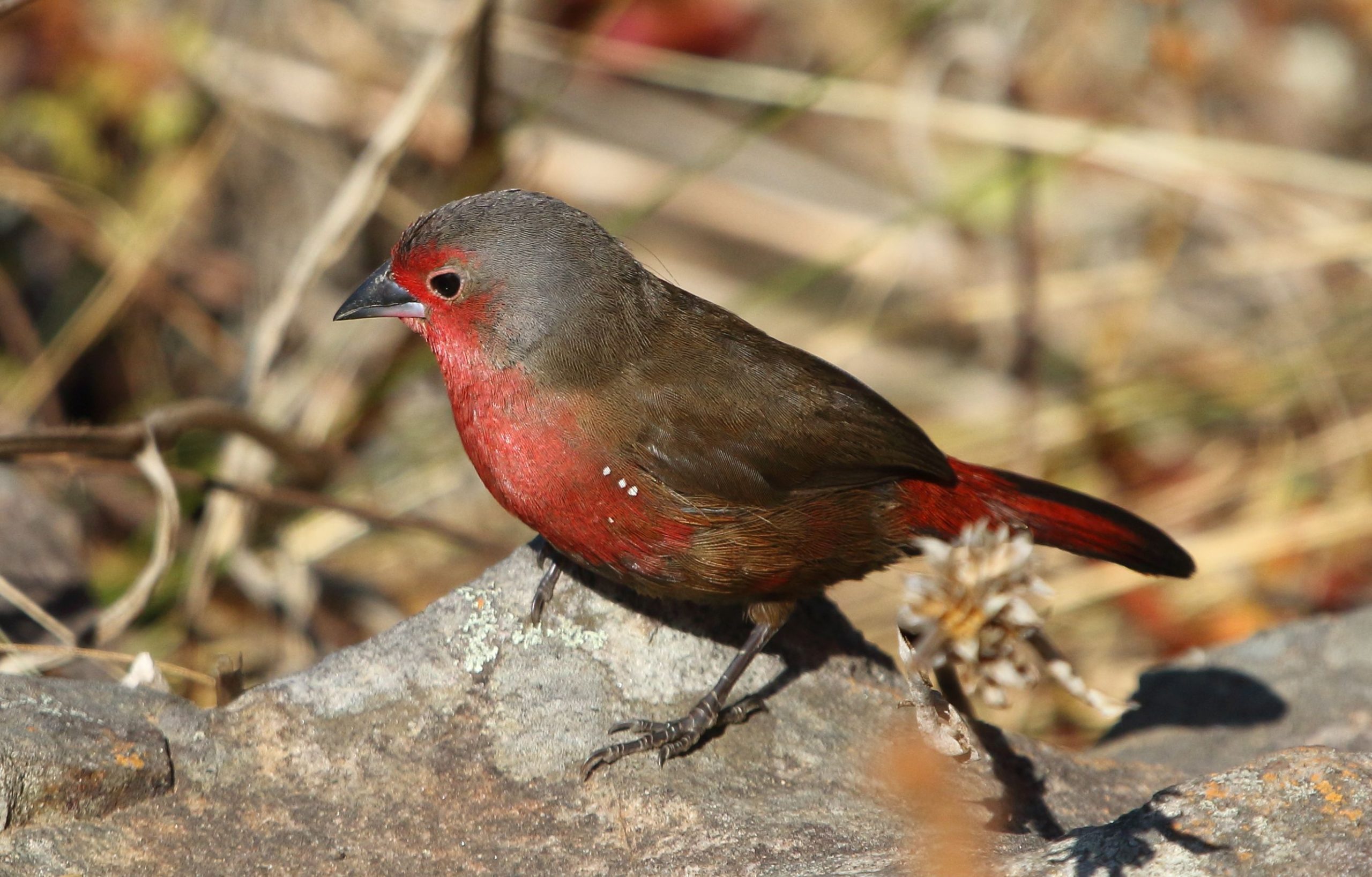
African Firefinch
African Firefinch
The African Firefinch: A Jewel of the Savannah
Introduction
The African Firefinch, a small yet strikingly beautiful bird, is one of the most captivating avian species found across sub-Saharan Africa. With its vibrant plumage, melodious song, and intriguing behaviors, this bird has fascinated ornithologists, birdwatchers, and nature enthusiasts alike. In this comprehensive guide, we delve deep into the world of the African Firefinch, exploring its habitat, diet, breeding patterns, conservation status, and more.
What is the African Firefinch?
The African Firefinch (Lagonosticta rubricata) belongs to the family Estrildidae, a group of small passerine birds commonly known as estrildid finches. Native to various regions of Africa, this species is admired for its rich red coloration and delicate song.
Key Characteristics
- Scientific Name: Lagonosticta rubricata
- Common Names: African Firefinch, Red-billed Firefinch, Firefinch
- Family: Estrildidae
- Size: Approximately 10–12 cm in length
- Weight: Around 10 grams
- Lifespan: 4–6 years in the wild
Habitat and Distribution
The African Firefinch thrives in a variety of habitats, typically favoring areas with dense vegetation and access to water. These birds are commonly found in:
- Savannahs
- Woodlands
- Forest edges
- Riverbanks
- Agricultural lands
Geographic Range
This species is widely distributed across sub-Saharan Africa, including countries such as:
- Nigeria
- Ghana
- Kenya
- Uganda
- South Africa
- Tanzania
Their adaptability allows them to inhabit both rural and semi-urban environments, provided there is sufficient cover and food availability.
Physical Appearance
The African Firefinch is renowned for its vivid coloration, which varies slightly between males and females.
Male Firefinch
- Bright crimson-red plumage on the head, breast, and underparts
- Brownish wings and back
- Distinctive white spots on the flanks
- Short, conical red bill
Female Firefinch
- More subdued coloration
- Brownish-grey body with hints of red on the underparts
- Similar white flank spots
- Red bill, though slightly duller than the male’s
These visual differences aid in sexual dimorphism, making it easier to distinguish between the sexes.
Behavior and Social Structure
African Firefinches are generally shy and elusive, preferring to stay close to dense undergrowth. However, they are also highly social birds, often seen in pairs or small family groups.
Social Traits
- Monogamous pairing
- Territorial during breeding season
- Communicate through soft, high-pitched chirps
- Engage in mutual preening and feeding
Their social nature plays a crucial role in their survival, especially in environments with high predation risks.
Diet and Feeding Habits
The African Firefinch is primarily granivorous, but its diet also includes a variety of other food sources, particularly during the breeding season.
Primary Diet
- Grass seeds
- Millet
- Sorghum
Supplementary Diet
- Small insects (especially during nesting)
- Termites
- Ants
- Aphids
These birds forage mostly on the ground, using their strong beaks to pick up seeds and insects from the soil and low vegetation.
Breeding and Reproduction
Breeding behavior in African Firefinches is both fascinating and strategic. The breeding season typically coincides with the rainy season, ensuring ample food supply for the chicks.
Nesting
- Constructed in dense shrubs or tall grasses
- Made from fine grasses, feathers, and plant fibers
- Dome-shaped with a side entrance
Reproductive Cycle
- Clutch size: 3–6 eggs
- Incubation period: 11–13 days
- Fledging period: 17–21 days
- Both parents share incubation and feeding duties
Interestingly, African Firefinches are sometimes victims of brood parasitism by the Village Indigobird, which lays its eggs in the Firefinch’s nest.
Vocalizations and Communication
The African Firefinch is known for its soft and melodious song, which is often heard during the early morning and late afternoon.
Common Calls
- High-pitched “tsee-tsee” notes
- Soft trills and whistles
- Alarm calls when threatened
These vocalizations serve multiple purposes, including mate attraction, territory defense, and signaling danger.
Predators and Threats
Despite their small size, African Firefinches face numerous threats in the wild.
Natural Predators
- Snakes (e.g., boomslang)
- Raptors (e.g., hawks and falcons)
- Small mammals (e.g., genets)
Human-Induced Threats
- Habitat loss due to agriculture and urbanization
- Pesticide use affecting food availability
- Capture for the pet trade
Although not currently endangered, these threats could impact their population if not managed properly.
Conservation Status
According to the IUCN Red List, the African Firefinch is currently classified as a species of Least Concern. However, localized declines have been observed in areas with intense habitat degradation.
Conservation Measures
- Habitat preservation
- Regulation of pesticide use
- Awareness campaigns against illegal bird trade
- Research and monitoring of population trends
Organizations such as BirdLife International are actively involved in monitoring and conserving species like the African Firefinch.
African Firefinch in Captivity
Due to their striking appearance and gentle nature, African Firefinches are sometimes kept as cage birds. However, they require specific care to thrive in captivity.
Care Requirements
- Spacious aviary with dense foliage
- Balanced diet of seeds and live insects
- Clean water for drinking and bathing
- Nesting materials and privacy
Ethical birdkeeping practices should always be followed, and wild-caught birds should never be purchased.
Cultural Significance
In various African cultures, the African Firefinch is seen as a symbol of vitality and beauty. Its presence is often associated with good fortune and harmony with nature.
Interesting Facts
- African Firefinches often form mixed flocks with other finch species.
- Their red coloration is due to carotenoid pigments in their diet.
- They play a role in seed dispersal, aiding in plant regeneration.
- Firefinches are known to “ant bathe” by rubbing ants on their feathers to deter parasites.
Summary
The African Firefinch is a vibrant, melodious, and socially complex bird species native to sub-Saharan Africa. With its adaptability to various habitats, distinctive appearance, and fascinating behaviors, it stands as a testament to the rich biodiversity of the African continent. Conservation efforts and responsible birdkeeping practices are essential to ensure the continued survival of this avian gem.
Frequently Asked Questions (FAQ)
1. Where can I see the African Firefinch in the wild?
You can spot African Firefinches in countries like Kenya, Ghana, and South Africa, especially in savannahs, forest edges, and near water sources.
2. What do African Firefinches eat?
Their diet includes a mix of grass seeds, millet, and small insects like termites and aphids, particularly during the breeding season.
3. Are African Firefinches good pets?
While they can be kept in captivity, it is crucial to ensure they are not wild-caught. Ethical sourcing and proper care, including a balanced diet, are essential for their well-being.
4. How can I help conserve the African Firefinch?
Support organizations like BirdLife International, avoid using harmful pesticides, and advocate for habitat conservation.
5. Do African Firefinches migrate?
No, they are generally non-migratory and remain within their established territories year-round, although they may move locally in search of food and water.
Key Takeaways
- The African Firefinch is a small, vividly colored bird native to sub-Saharan Africa.
- It thrives in diverse habitats and is known for its social behavior and melodic calls.
- Conservation efforts are vital to protect this species from habitat loss and illegal trade.
- Ethical birdkeeping and awareness can contribute to its preservation.
- It plays an important ecological role in seed dispersal and insect population control.
Final Thoughts
The African Firefinch is more than just a beautiful bird; it is a vital component of the African ecosystem and a symbol of the continent’s natural splendor. By understanding and appreciating this species, we take a step closer to preserving the intricate web of life that makes our planet so extraordinary.
For those passionate about avian life, the African Firefinch offers a window into the wonders of bird behavior, ecology, and conservation. Let this guide serve as your definitive resource for everything you need to know about this remarkable bird.