
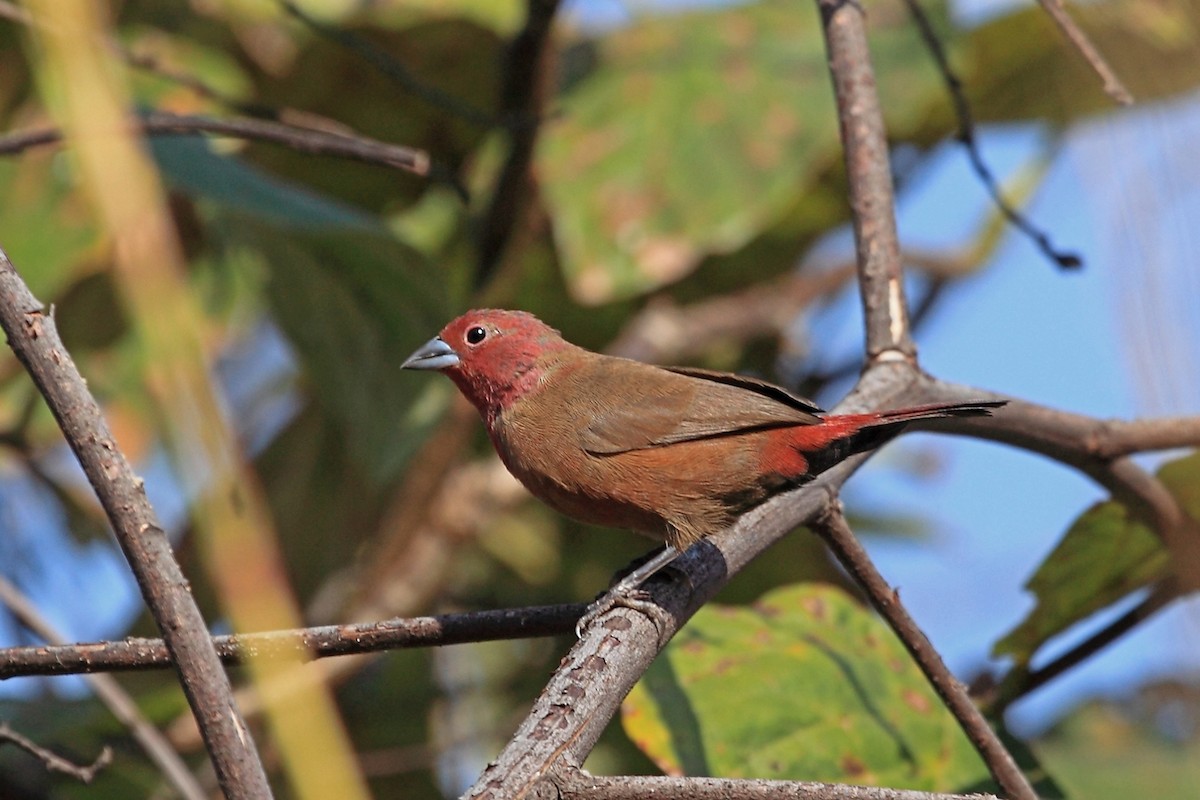
Jameson’s Firefinch
Jameson’s Firefinch
Jameson’s Firefinch: A Jewel of the African Savannah. African Birding Safari
Introduction
Among the vibrant tapestry of Africa’s avian wonders, Jameson’s Firefinch (Lagonosticta rhodopareia) emerges as a small but resplendent gem. With its delicate crimson plumage and elusive nature, this bird has fascinated ornithologists, birdwatchers, and conservationists alike. Native to sub-Saharan Africa, Jameson’s Firefinch is more than just a pretty bird—it is a vital component of its ecosystem and a symbol of the continent’s rich biodiversity.
In this comprehensive guide, we will delve into the biology, habitat, behavior, conservation status, and cultural significance of this species. We will also explore the best practices for observing them in the wild, and how their presence can be a key indicator of environmental health.
Taxonomy and Classification
Jameson’s Firefinch belongs to the family Estrildidae, a group of small passerine birds native to the Old World tropics and Australasia. Within this family, the genus Lagonosticta comprises several species of firefinches, all known for their vivid coloration and social behavior.
Scientific Classification:
- Kingdom: Animalia
- Phylum: Chordata
- Class: Aves
- Order: Passeriformes
- Family: Estrildidae
- Genus: Lagonosticta
- Species: L. rhodopareia
The species was first described by Anton Reichenow in 1875 and named in honor of James Sligo Jameson, a 19th-century explorer and naturalist.
Physical Description
Jameson’s Firefinch is a small, delicate bird, measuring approximately 10–11 cm in length. Its most striking feature is its vivid red plumage, which varies slightly between males and females.
Male Characteristics:
- Bright crimson head and underparts
- Brownish wings and back
- Black tail
- Pale pinkish beak
Female Characteristics:
- Paler reddish underparts
- More brownish overall appearance
- Less intense coloration on the head
Juveniles resemble females but are generally duller in color. Their subtle beauty makes them a favorite among bird enthusiasts and photographers.
Habitat and Distribution
Jameson’s Firefinch is widely distributed across sub-Saharan Africa, particularly in:
- Angola
- Botswana
- Kenya
- Malawi
- Mozambique
- Namibia
- South Africa
- Tanzania
- Zambia
- Zimbabwe
These birds prefer savannahs, open woodlands, and moist grasslands, often near water sources. They are also commonly found in agricultural lands and rural gardens, adapting well to human-altered landscapes.
Preferred Habitats:
- Grasslands with scattered shrubs
- Riverine forests
- Cultivated fields with hedgerows
- Edges of wetlands
Their adaptability makes them resilient, although habitat degradation still poses a threat in some regions.
Behavior and Diet
Jameson’s Firefinch is a gregarious and ground-feeding bird. It is often seen in small flocks, especially outside the breeding season.
Feeding Habits:
- Primarily granivorous (seed-eating)
- Supplements diet with small insects during breeding
- Forages on the ground in open areas
- Uses a rapid pecking motion to pick up seeds
They are known for their soft, melodious calls, often heard during early mornings and late afternoons. Their vocalizations serve both territorial and mating purposes.
Breeding and Life Cycle
The breeding season of Jameson’s Firefinch varies depending on rainfall and food availability but generally coincides with the wet season.
Breeding Behavior:
- Monogamous pairs
- Males perform courtship displays with fluttering flights and song
- Nests are built in dense shrubs or grasses, often near the ground
Nesting:
- Dome-shaped nests made of grass and feathers
- Clutch size: 3–6 eggs
- Incubation period: ~12–14 days
- Both parents share incubation and feeding duties
Fledging occurs about two weeks after hatching. The young remain dependent on parents for several days post-fledging.
Conservation Status
According to the IUCN Red List, Jameson’s Firefinch is currently classified as Least Concern due to its wide distribution and stable population trends. However, localized threats persist.
Threats:
- Habitat loss due to agriculture and urbanization
- Pesticide use affecting insect populations
- Predation by domestic cats and invasive species
Conservation Measures:
- Promoting sustainable land use
- Protecting key habitats
- Raising awareness among local communities
- Supporting ecotourism initiatives
Organizations like BirdLife International are actively involved in monitoring firefinch populations and advocating for their protection.
Ecological Importance
Jameson’s Firefinch plays a crucial role in its ecosystem:
- Seed dispersal: Helps maintain plant diversity
- Insect control: Consumes small insects during breeding
- Prey species: Serves as food for raptors and small mammals
Their presence is often an indicator of a healthy, balanced ecosystem. Monitoring their numbers can provide insights into environmental changes.
Jameson’s Firefinch in Culture
In many African cultures, small birds like the firefinch are seen as symbols of joy, harmony, and resilience. Their bright colors and cheerful songs have inspired local folklore and art.
Cultural Significance:
- Representations in tribal paintings and textiles
- Featured in traditional songs and stories
- Considered omens of good fortune in some regions
Their aesthetic appeal also makes them popular in avian art and eco-tourism marketing.
Birdwatching Tips
For those eager to observe Jameson’s Firefinch in its natural habitat, here are some expert tips:
Best Times to Observe:
- Early morning (dawn)
- Late afternoon (before sunset)
Ideal Locations:
- Wetland edges in Zambia and Malawi
- Savannahs of northern Botswana
- Rural gardens in eastern Zimbabwe
Equipment Recommendations:
- Binoculars with 8x or 10x magnification
- DSLR camera with a telephoto lens
- Field guide to African birds
Ethical Birdwatching Practices:
- Maintain a respectful distance
- Avoid disturbing nesting sites
- Do not use playback calls excessively
- Support local conservation efforts
FAQs
1. Where can I find Jameson’s Firefinch in the wild?
You can spot them in sub-Saharan Africa, particularly in countries like Zambia, Botswana, and Zimbabwe. Look for them in open grasslands and near water sources.
2. What do Jameson’s Firefinches eat?
Their diet consists mainly of grass seeds, but they also consume small insects during the breeding season to provide protein for their chicks.
3. Are Jameson’s Firefinches endangered?
No, they are currently listed as Least Concern by the IUCN, but habitat loss could pose future risks.
4. How can I attract Jameson’s Firefinch to my garden?
Plant native grasses, avoid pesticides, and provide a shallow water source. These birds are drawn to safe, food-rich environments.
5. Do Jameson’s Firefinches migrate?
They are generally non-migratory, but they may move locally in response to rainfall and food availability.
Conclusion
Jameson’s Firefinch is a shining example of Africa’s avian diversity. Its beauty, ecological role, and adaptability make it a subject of fascination for scientists and bird lovers alike. As we continue to explore and appreciate the natural world, let us also commit to protecting it—for the firefinch, and for the countless other species that share its habitat.
By understanding and preserving birds like Jameson’s Firefinch, we not only safeguard biodiversity but also enrich our own connection to the natural world. Whether you’re a seasoned ornithologist or a curious traveler, let this tiny crimson bird inspire you to look closer, listen deeper, and care more passionately about our planet.