
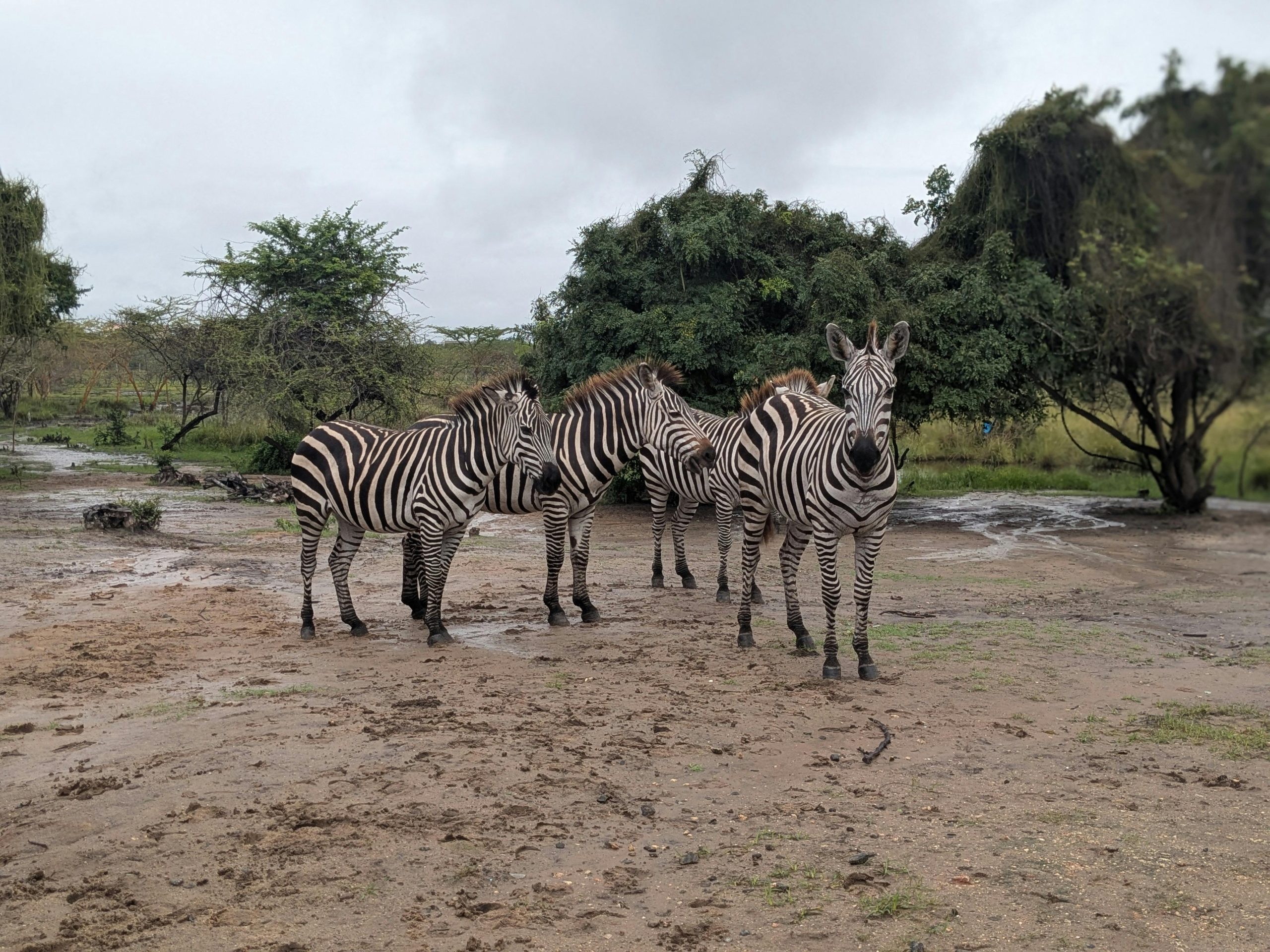
Lake Manyara National Park
Lake Manyara National Park
Discovering Lake Manyara National Park: A Hidden Gem of East African Safari
Introduction
Nestled at the base of the Great Rift Valley escarpment in northern Tanzania, Lake Manyara National Park is a breathtaking sanctuary that offers a unique blend of lush groundwater forests, expansive floodplains, and the shimmering alkaline lake that gives the park its name. Though often overshadowed by its more famous neighbors—Serengeti National Park and Ngorongoro Crater—Lake Manyara is a biodiversity hotspot teeming with wildlife, scenic beauty, and cultural richness.
This article delves deep into the wonders of Lake Manyara National Park, exploring its landscapes, wildlife, activities, and why it should be a top destination for any East African safari enthusiast.
The Geography and Ecosystems of Lake Manyara
A Mosaic of Habitats
Lake Manyara National Park spans approximately 330 square kilometers, with nearly two-thirds covered by the alkaline lake itself. The park’s diverse ecosystems include:
- Groundwater Forests: Fed by underground springs, these lush forests are home to troops of baboons and blue monkeys.
- Acacia Woodlands: Ideal for spotting elephants and the park’s famous tree-climbing lions.
- Floodplains: Open grasslands that attract large herds of buffalo, wildebeest, and zebra.
- Lake Shoreline: A haven for thousands of flamingos and other waterbirds.
This ecological diversity supports an astonishing variety of flora and fauna, making it a microcosm of Tanzanian wilderness.
Wildlife Encounters in Lake Manyara
Iconic Species and Rare Sightings
Lake Manyara is renowned for its rich wildlife population. While it may not boast the vast herds of the Serengeti, it offers intimate and unique wildlife experiences.
- Tree-Climbing Lions: One of the few places in Africa where lions are regularly seen lounging in trees.
- Elephants: Often seen in large family groups, especially in the forested areas.
- Birdlife: Over 400 bird species, including pelicans, storks, and the iconic flamingos.
- Primates: Baboons, vervet monkeys, and blue monkeys abound in the forest zones.
- Other Mammals: Giraffes, hippos, impalas, and warthogs are common sightings.
For a comprehensive wildlife experience, Turkana Wildlife Safaris offers expertly guided tours that maximize your chances of witnessing these incredible creatures.
Activities and Experiences
Safari Adventures Beyond the Ordinary
A visit to Lake Manyara National Park offers more than just game drives. Here are some of the top activities to enjoy:
1. Game Drives
- Best during early morning or late afternoon.
- Explore various habitats and spot diverse wildlife.
2. Bird Watching
- Ideal for ornithologists and bird lovers.
- Visit during the wet season (November to April) for migratory birds.
3. Canoeing (Seasonal)
- Paddle along the lake’s edge for a unique perspective.
- Observe hippos and waterbirds up close.
4. Cultural Tours
- Visit nearby Mto wa Mbu village for a taste of local life.
- Learn about the customs and traditions of over 120 tribes.
5. Treetop Walkway
- A thrilling canopy walk through the forest.
- Offers a bird’s-eye view of the park’s lush vegetation and wildlife.
Explore these experiences through Turkana Wildlife Safaris’ Lake Manyara packages.
Best Time to Visit Lake Manyara
Seasonal Highlights
Lake Manyara offers year-round wildlife viewing, but each season brings its own charm:
- Dry Season (June to October): Best for game viewing; animals congregate around water sources.
- Wet Season (November to May): Lush landscapes and excellent birdwatching; fewer tourists.
For customized travel plans, check out Turkana’s Tanzania safari itineraries.
Accommodation Options
Where to Stay in and Around the Park
Whether you’re seeking luxury or budget-friendly lodges, Lake Manyara has something for everyone:
- Luxury Lodges:
- Mid-Range Options:
- Manyara Wildlife Safari Camp
- Kirurumu Tented Lodge
- Budget Choices:
- Campsites near Mto wa Mbu
- Guesthouses in Karatu
Most accommodations offer stunning views, guided tours, and authentic Tanzanian hospitality.
Conservation and Sustainability
Protecting a Precious Ecosystem
Lake Manyara National Park is part of Tanzania’s commitment to wildlife conservation. The park is managed by the Tanzania National Parks Authority (TANAPA), which works to:
- Protect endangered species.
- Promote sustainable tourism.
- Engage local communities in conservation efforts.
Turkana Wildlife Safaris supports eco-friendly tourism by partnering with local guides and conservation initiatives.
How to Get There
Accessibility and Travel Tips
Lake Manyara is easily accessible by road or air:
- By Road: A 2-hour drive from Arusha on well-maintained roads.
- By Air: Flights available to Lake Manyara Airstrip from Arusha or Serengeti.
Travelers often combine a visit to Lake Manyara with other northern circuit parks like Tarangire, Ngorongoro, and Serengeti.
Why Choose Turkana Wildlife Safaris?
Your Trusted Safari Partner
With years of experience and a deep passion for East Africa’s natural heritage, Turkana Wildlife Safaris offers:
- Tailor-made itineraries
- Experienced local guides
- Comfortable and eco-conscious accommodations
- Competitive pricing
Whether you’re a first-time traveler or a seasoned explorer, Turkana ensures a seamless and unforgettable safari experience.
Frequently Asked Questions (FAQ)
1. What is Lake Manyara National Park known for?
Lake Manyara is famous for its tree-climbing lions, large elephant herds, and diverse birdlife, especially flamingos. Learn more here.
2. How many days should I spend in Lake Manyara?
A 1–2 day visit is ideal to explore the park’s main attractions. Combine it with other parks via Turkana’s safari packages.
3. Is Lake Manyara suitable for family safaris?
Yes, the park’s compact size and variety of activities make it perfect for families. Discover family-friendly options here.
4. What animals can I see in Lake Manyara?
Expect to see elephants, giraffes, hippos, baboons, and a wide array of birds. For a full list, check this guide.
5. When is the best time to visit Lake Manyara?
The dry season (June–October) is best for wildlife viewing, while the wet season (November–May) is ideal for birdwatching. Plan your trip here.
Final Thoughts
Lake Manyara National Park may be one of Tanzania’s smaller parks, but its ecological richness, scenic beauty, and unique wildlife experiences make it a must-visit destination. Whether you’re a nature lover, a birdwatcher, or a curious traveler, Lake Manyara offers a serene yet thrilling escape into the wild heart of East Africa.
For expertly guided tours and unforgettable safari experiences, trust Turkana Wildlife Safaris to craft your perfect adventure.