
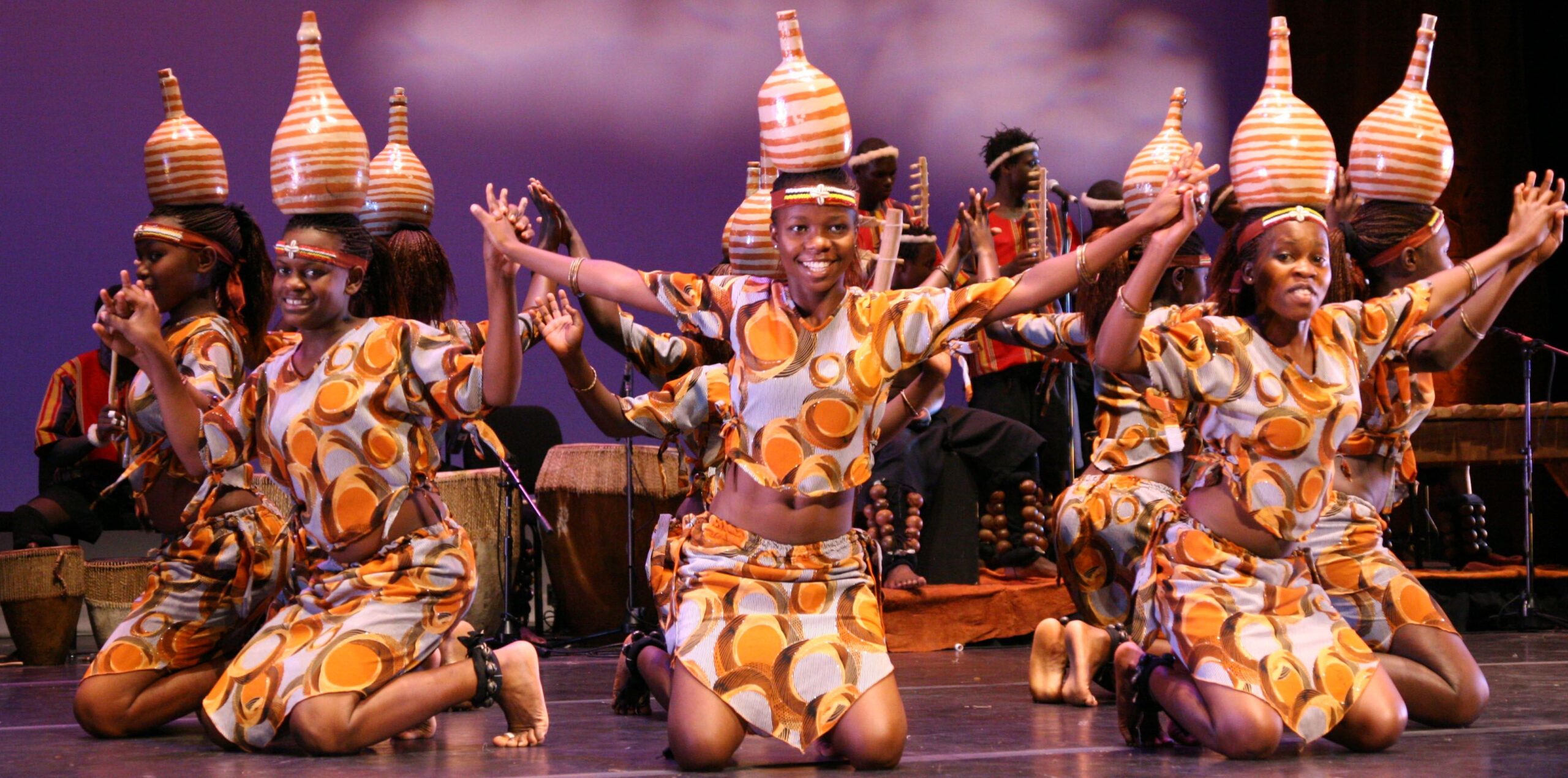
Uganda Cultural Events
Uganda Cultural Events
Uganda Cultural Events: A Journey Through Heritage, Tradition & Celebration
Uganda, often referred to as the “Pearl of Africa,” is not just blessed with natural wonders and wildlife but also a rich tapestry of cultural events that chronicle centuries of tradition, diversity, and community spirit. With more than 50 distinct tribes, each boasting unique languages, customs, and rituals, Uganda offers an immersive cultural journey for travelers and curious minds alike.
In this guide, we dive deep into the most significant cultural events across the country. Whether you’re an enthusiast of authentic cultural expressions or a traveler planning your next adventure with a touch of tradition, Uganda’s events promise to captivate your senses and enrich your understanding of African heritage.
Introduction to Uganda’s Cultural Diversity
Uganda’s cultural depth is anchored in its ethnic diversity. With tribes such as the Baganda, Basoga, Banyankole, Acholi, Iteso, Karamojong, and many others, Uganda thrives as a melting pot of traditions and customs. Each community holds vital ceremonies that define their social identity.
Beyond regional dialects and folklore, cultural events in Uganda manifest through dance, food, attire, initiation rites, and religious practices. These cultural dynamics are not just celebratory displays but pillars of ancestral knowledge and community cohesion.
Key Annual Cultural Festivals in Uganda
1. Nyege Nyege Festival
Arguably Uganda’s most prominent cultural-meets-electronic music festival, Nyege Nyege takes place annually along the shores of the Source of the Nile in Jinja. What started as an underground celebration has transformed into one of Africa’s most vibrant music and cultural showcases.
Highlights:
- African traditional music fused with modern beats
- Art installations and curated cultural exhibitions
- Engages over 300 artists from across the continent
- Offers local cuisine, fashion pop-ups, and storytelling lounges
Best Time to Visit: September
Ideal For: Music lovers, digital nomads, and international tourists interested in Afro-futuristic culture.
2. Imbalu Initiation Ceremony
This significant cultural rite among the Bagisu (or Bamasaba) people takes place in Mbale, Eastern Uganda. The Imbalu is a male circumcision ritual that signifies a boy’s transition to manhood.
What to Expect:
- Public parades, warrior dances, and drumming
- Weeks of preparation, community feasting
- Highly symbolic rituals passed down through generations
Cultural Insight: This ceremony occurs in even-numbered years and is attended by thousands across East Africa.
3. Bagishu Circumcision Ceremonies
Closely tied to the Imbalu, the Bagishu Circumcision event is an enthralling cultural practice held every year in August. Warriors, clad in traditional garb and adorned with feathers, dance through Mbale’s bustling towns to signal their readiness for circumcision.
Why Attend:
- Witness powerful ancestral chants and rituals
- Share in community meals and traditional beer brews
- Engage with elders on oral storytelling customs
4. Royal Coronation Events
Uganda’s cultural richness is further extended through its kingdom systems, particularly the Buganda Kingdom, with its capital in Mengo. Coronation anniversaries such as the Kabaka’s birthday and enthronement anniversaries are filled with:
- Royal parades
- Cultural competitions
- Speeches steeped in Buganda history
- Exhibition of royal regalia
Such occasions are great windows into the pre-colonial systems of governance and societal leadership in Uganda.
5. Bayimba International Festival
This annual festival brings together creatives in theatre, film, music, and art. Hosted on Lunkulu Island, the Bayimba Festival is a scenic getaway that showcases the fusion of modern and traditional creativity.
Attractions:
- Art installations and painting workshops
- African fashion shows
- Poetry slams
- Dance battles and drumming circles
Bayimba not only celebrates artistry but encourages collaboration among local and international artists.
6. Karamoja Cultural Festival
Held in the rugged northeast region, the Karamoja Cultural Festival celebrates the resilience and rich oral history of the Karamojong people. Despite changes brought by modernization, the Karamojong still retain elements of pastoral nomadic life.
Experience Includes:
- Traditional cattle dances and chants
- Storytelling around bonfires
- Local crafts and jewelry exhibitions
- Milking rituals and food preparation demos
This festival bridges visitors to a lesser-known but deeply rooted African heritage.
The Role of Traditions in Ugandan Society
Cultural events in Uganda aren’t just ceremonial; they’re foundational to the societal makeup. Traditions:
- Preserve history through oral transmission
- Offer rites of passage
- Strengthen intergenerational ties
- Reinforce communal unity
Cultural leaders, known as clan heads or elders, are revered and consulted before significant community decisions. This interdependence keeps traditions alive and evolves them in harmony with modern developments.
Cultural Tourism Opportunities
Tourists are increasingly embracing immersive travel experiences, and Uganda stands out as an impeccable destination. Cultural tourism gives travelers:
- Authentic experiences beyond safari parks
- Opportunities to attend traditional weddings
- Access to tribal storytelling nights
- Culinary journeys featuring matooke, luwombo, and malewa
Uganda’s calendar is peppered with events, making it possible to enjoy at least one festival irrespective of your travel schedule.
Unique Experiences with Turkana Wildlife Safaris
Navigating cultural landscapes requires the guidance of seasoned experts who understand both cultural etiquette and storytelling. With Turkana Wildlife Safaris, travelers can:
- Customize packages around cultural festivals
- Visit remote communities with inclusive cultural sensitivity
- Mix wildlife excursions with heritage site tours
- Learn about Uganda’s unique tribes
- Engage in responsible tourism with community contribution
Turkana Wildlife Safaris ensures every cultural experience is respectful, educational, and unforgettable.
FAQs
1. When is the best time to witness Ugandan cultural festivals?
Uganda celebrates cultural events throughout the year. However, major festivals like Imbalu and Nyege Nyege occur between August and September. The dry season is best for travel comfort and road accessibility.
2. Is it possible to combine a safari with a cultural trip?
Yes! Turkana Wildlife Safaris offers blended itineraries combining wildlife tours with cultural events like clan festivals or local markets.
3. Are these events suitable for children?
Many cultural festivals are family-friendly, especially events like Bayimba and Karamoja festivals. Always consult guides beforehand for age-appropriate experiences.
4. Do I need permission to attend traditional rites like Imbalu?
Yes. Certain ceremonies are sacred and require prior approval, often through cultural liaisons or guides affiliated with ethical tour operators.
5. What should I wear to these events?
Modesty is key. Opt for traditional African fabrics when possible, especially kitenge or gomesi, to respect local customs. Operators like Turkana Wildlife Safaris can assist with attire sourcing.
Conclusion
Cultural events in Uganda transcend mere performance — they are the heartbeat of a nation rooted in community, history, and pride. From warrior chants echoing through Mbale to the electrifying sounds of Nyege Nyege, every festival reveals a layer of Uganda’s soul.
If you wish for more than just a holiday, if you yearn to witness African tradition untouched, stories whispered through dance, and rituals told in song — then Uganda’s cultural events await you. And to traverse this vibrant journey with local insight and passion, choosing Turkana Wildlife Safaris ensures an experience of depth and reverence.