
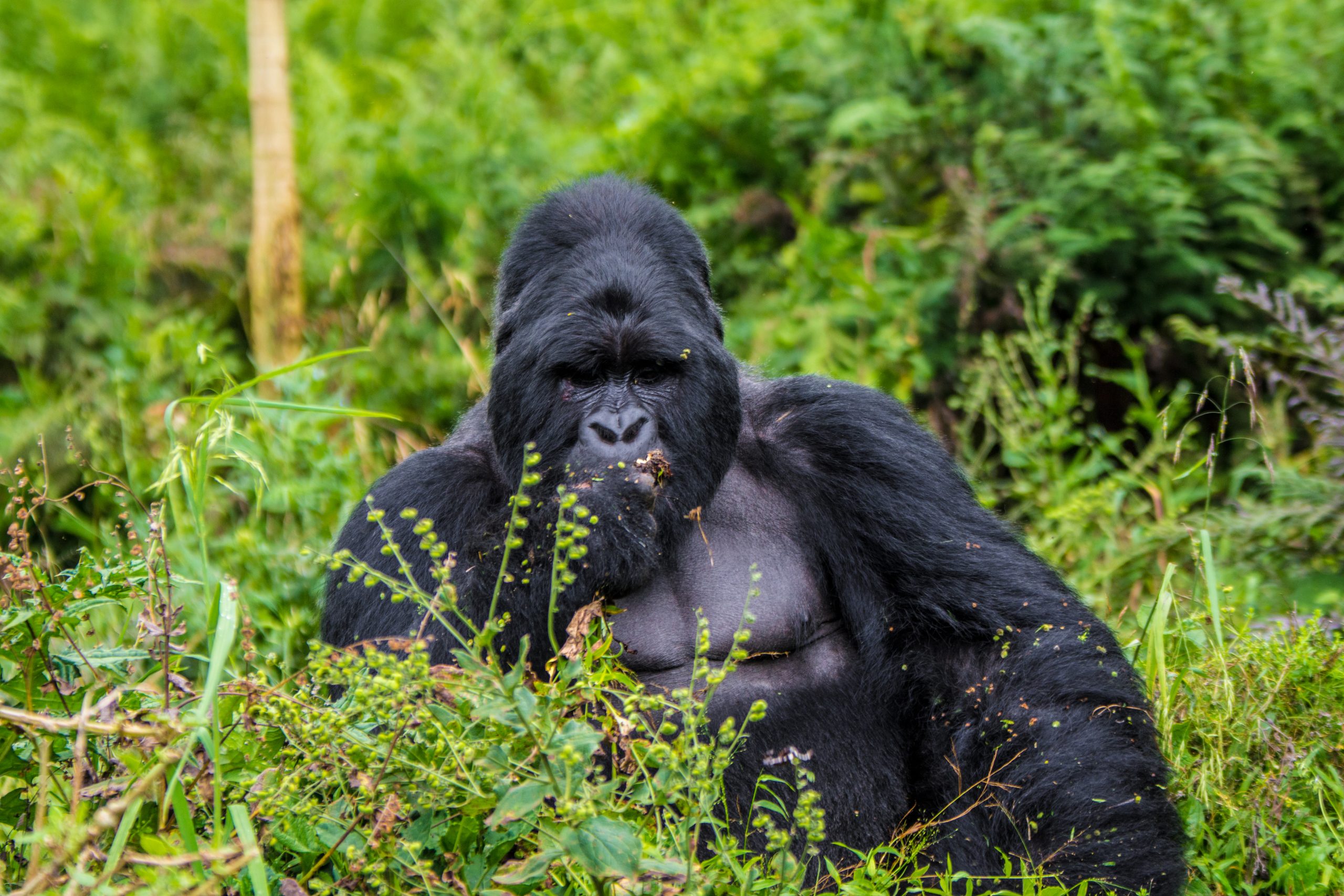
Uganda Bwindi Impenetrable Forest Gorilla Trekking
Uganda Bwindi Impenetrable Forest Gorilla Trekking
Uganda Bwindi Impenetrable Forest Gorilla Trekking: The Definitive Guide to Seeing Mountain Gorillas in the Wild
Few wildlife encounters on Earth rival the quiet intensity of coming face-to-face with a mountain gorilla in its natural habitat. Bwindi Impenetrable National Park—a UNESCO-listed rainforest in southwestern Uganda—offers one of the most profound primate experiences available today: gorilla trekking through ancient, misty slopes where families of gorillas feed, rest, groom, and raise their young.
This guide unpacks everything you need to know for an exceptional and responsible journey—from permits and seasons to trek difficulty, packing, etiquette, and itinerary design—while pointing you toward reliable trip planning resources such as Turkana Wildlife Safaris.
Why Bwindi is the World’s Premier Gorilla Trekking Destination
Bwindi is home to nearly half of the world’s remaining mountain gorillas, protected within a dense mosaic of steep ridges, vine-tangled understory, and towering hardwoods. The park’s biodiversity is extraordinary: rare birds, endemic plants, forest elephants, and a thriving community of primates beyond gorillas.
Key reasons travelers choose Bwindi:
- Exceptional chances of seeing habituated gorilla families
- Multiple trekking sectors to match different logistics and comfort levels
- Strong conservation framework supporting ranger-led tourism
- Possibility to pair gorilla tracking with other Uganda highlights (Queen Elizabeth, Kibale, Lake Bunyonyi)
For a trip built around conservation-friendly operations and expert guiding, explore gorilla planning options via Turkana Wildlife Safaris.
Understanding Gorilla Trekking in Bwindi
Gorilla trekking is a ranger-led hike to locate a habituated gorilla group. Once found, visitors typically spend one hour observing them—an intensely moving window into their social world.
A typical day includes:
- Early morning briefing at the sector headquarters
- Group allocation (usually up to 8 trekkers per gorilla family)
- Trek into the forest (30 minutes to several hours)
- One-hour encounter with the gorillas
- Hike out and certificate presentation
The experience is always different. One day the gorillas may be close; another day they may roam further, requiring a longer trek. That unpredictability is part of the authenticity.
Bwindi’s Gorilla Trekking Sectors: Which One Should You Choose?
Bwindi has several trekking regions, each with its own atmosphere and access routes. Choosing a sector impacts your lodging, road transfer times, and sometimes trek intensity.
1) Buhoma Sector
Often considered the classic gateway to Bwindi, Buhoma has long-established lodges and a strong tourism infrastructure.
Best for:
- First-time visitors
- Travelers who want more lodge options
- Convenient add-ons like community walks
2) Ruhija Sector
Higher elevation and cooler temperatures, with scenic views and rich birdlife.
Best for:
- Birding-focused travelers
- Visitors seeking quieter trails and fewer crowds
3) Rushaga Sector
Known for a larger number of habituated families in the broader area (depending on park allocations).
Best for:
- Permit flexibility (often more permit availability)
- Travelers combining Uganda and Rwanda routes
4) Nkuringo Sector
Remote and dramatic, with steep terrain and outstanding vistas.
Best for:
- Fit travelers who want a more challenging trek
- Those seeking a more secluded feel
For help matching sector choice to your travel style and route, you can consult planners like Turkana Wildlife Safaris, who can align permits, accommodation, and transfers.
Gorilla Permits in Uganda: Costs, Booking, and Strategy
A gorilla permit is mandatory to trek. Permits are limited daily to protect gorillas from stress and to minimize habitat disruption.
What the permit includes
- Ranger guides and trackers
- Park entry for the trek day
- The one-hour gorilla viewing experience
How early should you book?
- High season: book 3–6 months ahead (or more)
- Shoulder/low season: sometimes available closer to travel date
Pro tip: Let your itinerary follow the permit
Because permits dictate where you trek, it’s wise to secure permits first, then shape lodges and route around the confirmed sector.
To streamline the process—from permit reservations to lodging logistics—consider using a dedicated safari operator such as Turkana Wildlife Safaris.
Best Time for Bwindi Gorilla Trekking (Weather, Trail Conditions, Photography)
Bwindi is a rainforest, rain can happen anytime but seasons influence trail conditions and comfort.
Drier months (generally best)
- June to September
- December to February
Benefits:
- Less mud, easier footing
- Better light for photography
- More comfortable hikes
Wet months (lush and quieter)
- March to May
- October to November
Benefits:
- Fewer visitors
- Forest is intensely green and atmospheric
- Sometimes better availability for permits and lodges
If you want the best balance of photography conditions and comfort, aim for the drier windows and book early through a trusted planner like Turkana Wildlife Safaris.
How Hard Is the Trek? Fitness, Altitude, and Terrain
Bwindi trekking difficulty ranges from moderate to demanding. Even “short” treks can involve:
- Steep inclines and descents
- Slippery clay paths after rain
- Dense vegetation
- High humidity
- Altitudes often above 1,400m, with some areas higher
How to prepare
- Walk hills or stairs regularly in the weeks before travel
- Train with a daypack and hiking shoes
- Prioritize mobility and balance (ankles and knees)
Hiring a porter: highly recommended
Porters help carry your daypack and provide a steadying hand on steep terrain. It’s also a direct way to support local livelihoods.
What to Pack for Gorilla Trekking in Bwindi
Packing for Bwindi is about comfort, traction, and protection from rain and insects.
Essentials checklist
- Waterproof hiking boots with strong grip
- Long-sleeve shirt and long trousers
- Lightweight rain jacket or poncho
- Gardening-style gloves (for vines and nettles)
- Gaiters (optional but useful for mud)
- Daypack with water and snacks
- Camera with protective rain cover
- Insect repellent and sunscreen
- Hat and quick-dry layers
Helpful extras
- Trekking poles (or rent locally)
- Dry bag for electronics
- Energy snacks (nuts, bars)
- Small first-aid kit (blister care!)
Gorilla Trekking Etiquette: Rules That Protect Gorillas (and You)
Gorilla trekking is conservation tourism—your behavior matters.
Core rules include:
- Maintain the required distance (often around 7 meters, as directed)
- No flash photography
- Speak softly and move calmly
- Don’t eat near gorillas
- If you’re sick, do not trek (gorillas are vulnerable to human diseases)
- Follow ranger instructions at all times
These rules are not only for safety; they protect gorilla families from stress and illness.
Gorilla Habituation Experience: A Deeper Alternative
Uganda also offers a gorilla habituation experience (available in certain areas), allowing longer time with gorillas (typically up to 4 hours) as researchers and rangers continue habituation work.
Best for:
- Wildlife photographers
- Travelers seeking deeper behavior observation
- Those who want a less “rush” encounter
Because habituation slots are limited, planning early with an experienced operator like Turkana Wildlife Safaris can be valuable.
Sample Itineraries for Bwindi Gorilla Trekking
3-Day Gorilla Trekking Escape (Entebbe → Bwindi → Entebbe)
Day 1: Fly/drive to Bwindi sector, settle into lodge
Day 2: Gorilla trek + community walk or relaxation
Day 3: Return to Entebbe (or continue to another park)
5–7 Day Uganda Primates + Savannah Circuit
- Bwindi gorillas
- Queen Elizabeth National Park (tree-climbing lions, boat cruise)
- Kibale Forest (chimpanzees)
A planner such as Turkana Wildlife Safaris can link these segments smoothly while minimizing long road fatigue.
Photography Tips for Gorilla Trekking in Bwindi
Forest photography is challenging: low light, motion, and contrast.
Tips:
- Use a fast lens if you have one (wide aperture)
- Raise ISO rather than using flash
- Focus on expressions, hands, grooming interactions
- Capture context: vines, mist, and habitat frames
- Keep the camera ready but don’t obsess—presence matters too
Even smartphone photos can be excellent if you stabilize and use available light wisely.
Conservation, Community, and Responsible Travel in Bwindi
Gorilla trekking works because it creates economic incentives for conservation and local community benefit. Your choices can strengthen that impact.
Ways to travel responsibly:
- Hire local porters
- Choose lodges and operators committed to fair employment
- Respect park rules and ranger guidance
- Consider community visits that are ethical and locally led
- Avoid single-use plastics when possible
If you want a structured approach that emphasizes responsible safari operations, review options with Turkana Wildlife Safaris.
Frequently Asked Questions (FAQ)
1) How long does a Bwindi gorilla trek take?
It varies widely—anywhere from 1 to 6+ hours total hiking time depending on gorilla movements, trail conditions, and your allocated group.
2) Are gorilla sightings guaranteed?
Sightings are extremely likely, but not technically guaranteed. Rangers and trackers do an outstanding job locating habituated groups.
3) What should I wear for gorilla trekking?
Wear long sleeves, long trousers, waterproof hiking boots, and a rain layer. Gloves help with vegetation. Neutral colors are ideal.
4) Can children do gorilla trekking in Bwindi?
Uganda generally requires a minimum age (commonly 15 years) for gorilla trekking. Rules can change—confirm at booking time.
5) Is Bwindi gorilla trekking safe?
Yes, when you follow ranger instructions. The gorilla families are habituated, and treks are led by trained professionals.
Plan Your Bwindi Gorilla Trekking Adventure
Bwindi is not simply a destination, it’s a rare privilege. The trek challenges your legs, rewards your senses, and leaves you with a profound respect for one of our closest wild relatives.
If you’d like help arranging permits, choosing the best trekking sector, and building a seamless itinerary, start with a reputable safari planner such as Turkana Wildlife Safaris.
If you tell me your travel month, budget range, and whether you prefer flying or driving to Bwindi, I can propose 2–3 quoted itinerary options (including which sector to target).