
Safari Preparation Guide
Safari Preparation Guide
Safari Preparation Guide for Uganda: The Complete Checklist for a Smooth, Safe & Unforgettable Adventure
Uganda is a rare safari destination where classic savannah game drives meet misty forests, crater lakes, and the once‑in‑a‑lifetime privilege of tracking mountain gorillas. But the very diversity that makes a Ugandan safari extraordinary also makes preparation essential: climates shift quickly, road conditions vary widely, and activities can range from boat cruises to high‑humidity jungle treks—all in one itinerary.
This guide walks you through exactly how to prepare: what to pack, when to go, what permits you need, health and safety considerations, money and connectivity, photography essentials, and practical tips to ensure your trip runs smoothly.
Why Uganda Requires Smart Safari Preparation
Uganda offers multiple safari styles in one country:
- Big game drives in savannah parks
- Boat safaris on major rivers and lakes
- Forest trekking for primates
- Community and cultural encounters
- Birding that rivals top global destinations
A well-planned approach ensures you enjoy these experiences comfortably and responsibly. For itinerary inspiration and local insights, you can explore Uganda safari options with Turkana Wildlife Safaris.
When to Visit Uganda: Seasons, Weather & Safari Planning
Uganda is near the equator, so temperatures are fairly steady, but rainfall patterns matter a lot for trekking and road conditions.
Best times for safari
- Dry seasons: June–August and December–February
- Easier game drives (less mud)
- Better trekking conditions
- Higher demand—book early
Rainy seasons (still possible, often underrated)
- March–May and September–November
- Lush scenery and fewer crowds
- Some roads can become difficult
- Excellent for photography (dramatic skies, green landscapes)
If you’re choosing your travel window around classic wildlife viewing, consider a tailored trip with a specialist operator such as Turkana Wildlife Safaris—local planning is especially useful when mixing parks.
Essential Uganda Safari Documents & Permits
Passport & visa
- Passport validity typically needs 6+ months beyond your travel dates.
- Many travelers use Uganda’s e-visa system (check current rules for your nationality).
Gorilla and chimp permits
If gorilla trekking is on your list, permits can sell out far in advance. These are not add-ons you can reliably “get later.”
Key preparation steps:
- Decide your trekking date early
- Book permits through a trusted safari company
- Keep digital and printed copies of confirmations
For safaris that combine gorilla trekking with wildlife parks like Murchison Falls or Queen Elizabeth, browse sample itineraries at Turkana Wildlife Safaris.
Travel insurance (non-negotiable)
Choose coverage that includes:
- Medical evacuation
- Hiking/trekking activities
- Trip cancellations/interruption
- Lost baggage and camera gear (if relevant)
Health Prep: Vaccinations, Malaria & Fitness
Vaccinations & certificates
Common requirements/recommendations may include:
- Yellow fever (often required for entry and border crossings)
- Hepatitis A/B, Typhoid, Tetanus, etc.
Always verify with a travel clinic for your itinerary.
Malaria prevention
Uganda is a malaria-risk destination in many areas. Combine:
- Antimalarial medication (per medical advice)
- Long sleeves/trousers at dusk
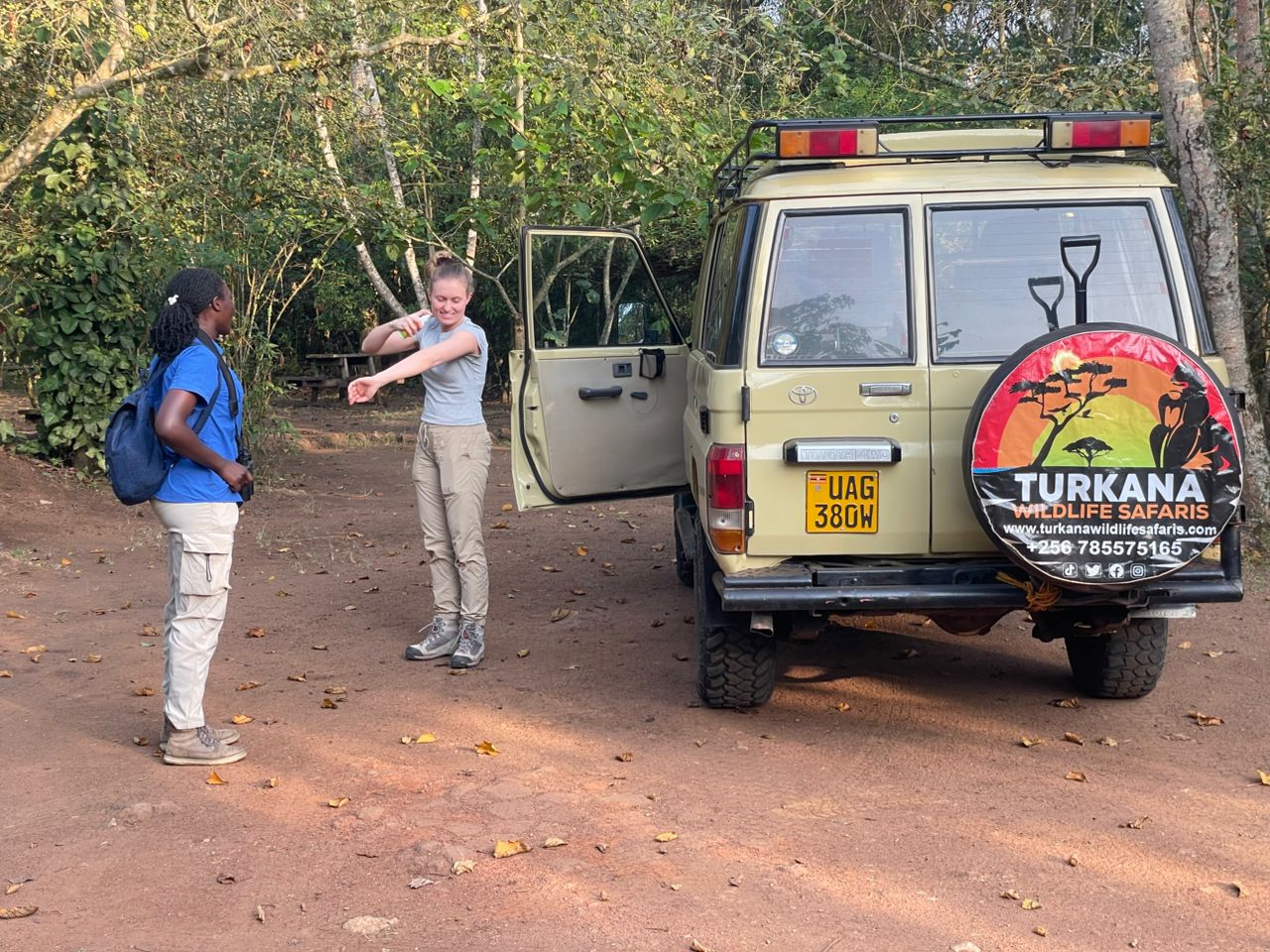
- Repellent with DEET/picaridin
- Sleeping under nets where provided
Fitness for trekking
Gorilla and chimp trekking can be demanding—steep, muddy, humid terrain. Preparation helps:
- Walk/hike regularly before your trip
- Break in hiking boots early
- Pack blister care and electrolytes
What to Pack for a Uganda Safari
A smart pack list balances lightweight comfort with practical protection.
Safari clothing essentials
- Neutral-colored shirts (quick-dry recommended)
- Lightweight long pants
- A fleece or light jacket (cool mornings)
- Wide-brim hat or cap
- Swimsuit (some lodges have pools)
Gorilla/chimp trekking gear
- Hiking boots with good grip
- Gaiters (excellent for mud and ants)
- Garden gloves (for grabbing vegetation on steep trails)
- Long socks and long sleeves
- Rain jacket/poncho (weather changes fast)
Health & comfort items
- Insect repellent
- Sunscreen and lip balm
- Rehydration salts/electrolytes
- Personal medications + prescription copies
- Hand sanitizer and wet wipes
Gear & electronics
- Binoculars (highly recommended)
- Camera + extra batteries and memory cards
- Dry bag or waterproof cover
- Power bank
- Universal travel adapter
Quick “don’t forget” items
- Headlamp/torch
- Small daypack for drives and hikes
- Reusable water bottle
- Copies of passport/visa and permits
Money, Tipping & Practical Payments in Uganda
Currency
Uganda uses the Ugandan Shilling (UGX). Major hotels and some operators accept USD, but small purchases often require local currency.
Cards and cash
- Cities may accept cards, but rural areas often do not.
- ATMs are available, yet sometimes unreliable—carry backup cash.
Tipping guidelines (general)
Tipping varies by lodge and activity, but common areas include:
- Safari guide/driver
- Lodge staff
- Trekking guides and porters
Tip in a way that matches service quality and your comfort level.
How to Choose the Right Safari Vehicle & Logistics
Uganda’s road network includes paved highways and rugged park tracks. Your vehicle choice affects comfort and safety.
Recommended vehicle type
- A 4×4 safari vehicle (often with pop-up roof) is ideal for game viewing.
- For some routes, especially in rainy seasons, 4×4 becomes essential.
A local operator familiar with road conditions can make the difference between a smooth adventure and avoidable delays—see examples of Uganda travel planning through Turkana Wildlife Safaris.
Park Highlights to Consider in Your Itinerary
Uganda’s major safari regions each offer something distinct.
Murchison Falls National Park
- Big game drives
- Nile boat cruise
- One of the most dramatic waterfall systems in Africa
Queen Elizabeth National Park
- Diverse habitats
- Kazinga Channel boat safari
- Tree-climbing lions (Ishasha sector)
Bwindi Impenetrable Forest
- Mountain gorilla trekking
- Dense forest trails and rich biodiversity
Kibale Forest
- Chimpanzee tracking
- Exceptional primate variety
To combine these smoothly, it helps to follow proven route planning—browse Uganda safaris curated by Turkana Wildlife Safaris.
Photography Tips for Uganda Safaris
Wildlife photography basics
- Use a fast shutter speed for action
- Early morning and late afternoon offer best light
- Bring a lens cloth—dust and humidity are real
Gorilla trekking photography rules
- Flash is typically not allowed
- Keep distance and follow ranger guidance
- Humidity can fog lenses—use a dry bag or silica packs
Responsible Travel: Etiquette & Conservation
Uganda’s wildlife experiences are tightly linked to conservation and community benefit. You can support this by:
- Following ranger instructions during treks
- Avoiding loud behavior near wildlife
- Staying on designated tracks
- Respecting local communities (ask before photographing people)
- Using refillable bottles where possible
Choosing operators who emphasize ethical wildlife viewing strengthens long-term protection of these ecosystems.
FAQ: Uganda Safari Preparation
1) How far in advance should I book a Uganda safari?
For peak seasons and gorilla trekking, it’s best to book 6–12 months ahead, especially for prime trekking dates.
2) Do I need special boots for gorilla trekking?
Yes—sturdy hiking boots with ankle support and strong grip are strongly recommended due to mud, steep slopes, and wet vegetation.
3) Is Uganda safe for tourists on safari?
Most safari circuits are safe when guided responsibly. Use common travel precautions and book with reputable operators who manage logistics, timing, and route planning.
4) What’s the best way to combine wildlife safaris and gorilla trekking?
A common route pairs Queen Elizabeth (savannah wildlife and boat safari) with Bwindi (gorillas). Many travelers also add Murchison Falls or Kibale for chimps.
5) Should I hire a porter for gorilla trekking?
Yes, if you can—porters help with balance, carrying daypacks, and navigating steep terrain. It also directly supports local livelihoods.