
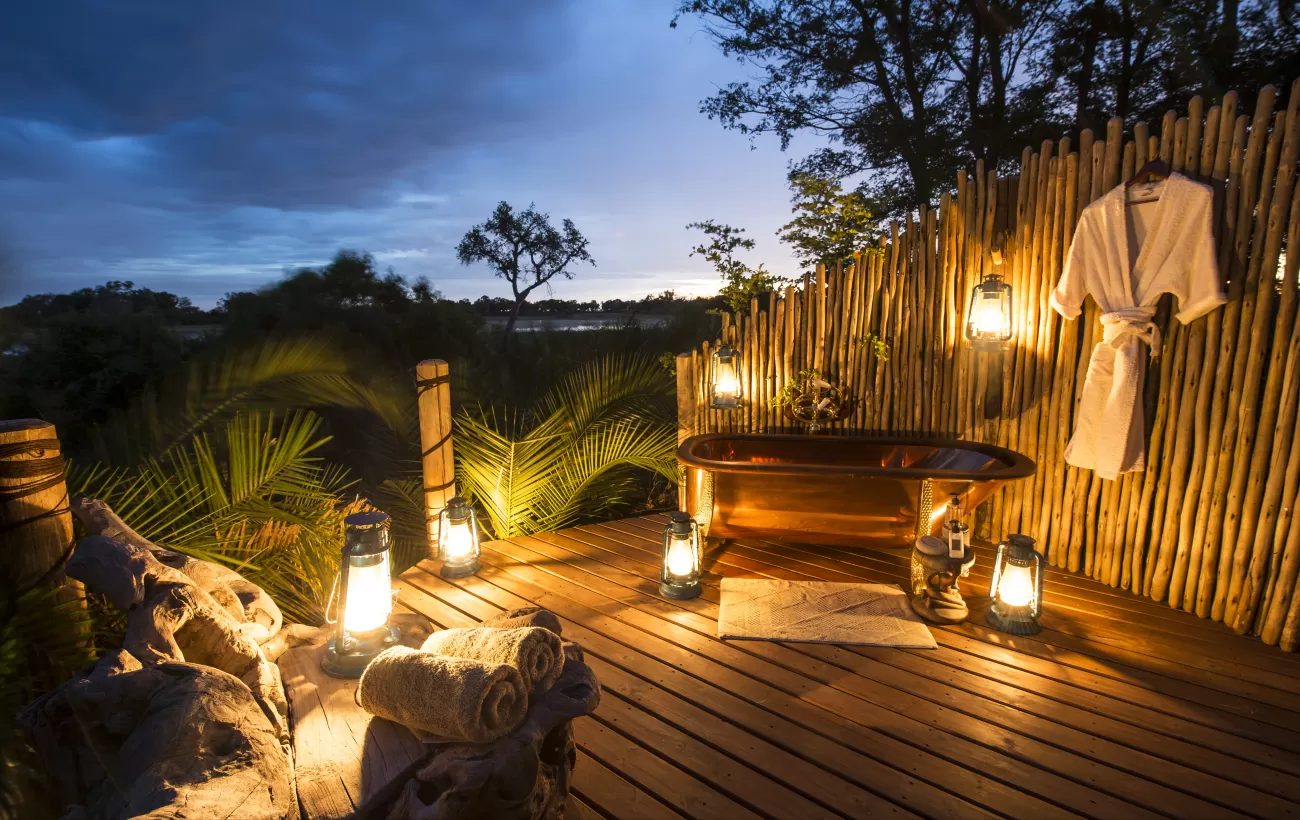
Safari Lodges and Camps
Safari Lodges and Camps
Safari Lodges and Camps in Uganda: The Definitive Guide to Iconic Stays, Wild Encounters, and Seamless Planning
Uganda is a rare kind of safari destination—lush, water-rich, and astonishingly diverse. In a single itinerary, you can track mountain gorillas in misty montane forests, cruise along a hippo-filled channel, and watch lions rise from golden savannah grass as the sun burns off the morning haze. Yet the where you stay matters almost as much as what you see. The right lodge or tented camp doesn’t simply give you a bed—it shapes your access to wildlife, the rhythm of your days, and the intimacy of your encounters.
This guide explores Uganda’s best safari lodges and camps, organized by major national parks and safari circuits. You’ll also find planning tips, what to look for when choosing accommodations, and a practical FAQ. For customized trip design and lodge pairing, consider working with a specialist operator such as Turkana Wildlife Safaris, who can align your accommodation style with your wildlife priorities and travel pace.
Why Uganda’s Safari Lodges and Camps Stand Out
Uganda’s accommodation landscape is impressively varied—ranging from rustic bush camps to refined, eco-forward lodges with elevated service. What sets Uganda apart is the proximity of habitats and the range of safari experiences:
- Primate trekking in Bwindi and Mgahinga
- Classic game drives in Murchison Falls, Queen Elizabeth, and Kidepo Valley
- Boat safaris on the Nile and Kazinga Channel
- Birding excellence across wetlands and forest edges
- Community and conservation-led stays that directly support local livelihoods
If your goal is to combine experiences seamlessly, a tailored plan via a Uganda-focused outfitter like Turkana Wildlife Safaris often helps you avoid logistical friction while securing strong lodge locations.
How to Choose the Right Safari Lodge or Camp in Uganda
1) Location: It’s Not Just a Map Pin
A lodge near a park gate can save you hours of driving. In places like Bwindi, even lodges within the same “park” can sit far from your trekking sector—so matching lodge to permit sector is critical.
2) Style: Tented Camp vs Lodge
Uganda delivers both:
- Tented camps: closer-to-nature feel, often smaller and more intimate
- Safari lodges: larger facilities, more amenities, consistent comfort
3) Budget vs Value
Uganda has excellent midrange properties that feel boutique, plus a top tier of luxury options with exceptional guiding and design.
4) Season and Access
Rain impacts road conditions in some remote areas. In the wettest months, certain camps become harder to reach—your operator should plan routing carefully. You can explore seasonality and routing options with Turkana Wildlife Safaris.
Safari Lodges and Camps by Destination
Murchison Falls National Park: Big Water, Big Wildlife
Murchison Falls is Uganda’s most dramatic blend of Nile scenery, savannah game, and iconic boat safari. It’s ideal for first-time Uganda travelers because it’s scenic, accessible, and packed with wildlife.
What to Expect Here
- Boat trip to the base of the falls: elephants, hippos, crocs
- Game drives in the northern sector: lions, giraffes, antelope
- Chimp tracking in Budongo Forest (nearby)
Accommodation Styles You’ll Find
- Riverside lodges with panoramic decks
- Tented camps overlooking floodplains
- Midrange options near key access points
Plan a Murchison itinerary with a specialist like Turkana Wildlife Safaris if you want to combine the falls, boat safari, and Budongo chimp experiences efficiently.
Queen Elizabeth National Park: The Classic Uganda Safari Circuit
Queen Elizabeth is a cornerstone of Uganda safaris: diverse ecosystems, strong predator sightings in the right areas, and one of East Africa’s most satisfying boat cruises.
Signature Experiences
- Kazinga Channel boat safari (hippos, elephants, abundant birdlife)
- Game drives across open plains and crater areas
- Tree-climbing lions in the Ishasha sector (seasonal, but iconic)
Lodging Advantages
Queen Elizabeth offers a wide range—from high-end lodges with sweeping views to smaller camps that feel more secluded.
If you want to link Queen Elizabeth to Bwindi smoothly, a curated plan through Turkana Wildlife Safaris can help you choose the best overnight points for minimal backtracking.
Bwindi Impenetrable National Park: Gorilla Trekking and Forest Luxury
Bwindi is the spiritual heart of Uganda’s wildlife travel—dense, dramatic, and life-changing. The lodge you choose here deeply influences your comfort, trekking logistics, and morning transfer times.
Key Bwindi Planning Detail: Trekking Sectors
Bwindi is divided into trekking sectors (e.g., Buhoma, Ruhija, Rushaga, Nkuringo). Your lodge should match your permit sector whenever possible.
What Lodges Here Typically Offer
- Early breakfasts timed for trekking briefings
- Packed lunches for post-trek recovery
- Forest-facing verandas and fireplaces (Bwindi evenings can be cool)
- Massage or wellness add-ons at premium properties
To avoid mismatched locations, coordinate permits + lodge pairing through an operator such as Turkana Wildlife Safaris, especially in peak travel months when inventory tightens.
Mgahinga Gorilla National Park: Quiet, Scenic, and Underrated
Smaller and often less crowded than Bwindi, Mgahinga sits in the shadow of the Virunga volcanoes. It’s excellent for travelers who want gorilla tracking with a “rare gem” feel.
Top Reasons to Stay Here
- Striking volcanic landscapes
- Potentially fewer visitors
- Golden monkey trekking (a standout extra experience)
Mgahinga works especially well when combined with Lake Mutanda-area stays and then onward to Bwindi or Rwanda, depending on border logistics.
Kidepo Valley National Park: Uganda’s Remote Masterpiece
Kidepo is the wild frontier—distant, spectacular, and profoundly rewarding. If you crave a safari that feels far from the mainstream, Kidepo delivers.
What Makes Kidepo Different
- Vast landscapes and big skies
- Unique wildlife mix (relative to southern parks)
- A feeling of true remoteness
Because access can be challenging, good planning is essential—whether by air or long overland routes. A custom Kidepo design from Turkana Wildlife Safaris can help you balance travel time against time in the park.
Lake Mburo National Park: Short Drives
Lake Mburo is often used as:
- A gentle start or finish to a Uganda safari
- A convenient stop between Entebbe/Kampala and the southwest (Bwindi/Queen Elizabeth)
Ideal For
- Relaxed game drives and nature walks
- A calmer safari rhythm
- Birding and scenic lakeside moments
It’s a strong choice for travelers who want a softer landing between intensive trekking and longer drives.
Jinja & Entebbe: Smart Stopovers Before/After Safari
While not “traditional safari parks,” both are valuable:
- Entebbe: practical pre-safari rest, lake views, easy airport access
- Jinja: adventure (rafting, river excursions) and a fun change of pace
These stopovers can transform your itinerary from “parks only” into a richer Uganda story.
The Best Uganda Safari Lodge Features to Look For
When comparing properties, prioritize details that shape your daily comfort:
- Proximity to activity start points (especially gorilla trekking briefings)
- Private bathrooms with reliable hot water
- Early breakfast + packed lunch options
- Laundry services (important in humid/rainy seasons)
- On-site guiding support and coordinated wake-up schedules
- Backup power for charging cameras and devices
- Eco practices (solar, waste management, reduced plastics)
If you’re unsure what matters most for your route, a safari planner like Turkana Wildlife Safaris can recommend lodge profiles based on your priorities (photography, romance, family travel, birding, etc.).
Suggested Uganda Safari Itineraries (Lodge-First Planning)
7–8 Days: Signature Uganda Highlights
- Murchison Falls (game drives + Nile cruise)
- Transfer to Queen Elizabeth (Kazinga boat safari)
- Bwindi (gorilla trekking)
This is the “three-act” classic that balances variety and feasibility.
10–12 Days: Add Depth and Comfort
- Murchison Falls + Budongo chimps
- Queen Elizabeth (extra game drive sessions)
- Ishasha (tree-climbing lions zone)
- Bwindi gorillas
- Lake Mburo (decompression)
A longer itinerary allows for better pacing and more meaningful lodge time.
14+ Days: The Full Uganda Canvas
- Add Kidepo for remote wilderness
- Add Mgahinga for golden monkeys
- Include Jinja or Entebbe leisure days
For complex routing, working with Turkana Wildlife Safaris helps optimize travel time, permits, and lodge availability.
Practical Packing Tips for Lodges and Camps
Bring items that support comfort in forest and savannah settings:
- Neutral safari clothing in layers
- Light rain jacket (Bwindi and shoulder seasons)
- Sturdy walking shoes for trekking
- Power bank + universal adapter
- Dry bag for boat activities
- Insect repellent and sunscreen
- Binoculars for birding and distant wildlife
Many lodges provide walking sticks for trekking, but don’t assume—confirm in advance.
Sustainability and Community Impact: Choosing Responsible Stays
Uganda has a growing ecosystem of lodges that invest in:
- Local employment and training
- Community projects (education, water access, health)
- Habitat protection and low-impact operations
Ask your lodge or safari planner how your stay contributes locally. Operators such as Turkana Wildlife Safaris can also help you choose properties aligned with responsible tourism goals.
Frequently Asked Questions (FAQ)
1) What’s the best area in Uganda for luxury safari lodges?
For a mix of scenery, wildlife, and higher-end properties, Queen Elizabeth and Bwindi tend to lead—especially because gorilla trekking drives demand for exceptional standards.
2) Should I stay inside the park or just outside?
Inside can mean faster access and a more immersive feel, but “outside” isn’t automatically worse. What matters is drive time to activities, road conditions, and the lodge’s exact location.
3) Do Uganda safari camps have Wi‑Fi?
Many do, but speed and reliability vary—especially in remote parks. Treat Wi‑Fi as a bonus, not a guarantee.
4) How far in advance should I book lodges for gorilla trekking?
For peak periods, several months ahead is wise—permits and the best-located properties can sell out. A planner like Turkana Wildlife Safaris can secure permits and match lodging to sectors.
5) Can I combine Uganda lodges with Rwanda or Kenya extensions?
Yes. Many travelers combine Uganda gorillas with Rwanda’s Kigali stopover or Kenya/Tanzania savannah circuits. The key is coordinating border logistics, flight timing, and permit dates.
Final Thoughts: The Right Lodge Turns a Good Safari Into a Great One
Uganda rewards travelers who plan thoughtfully. When your lodge is well-positioned, your days feel effortless—early starts are smoother, transfers are shorter, and you return from treks and drives to a place that restores you.
If you want help selecting the best safari lodges and camps in Uganda for your budget and wildlife goals, explore itinerary planning with Turkana Wildlife Safaris and align your stays with the experiences that matter most.