
Laikipia Wilderness Safaris
Laikipia Wilderness Safaris
Laikipia Wilderness Safaris: An Expert Guide to Kenya’s Wild North.
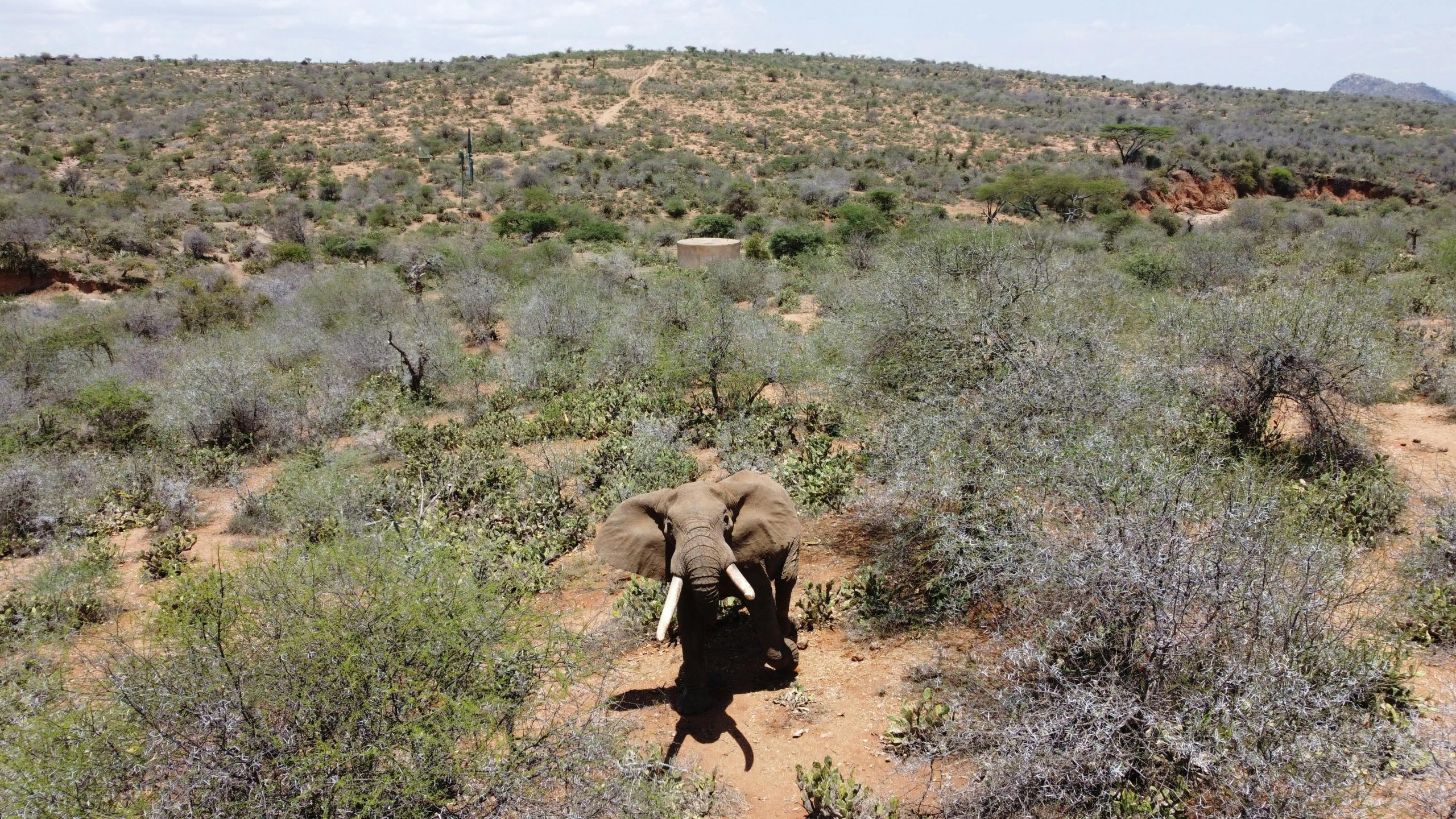
Laikipia is where Kenya’s safari story becomes more intimate, more textured, and—if you choose well—more meaningful. This vast plateau north of Mount Kenya blends big-game viewing with community conservancies, dramatic escarpments, riverine forests, and a conservation model that often feels like the future of African travel. Unlike the crowded circuits, Laikipia wilderness safaris deliver space: space to track predators on foot, to ride horseback past giraffes, to watch elephants in privacy, and to sleep in places where the night is still properly dark.
Why Laikipia Is Different: A Safari Landscape Built on Conservancies
Laikipia is not one park with one gate. It’s a patchwork of privately and communally managed lands—conservancies, ranches, and community areas—where wildlife protection and local livelihoods are structurally linked. That matters for you as a traveler because it shapes the experience:
- Lower vehicle density than many national parks
- Flexible activities (walking, horseback, camel trekking, night drives where permitted)
- Conservation-first tourism that funds rangers, habitat protection, and community benefits
- Rare species and high predator density in several areas
If you’re comparing north versus south Kenya circuits, Laikipia often wins on variety and authenticity.
What You’ll See on Laikipia Wilderness Safaris (Wildlife Highlights)
Laikipia is famous for both diversity and rarity. Depending on the conservancy, you may encounter:
Signature species
- Elephant herds (often relaxed and habituated)
- Lion, leopard, cheetah, hyena
- Reticulated giraffe (in the northern fringes)
- Grevy’s zebra (endangered)
- African wild dog (sporadic but present in some zones)
Special conservation stories
Several Laikipia conservancies have become critical sanctuaries for rhino protection and endangered species recovery. If you want a safari that feels like participation—not just observation—Laikipia delivers.
For broader Kenya safari context and routes that can connect Laikipia with other regions, see:
- Kenya Safaris (start here and navigate to relevant sections)
Best Time to Visit Laikipia (Seasons, Weather, and Photography)
Laikipia is enjoyable year-round, but your priorities matter.
Dry seasons (best for classic game viewing)
- June to October: excellent visibility, easier tracking, fewer mosquitoes
- January to February: hot, clear, great photography light
Green seasons (best for drama, birds, and value)
- March to May (long rains): lush landscapes, fewer visitors, occasional heavy showers
- November to December (short rains): fresh scenery, strong birdlife, good deals
Photography tip: Laikipia’s open terrain and golden light can be extraordinary—especially around river corridors at dawn and dusk.
Where to Go in Laikipia: Choosing the Right Area
Laikipia is broad, and each zone has a distinct feel. The “right” choice depends on what you want: rhino, walking safaris, horses, community experiences, or pure seclusion.
Popular conservancy styles
- High-end private conservancies: maximum privacy, top guiding, premium camps
- Community conservancies: strong cultural connection, impactful tourism
- Mixed wildlife ranch lands: huge spaces and varied activities
If you’re unsure how to choose, a good operator will match you to a conservancy based on:
- preferred activities (walking? horseback? night drives?)
- comfort level
- wildlife priorities
- travel time from Nairobi or Samburu
Things to Do Beyond Game Drives (Laikipia’s True Competitive Advantage)
Many travelers don’t realize that Laikipia’s real magic is how you safari. The region is one of Kenya’s best for activities that most national parks restrict.
1) Walking safaris (track, learn, and slow down)
On foot, you read the landscape—spoor, scents, alarm calls, dung, wind direction. The experience is more intelligent than adrenaline-fueled, and it creates a deeper memory.
Ideal for: experienced safari-goers, photographers, naturalists.
2) Night drives (where permitted)
Nocturnal species bring a different dimension: aardvark, genet, civet, porcupine, bush babies, and active predators.
3) Horseback safaris (iconic in Laikipia)
Seeing wildlife from horseback reduces the “vehicle barrier” and can feel incredibly cinematic. This is one of Laikipia’s hallmark experiences.
4) Camel trekking and cultural encounters
In some areas, camels offer a quiet, traditional way to cross large landscapes, often paired with community storytelling and local knowledge.
5) Fly camping and wilderness sleep-outs
For those who want maximum immersion: simple camp, vast sky, minimal infrastructure—high impact, low footprint.
To discuss what’s feasible and where (as rules vary by conservancy), start with:
- Turkana Wildlife Safaris (inquiry and trip design)
Sample Itineraries: How to Build a Laikipia Safari That Flows
Below are practical itinerary shapes that work well for real travelers.
3–4 Days: Laikipia-only immersion
Best if you:
- want deep guiding and varied activities
- prefer one camp to reduce travel friction
Outline
- Day 1: Nairobi → Laikipia (drive or fly) + sundowner
- Day 2: walking safari + afternoon drive
- Day 3: night drive + community visit
- Day 4: departure
6–8 Days: Laikipia + Samburu (a powerful northern pairing)
Samburu adds arid drama and “special” species like gerenuk and Beisa oryx.
Outline
- 3–4 nights Laikipia
- 3–4 nights Samburu / nearby reserves
- optional stop at Mount Kenya region
9–12 Days: Northern Kenya circuit (Laikipia + Samburu + Lake Turkana)
If you want a bolder, more remote journey, you can extend north toward Turkana for landscapes and cultural depth that feel genuinely frontier.
Start planning the northern extension through:
How to Get to Laikipia (Logistics That Matter)
By road
- From Nairobi: roughly 3.5–6 hours, depending on location and road conditions
- Great if you want scenic travel and stops
By air
- Scheduled and charter flights land at several regional airstrips
- Best for shorter trips or premium itineraries
Planning tip: If you’re combining Laikipia with multiple regions, flights can save a full day of transit.
For itinerary coordination support, consult:
Where to Stay: Camps, Lodges, and the “Right” Level of Luxury
Laikipia offers a wide spectrum—from refined, design-forward eco-lodges to classic tented camps to adventurous fly-camping.
When choosing, evaluate:
- Conservancy rules (night drives? walking? off-road?)
- Guide quality and ranger presence
- Water access (rivers attract wildlife)
- Privacy (number of beds and vehicles)
- Community benefits (transparent impact)
If you share your dates, group size, and priorities, a specialist can match the right camp and conservancy combination. Start here:
Responsible Travel in Laikipia (How to Safari Without Extracting)
Laikipia’s conservation model thrives when tourism is done well. Practical ways to keep your trip positive:
- Choose camps with verifiable community partnerships
- Respect wildlife space (no pushing for “the shot”)
- Use guides trained in ethical tracking and viewing
- Ask where conservancy fees go (good operators can explain clearly)
Packing List for Laikipia Wilderness Safaris (Concise and Practical)
Essentials
- Neutral clothing (dust-friendly colors)
- Light jacket for cool mornings/evenings
- Hat + sunscreen + lip balm
- Binoculars (a real upgrade here)
- Insect repellent
- Refillable water bottle
For walking safaris
- Comfortable closed shoes
- Long pants (thorn protection)
- Small daypack
For photographers
- Dust protection for lenses
- Beanbag (great for vehicle shooting)
- Extra batteries (cold mornings drain them faster)
FAQ: Laikipia Wilderness Safaris
1) Is Laikipia good for first-time safari travelers?
Yes—especially if you want fewer crowds and a more flexible experience. It’s also excellent for families if the camp is child-friendly and activities are tailored safely.
2) Can I do walking safaris in Laikipia?
In many conservancies, yes. Walking is one of Laikipia’s defining strengths, typically led by expert guides and armed rangers where required.
3) Will I see the Big Five in Laikipia?
You can see lion, leopard, elephant, and buffalo in parts of Laikipia. Rhino viewing depends on the specific conservancy and security protocols, but Laikipia is important rhino habitat in Kenya.
4) How many days do I need in Laikipia?
Minimum 3 nights is recommended. With 4–5 nights, you can add walking, night drives (where allowed), cultural visits, and still have unhurried game viewing.
5) Can I combine Laikipia with Lake Turkana?
Yes, and it’s one of the most compelling “northward” extensions you can do in Kenya. For help designing that route, use: