
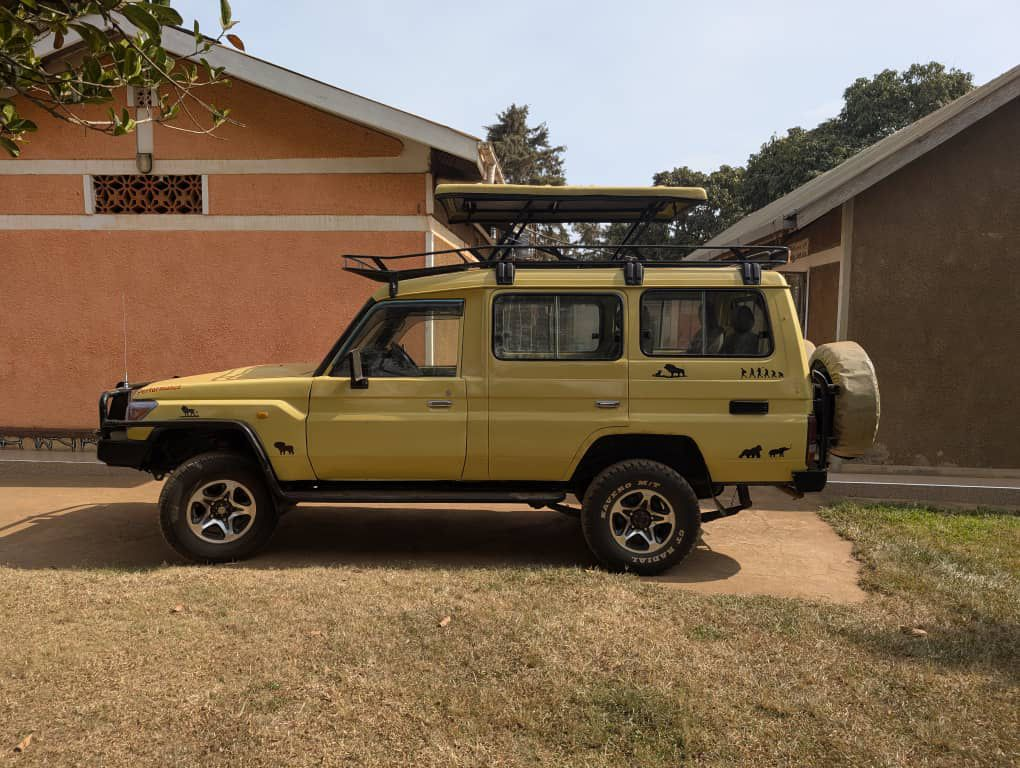
Uganda Self Drive Options
Uganda Self Drive Options
Uganda Self-Drive Options
Uganda is one of Africa’s most rewarding destinations for independent travel: compact distances (by regional standards), a mosaic of landscapes, and a rare mix of savannah game drives, primate trekking, crater lakes, and Nile adventures. Choosing the right self-drive format is the difference between a smooth, confident journey and a trip that feels like a daily negotiation with roads, weather, and logistics. This guide breaks down the most practical Uganda self-drive options what they include, who they suit, and how to structure them for a safe, efficient, and unforgettable road-based safari.
If you want a starting point for vehicle planning, routing support, and safari-ready logistics, explore Uganda safari solutions from a specialist operator that understands the region’s road realities.
Why Uganda is ideal for self-driving
Self-driving in Uganda delivers a level of freedom that guided tours can’t match: linger at a viewpoint, adjust your schedule around weather, or add an extra crater-lake walk without needing to renegotiate an itinerary.
Key advantages:
- Route flexibility across national parks, lakes, and cultural sites
- Budget control by choosing accommodation tiers and pace
- Deeper immersion through local stopovers, markets, and viewpoints
- Photographic freedom: you decide when to stop and how long to wait
To compare safari formats (self-drive vs guided), you can start at a broader Uganda safari planning hub and then refine by region and style.
Option 1: Classic self-drive (you drive, you plan)
This is the purest form of independent travel: you rent a vehicle and independently arrange your lodging, park permits, and routing.
Best for:
- Experienced overland drivers
- Travelers with time to research logistics
- People comfortable navigating road conditions and fuel planning
What you’ll manage yourself:
- Park entry payments and rules
- Accommodation bookings
- Route planning and real-time detours
- Vehicle recovery decisions if something goes wrong
If you prefer independence but want a backup resource, consider starting with an operator that offers destination guidance and vehicles suitable for national park tracks see Turkana Wildlife Safaris for a baseline.
Option 2: Self-drive with pre-booked itinerary (you drive, experts book)
This is one of the smartest “middle paths”: you drive your own vehicle, but a safari planner pre-arranges the framework—lodges, park sequencing, and timing.
Best for:
- First-time Uganda self-drivers
- Travelers with limited planning time
- Couples/families who want smoother logistics
Typical inclusions:
- Confirmed accommodation itinerary
- Park sequencing that minimizes backtracking
- Advice on realistic drive times
- Emergency assistance channel
This format often produces the best balance between freedom and risk management. Start exploring itinerary-based approaches via Uganda safari options.
Option 3: Guided backup self-drive (lead car support)
In this hybrid model, you drive your own vehicle but travel with a lead guide vehicle (sometimes only for select segments). It’s less common, but valuable in complicated regions or for multi-vehicle groups.
Best for:
- Travelers who want independence but extra confidence
- Small convoys or photographic groups
- Multi-country trips where border and route complexity increases
Benefits:
- Faster problem-solving for road or navigation issues
- Local knowledge for safe stops and viewpoints
- Easier wildlife spotting on game tracks
To discuss supported self-drive logistics, begin with a safari planner at Turkana Wildlife Safaris.
Option 4: Self-drive with a driver-guide (vehicle + driver, you keep flexibility)
Not technically self-drive but many travelers ask for self-drive “options” and end up choosing this because it retains flexible pacing while eliminating the stress of local driving.
Best for:
- Travelers who want to focus on wildlife and photography
- People uncomfortable with rough road segments
- Anyone visiting during heavy rain months
Strong advantages:
- Local driving expertise (mud, ruts, night driving avoidance)
- Navigation and security awareness
- Wildlife interpretation during game drives
If you’d like to compare this to true self-drive, review the broader safari travel services available.
Option 5: Fly-in + self-drive (regional flights + road loops)
This “modular” approach uses short domestic flights to reduce long road transfers, then self-drive in the region you care most about.
Best for:
- Short trips (7–10 days)
- Travelers prioritizing one or two key parks
- People who want self-drive without marathon transfer days
Common structure:
- Fly to western Uganda region
- Self-drive a loop of parks (e.g., savannah + primates)
- Fly back to Entebbe/Kampala region
This is often the highest comfort-to-adventure ratio.
The best Uganda self-drive circuits
1) Western Uganda “Prime Parks” loop
A high-impact route linking savannah wildlife and primate experiences.
Typical highlights:
- Murchison Falls (Nile + game drives)
- Kibale Forest (chimp tracking area)
- Queen Elizabeth (savannah + channels)
- Bwindi (gorilla trekking area)
For a professional route build-out, start with Uganda itineraries and adapt the pacing.
2) Murchison Falls-focused self-drive
Ideal if you want strong wildlife value without crossing the entire country.
What makes it great:
- One of Uganda’s best big-game zones
- Strong scenery along the Nile
- Good for 4–6 day short circuits
You can begin planning through Uganda safari packages, then tailor to self-drive.
3) Primate-centric route (chimp + gorilla emphasis)
Designed around trekking schedules, which are time-sensitive and permit-based.
Key planning considerations:
- Trek days must be protected from long drives
- Buffer days for weather and road delays
- Accommodation should be close to trekking points
Use a specialist planner to ensure timing is realistic start at Turkana Wildlife Safaris.
Vehicle choices: what to drive and why it matters
Recommended vehicle classes
- 4×4 with high clearance (best all-round)
- Rooftop tent setups (for adventure camping circuits)
- Land Cruiser-type builds (for park tracks and rougher seasons)
Features to prioritize
- Real 4WD (not just AWD)
- Good tires and at least one full spare
- Recovery basics (jack, tow strap, traction aids)
- Functional AC (long transfer comfort)
If you want an operator-aligned vehicle that matches Uganda’s park-road realities, begin with Turkana Wildlife Safaris.
Self-drive safety and road realism in Uganda
Uganda is very doable for self-driving—but not if you treat drive times like European road trips.
Core rules that keep trips smooth:
- Avoid night driving (visibility + livestock + unlit vehicles)
- Start early and cap daily driving hours
- Drive slower than you think you should on uneven surfaces
- Keep fuel buffers (don’t run near empty outside cities)
- Use offline navigation and ask locally when uncertain
Planning your self-drive itinerary like a pro (without wasting days)
A practical planning checklist
- Choose 1–2 “anchor experiences” (e.g., gorillas, Murchison game drives)
- Map the loop to minimize backtracking
- Add buffer time for rain or road construction
- Align lodge locations with early-morning park entry
- Keep the last day easy for return to Entebbe/Kampala
For professional sequencing support, refer to Uganda travel planning.
Budgeting your Uganda self-drive
Costs vary widely depending on whether you camp, use midrange lodges, or go premium. Key cost buckets include:
- Vehicle rental and insurance
- Fuel (major variable depending on loop distance)
- Accommodation
- Park entry fees
- Activities and permits (especially primate trekking)
If you need a structured cost outline, a safari operator can typically provide an estimate framework start at Turkana Wildlife Safaris.
FAQ (Uganda Self-Drive Options)
1) Do I really need a 4×4 for Uganda self-driving?
For national parks and rainy-season travel, yes. A high-clearance 4×4 reduces risk on muddy tracks and rough surfaces. For vehicle guidance, see Turkana Wildlife Safaris.
2) Is Uganda safe for a self-drive safari?
Yes, with common-sense planning: avoid night driving, keep valuables secured, and use reputable accommodation. Route planning support is available via Uganda safari specialists.
3) How many days do I need for a good self-drive loop?
A solid western loop is typically 8–14 days depending on how many parks and trekking days you include. Explore sample structures at Uganda safari options.
4) Can I do gorilla trekking on a self-drive itinerary?
Yes, but it’s permit- and schedule-dependent. You’ll want to position yourself close to the trekking area the night before. Start planning through Turkana Wildlife Safaris.
5) Should I book accommodation first or plan the route first?
Plan the route framework first, then book lodging aligned with realistic driving times and early park entry. For itinerary support, check Uganda safari planning.
Tell me your trip basics and I’ll tailor the best self-drive option
Reply with:
- Number of days
- Month of travel (rainy vs dry)
- Must-see highlights (gorillas, chimps, Murchison, etc.)
- Comfort level (camping / midrange / lodge)
- Solo, couple, or family