
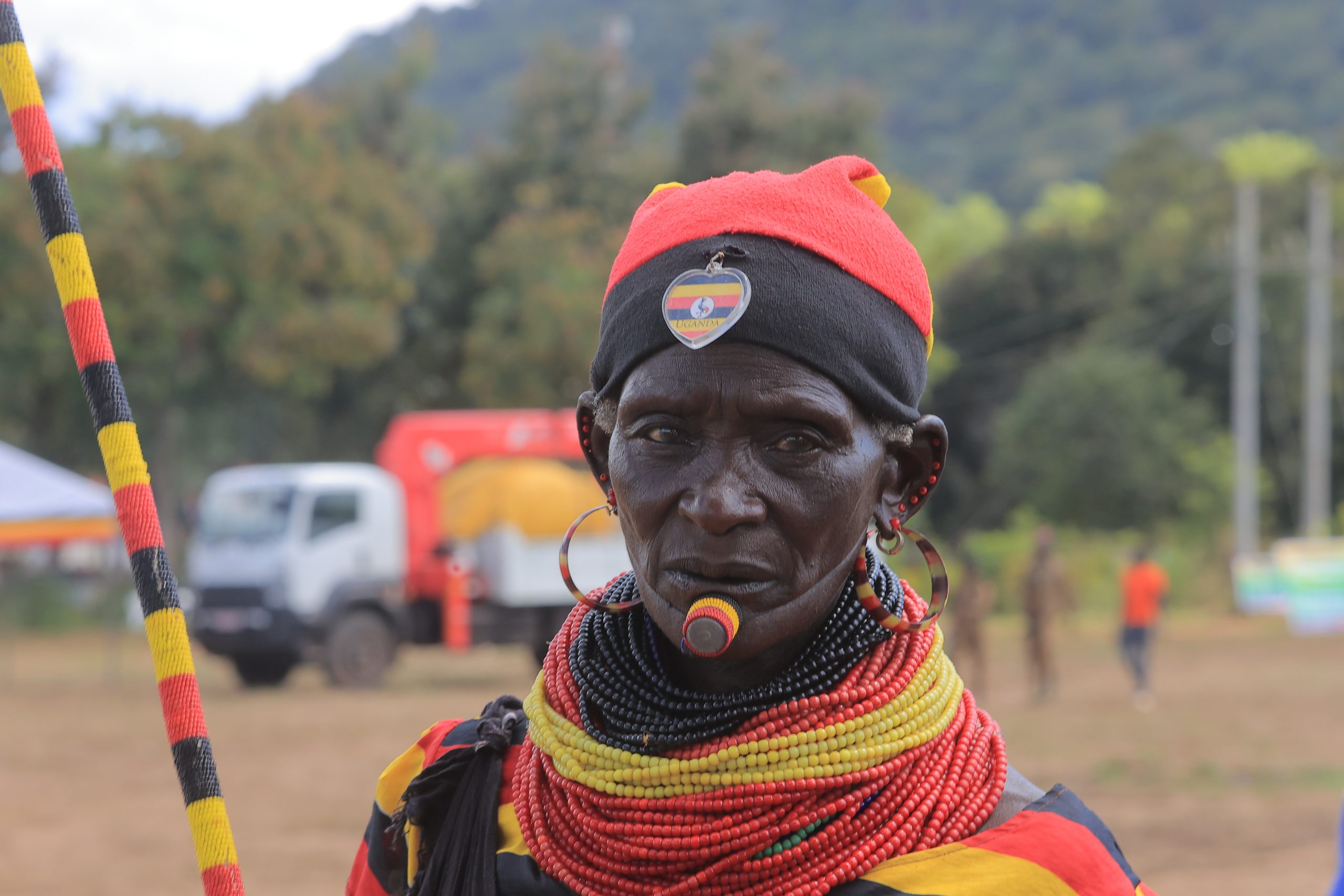
Religious Cultural Safari
Religious Cultural Safari
Religious & Cultural Safari in Uganda: A Deep Journey Through Sacred Landscapes, Ritual Heritage, and Community Life
Uganda is often introduced through its primate trekking and classic savannah game drives—but for travelers who want meaning beyond sightings, a religious-cultural safari in Uganda reveals an entirely different dimension: a country where faith, ritual, memory, and identity are embedded in landscapes, kingdoms, and everyday community rhythms. From ancient spiritual sites and pilgrimage traditions to royal heritage and living cultural institutions, Uganda offers an experience that feels both intimate and expansive.
If you’re planning a trip that blends cultural immersion with thoughtful, respectful encounters and you want professional trip design, logistics, and local guidance consider working with a specialist operator such as Turkana Wildlife Safaris, who can tailor itineraries around communities and heritage sites while balancing comfort, time, and ethical travel practices.
Why Choose a Religious-Cultural Safari in Uganda?
A cultural safari isn’t simply “visiting a village.” Done well, it is a curated journey through belief systems, sacred spaces, and social structures that shape the nation’s history and present-day life. Uganda’s spiritual landscape is especially rich because it includes:
- Long-established indigenous spiritual traditions
- Major world religions with deep local roots (Christianity and Islam)
- Historic kingdoms with enduring cultural authority
- Music, dance, craft, and oral histories that transmit values across generations
This kind of safari suits travelers who prefer context over checklists and who want to understand how people live, worship, celebrate, and remember.
To explore trip options and Uganda travel planning support, start with Turkana Wildlife Safaris.
Uganda’s Spiritual Mosaic: What You’ll Discover
Uganda’s religious and cultural identity is best understood as a tapestry—woven from many communities and histories. A well-structured itinerary can include:
- Sacred sites tied to local belief systems
- Pilgrimage and worship spaces important to Christians and Muslims
- Royal heritage experiences linked to Uganda’s kingdoms
- Community-based tourism encounters with local leaders, artisans, and storytellers
When designed thoughtfully, these experiences can be integrated with light nature exploration—lake shores, forest edges, or scenic drives—making it a “safari” in the broad sense: a journey.
Top Regions for Religious & Cultural Experiences in Uganda
1) Central Uganda: Buganda Kingdom Heritage and Spiritual History
Central Uganda—around Kampala, Entebbe, and beyond—is deeply linked to the Buganda Kingdom, whose cultural institutions remain influential.
You can explore:
- Royal heritage narratives and kingdom traditions
- Major places of worship and historical religious sites
- Community and craft experiences that demonstrate living culture
A custom cultural route in central Uganda is often easiest to pair with other highlights, such as lake excursions or short wildlife add-ons. For itinerary planning, contact Turkana Wildlife Safaris.
2) Eastern Uganda: Mountain Cultures and Community Traditions
Eastern Uganda is home to diverse groups and landscapes. Cultural visits here can feel especially immersive, often including:
- Traditional music and dance experiences
- Storytelling sessions and clan-based social history
- Local food preparation and market walks
This region is ideal if you want fewer crowds and more direct community interaction.
3) Northern Uganda: Cultural Revival, Memory, and Heritage
Northern Uganda has a powerful history and a strong cultural renaissance in arts, tradition, and community initiatives.
Depending on your route and timing, you may encounter:
- Cultural centers and heritage storytelling
- Craft traditions and performance groups
- Community-led tourism models designed for respectful exchange
4) Western Uganda: Kingdom Culture, Lakes, and Spiritual Landscapes
Western Uganda combines scenic beauty with cultural depth. This region can include:
- Kingdom-related heritage and cultural institutions
- Lake-based communities and traditions
- Religious life expressed through community worship and local celebrations
Western routes can also blend cultural travel with optional wildlife experiences—without turning the trip into a purely wildlife-focused safari.
To combine cultural depth with reliable logistics and comfortable travel pacing, explore planning support from Turkana Wildlife Safaris.
What a Religious-Cultural Safari Itinerary Can Include
A strong itinerary balances observation, participation, and downtime. Here are high-value components you can mix and match.
Community Encounters (Ethical, Guided, and Consent-Based)
Look for experiences that are community-led and transparent about where fees go. These can include:
- Guided community walks with a local host
- Craft and artisan workshops (weaving, beadwork, carving)
- Traditional cooking demos and tasting sessions
- Cultural performances contextualized with storytelling
A reputable operator can help ensure that visits are respectful and not extractive. See safari planning options at Turkana Wildlife Safaris.
Sacred Spaces and Places of Worship
Uganda’s religious life is vibrant and visible. Your guide can arrange visits that fit your interests, such as:
- Historical churches and community parishes
- Mosques and Islamic heritage sites
- Local prayer gatherings (where appropriate and welcomed)
Etiquette matters:
- Dress modestly
- Ask before taking photos
- Follow local guidance on behavior and timing
Royal and Kingdom Heritage Experiences
Uganda’s kingdoms are a major cultural pillar. Depending on access and availability, you can explore:
- Museums and heritage collections
- Cultural institutions and community programs
- Narratives of leadership, clan systems, and historical events
These experiences add political and social context to what you see across regions.
Sample 7–10 Day Religious-Cultural Safari (Customizable)
Here’s an example structure you can adapt:
Days 1–2: Kampala / Entebbe Cultural Introduction
- City heritage tour
- Places of worship and historical context
- Markets, crafts, and local cuisine
Days 3–4: Central Heritage + Community Immersion
- Kingdom heritage narratives
- Cultural walk and artisan experiences
- Optional lake excursion
Days 5–7: Regional Cultural Focus (East or West)
- Community-based cultural visit
- Performance and storytelling
- Scenic nature interludes
Days 8–10: Northern or Western Extension (Optional)
- Cultural centers and heritage storytelling
- Craft workshops and community projects
- Return transfer
For tailored routing, accommodations, and permits where needed, plan with Turkana Wildlife Safaris.
How to Choose the Right Operator for Cultural Travel
A religious-cultural safari requires more sensitivity than a standard itinerary. When comparing providers, look for:
- Clear community partnerships and fair compensation
- Guides trained in cultural interpretation (not just logistics)
- Respectful visit design (consent, small groups, no “human zoo” feel)
- Flexible pacing (time for conversation, not rushed stops)
If you want a single point of contact to design the full experience, start with Turkana Wildlife Safaris.
Practical Tips for a Meaningful Cultural Safari
Cultural Etiquette Essentials
- Ask before photographing people or rituals
- Learn a few greetings in local languages
- Bring small, appropriate gifts only if your host suggests it
- Avoid comparing religions or debating beliefs
What to Pack
- Modest clothing (shoulders and knees covered for many sites)
- A light scarf/shawl for worship spaces
- Comfortable walking shoes
- A notebook (you’ll hear stories worth remembering)
Best Time to Go
Cultural travel is year-round, but scheduling around festivals or community events can deepen the experience. Ask your planner to align dates with meaningful local calendars.
FAQ: Religious-Cultural Safari Uganda
1) Is a religious-cultural safari in Uganda respectful for visitors of different faiths?
Yes—when planned properly. The goal is understanding and cultural exchange, not participation in rituals you’re not comfortable with. A good guide will set expectations and ensure respectful behavior.
2) Can I combine cultural travel with wildlife experiences?
Absolutely. Many travelers blend cultural visits with light nature experiences. An operator such as Turkana Wildlife Safaris can structure a balanced itinerary.
3) Are community visits “authentic,” or staged?
Both exist. Authentic, community-led experiences prioritize consent, fair pay, and context. Avoid rushed “performance-only” stops with no explanation or interaction.
4) What should I wear for visiting places of worship?
Generally modest attire: covered shoulders, covered knees, and minimal flashy accessories. Your guide will advise based on the specific site.
5) How do I book a custom religious-cultural itinerary?
Choose an operator with strong local partnerships and proven Uganda experience. You can start by reviewing or requesting a tailored plan from Turkana Wildlife Safaris.
Plan Your Religious-Cultural Safari in Uganda
Uganda rewards travelers who slow down. A religious-cultural safari offers more than memorable moments—it offers perspective: on how communities preserve identity, how sacredness is expressed in place, and how history lives in everyday life.
For custom trip design, guiding, and logistics, explore planning support with Turkana Wildlife Safaris.