
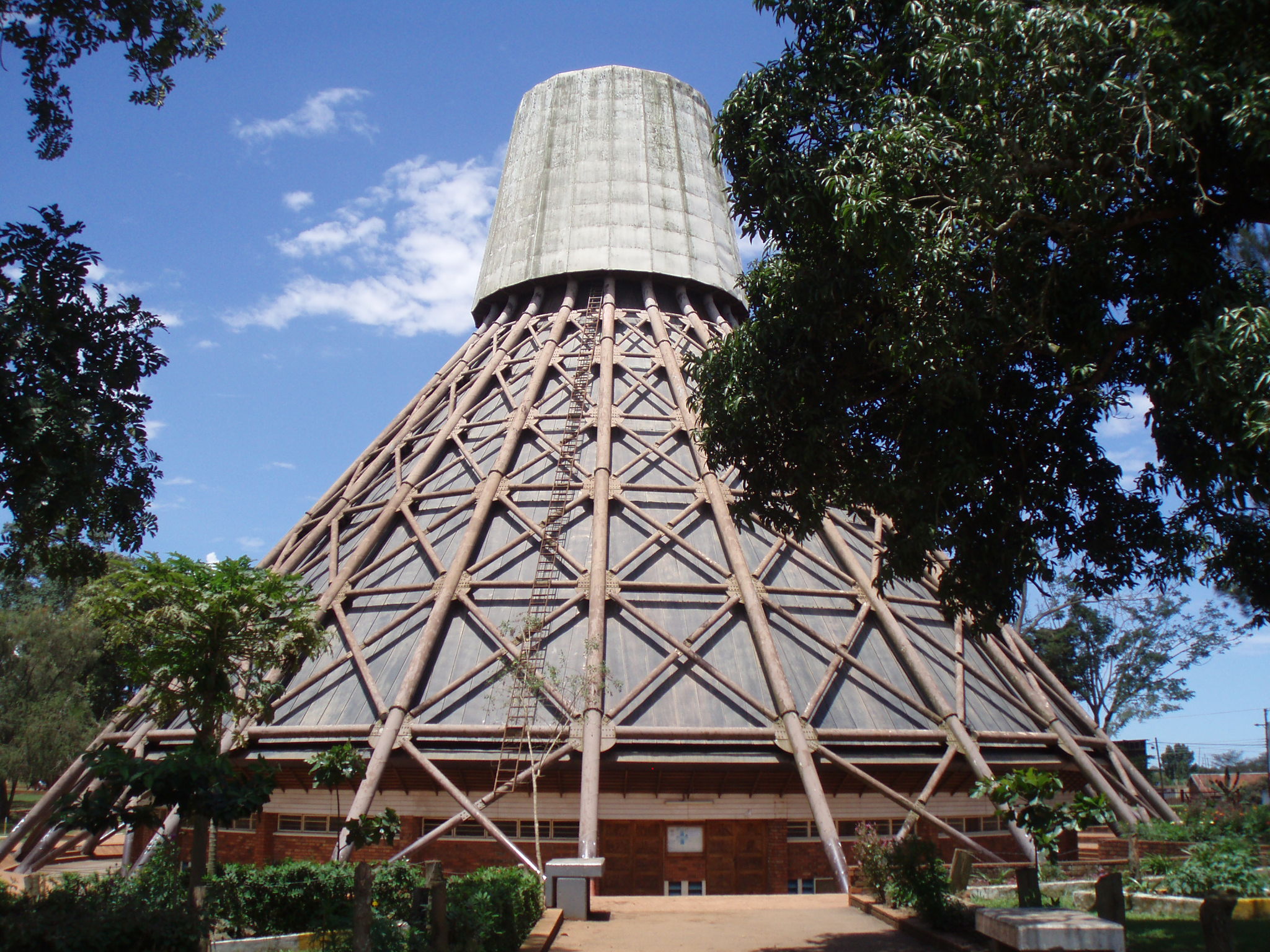
Uganda Martyrs Shrine Namugongo
Uganda Martyrs Shrine Namugongo
Uganda Martyrs Shrine Namugongo: A Pilgrimage Landmark in Uganda’s Spiritual Heartland
Uganda’s religious landscape holds few sites as profoundly moving—and as widely revered as the Uganda Martyrs Shrine Namugongo. Set just outside Kampala, this sacred place draws pilgrims, historians, faith leaders, cultural travelers, and heritage enthusiasts from across Africa and beyond. It is not only a monument of devotion; it is also a living center of worship that amplifies Uganda’s identity as a nation shaped by faith, resilience, and collective memory.
In this guide, you’ll explore the shrine’s history, significance, visitor experience, and how to plan a meaningful journey—whether you’re traveling for the famous Martyrs Day commemoration or visiting on a quieter day for reflection.
Understanding the Uganda Martyrs: Why Namugongo Matters
The Uganda Martyrs were a group of young Christian converts—both Catholic and Anglican—who were executed in the late 19th century during the reign of Kabaka Mwanga II of Buganda. Their deaths are remembered not simply as tragedy but as a turning point in the growth of Christianity in the region and the emergence of an enduring spiritual legacy.
The Namugongo site is especially revered because it is associated with the martyrdom of many of these believers. Today, the shrine stands as a powerful symbol of:
- unwavering conviction
- spiritual courage under oppression
- the spread of Christianity in East Africa
- Uganda’s cultural and religious heritage
For travelers who appreciate history, sacred architecture, and community traditions, the Uganda Martyrs Shrine offers a deep, unforgettable experience.
The Shrine Complex: What You’ll See at Namugongo
The shrine is more than a single building. It is a well-developed pilgrimage complex that includes places of prayer, commemoration spaces, and visitor-friendly facilities. While many visitors come for worship, the site is equally compelling for cultural tourism and heritage travel.
Key Highlights Within the Shrine Grounds
- The Basilica (Catholic Shrine): A striking architectural landmark with symbolic design elements and a serene interior.
- Martyrdom markers: Areas indicating significant points connected to the events commemorated.
- Prayer and reflection zones: Quiet spots where visitors can meditate, journal, or simply absorb the atmosphere.
- Pilgrim gathering spaces: Especially active during annual commemorations when crowds arrive from across the continent.
If you’re combining spiritual tourism with broader exploration, consider planning a longer itinerary that includes other cultural and wildlife experiences. A safari planner can help you integrate the shrine visit into a wider Uganda program.
Uganda Martyrs Day: The Most Powerful Time to Visit
Every year on June 3rd, the shrine becomes one of Africa’s largest Christian pilgrimage destinations. Hundreds of thousands (sometimes more) gather to honor the martyrs through mass, prayer, and processions.
What to Expect During the Pilgrimage Season
- immense crowds and high energy
- all-night vigils and choral performances
- religious ceremonies led by senior clergy
- heightened security and organized movement routes
- vendors and community groups offering food and essentials
Travel tip: If you want the intensity and communal spirit, visit during Martyrs Day. If you prefer a calmer, reflective experience, visit outside early June.
For travelers seeking structured planning (transport, guides, time-saving routing), you can consult local itinerary support via Turkana Wildlife Safaris.
How to Get to Uganda Martyrs Shrine Namugongo
Namugongo is located a short drive from Kampala, which makes it easy to include even on a tight schedule.
Common Routes
- From Kampala city center: typically under an hour depending on traffic
- From Entebbe: allow additional time, especially during peak hours
Practical Transport Options
- private car hire with a driver-guide
- ride-hailing services (availability varies by time and demand)
- group tours (ideal during pilgrimage season)
If you’re planning a broader Uganda circuit, a local operator can combine the shrine visit with other experiences (city tours, Lake Victoria stops, or national parks).
Best Time to Visit Namugongo (Beyond Martyrs Day)
Namugongo can be visited year-round. The most comfortable months often align with drier seasons, when walking around the grounds is easier and outdoor prayer gatherings are more convenient.
Consider Visiting When You Want:
- Less crowding: outside early June
- More ceremony and cultural immersion: late May to early June
- Photography-friendly light: mornings and late afternoons
- A contemplative visit: weekdays, mid-morning
What to Wear and How to Behave
Because this is a deeply sacred site, respectful dress and behavior are important.
Suggested Dress
- modest clothing covering shoulders and knees
- comfortable walking shoes
- a light layer for rain or evening breeze
Etiquette Guidelines
- keep voices low inside worship spaces
- ask before taking close-up photos of people
- follow posted rules during services
- avoid interrupting prayer gatherings
Visiting Namugongo as Part of a Uganda Travel Itinerary
Many travelers pair Namugongo with nearby cultural and historical experiences around Kampala and central Uganda. Others include it as a meaningful stop before heading west for primate trekking or south for lake experiences.
Itinerary Ideas (Easy to Combine)
- Namugongo + Kampala cultural sites (day trip)
- Namugongo + Lake Victoria shoreline experience
- Namugongo + central Uganda community-based tourism
- Namugongo + a full wildlife circuit (multi-day plan)
To explore how a shrine visit can fit into a larger safari or cultural route, browse itinerary planning options through Turkana Wildlife Safaris.
Why the Uganda Martyrs Shrine Is More Than a Tourist Site
Namugongo is a place where history is not just read—it is felt. The quiet reverence in its chapels, the echo of hymns during pilgrimage season, and the global diversity of its visitors make it one of Uganda’s most emotionally resonant destinations.
It stands for:
- faith that outlasts fear
- community memory passed across generations
- Uganda’s role in Africa’s Christian heritage
- the power of sacred places to unite people
Whether you arrive as a pilgrim, a historian, a cultural traveler, or simply a curious visitor, the experience tends to linger long after you leave.
FAQ: Uganda Martyrs Shrine Namugongo
1) Where is the Uganda Martyrs Shrine located?
The shrine is in Namugongo, a short drive from Kampala, making it accessible for half-day or full-day visits.
2) What is special about June 3rd at Namugongo?
June 3rd is Uganda Martyrs Day, the major annual commemoration that draws massive pilgrim crowds and large religious ceremonies.
3) Can non-religious visitors go to Namugongo?
Yes. Visitors of all backgrounds are welcome, provided they respect the site’s sacred nature and follow etiquette guidelines.
4) How much time should I spend at the shrine?
Many visitors spend 1–3 hours, while pilgrims or those attending services may spend longer.
5) Can I combine Namugongo with a safari trip?
Yes. It’s common to combine a Kampala-area cultural stop with longer wildlife travel. Planning support is available via turkanawildlifesafaris.com.
Plan Your Visit
If you want to connect the Uganda Martyrs Shrine Namugongo with a broader itinerary—whether cultural, wildlife-focused, or a blended journey, visit Turkana Wildlife Safaris to explore route ideas and travel planning support.