
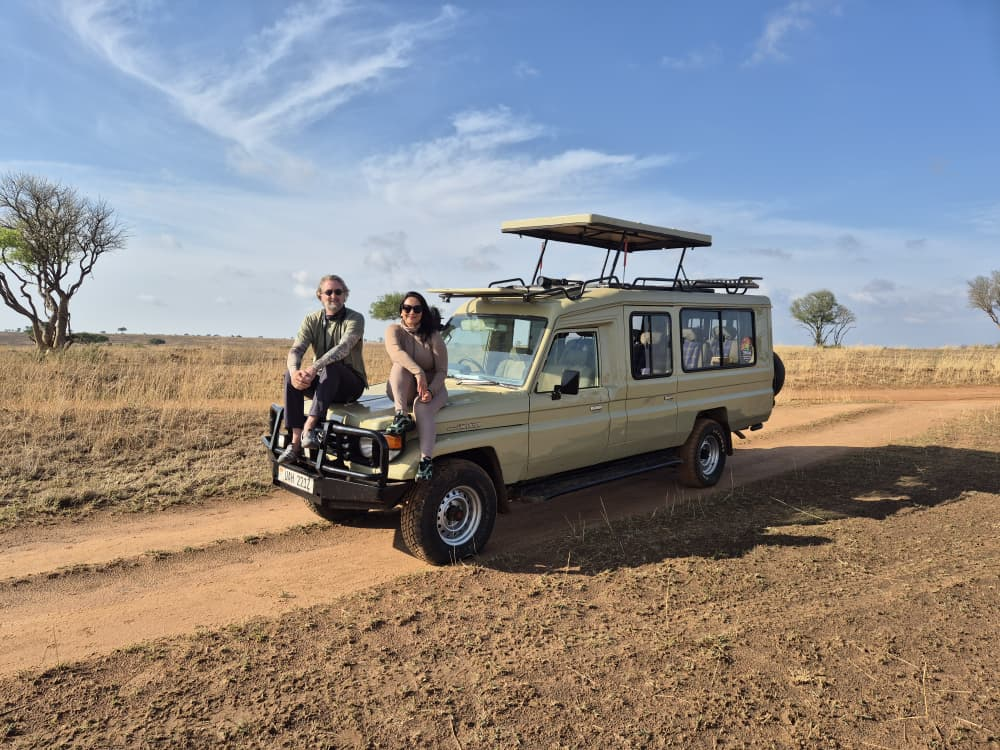
Safe Travel Uganda
Safe Travel Uganda
Safe Travel in Uganda: A Practical, Up-to-Date Guide for a Confident Trip
Uganda is one of Africa’s most rewarding destinations: mountain gorillas in misty forests, chimpanzees in lush reserves, classic savannah drives, crater lakes, and warm hospitality. Like anywhere, a great trip depends on smart planning health preparation, transport choices, responsible wildlife viewing, and knowing how to navigate local conditions.
This guide brings together practical safety advice for first-time visitors and repeat travelers alike, with a focus on building a smooth itinerary and minimizing risk without missing the adventure.
If you’re arranging permits, logistics, and on-the-ground support, working with a reputable operator can make a meaningful difference.
Why Uganda Is Worth Visiting (and How to Visit Safely)
Uganda’s diversity is unusual for a single country: tropical rainforests, Rift Valley landscapes, wetlands, and open plains. The most common trips include:
- Gorilla trekking in Bwindi Impenetrable National Park
- Chimpanzee tracking in Kibale Forest
- Big-game safaris in Murchison Falls, Queen Elizabeth, and Kidepo Valley
- Nile experiences around Jinja and Murchison Falls
- Cultural visits and city stays in Kampala and Entebbe
Safety is not about avoiding Uganda, it’s about traveling with the right expectations and choosing decisions that reduce exposure to preventable issues (health, road travel, petty crime, and environmental hazards).
Entry Requirements and Documentation Safety
Before anything else, secure the basics:
Passport, Visa, and Proof of Vaccination
- Keep your passport valid for at least 6 months beyond your travel dates.
- Apply for the appropriate Uganda visa (often available as an e-visa depending on nationality).
- Uganda has historically required proof of yellow fever vaccination for entry—check the latest rules before departure.
Document Security Checklist
- Store digital copies of:
- passport photo page
- visa approval
- travel insurance
- vaccination certificate
- itinerary and hotel confirmations
- Keep originals in a secure pouch and carry a copy separately.
Tip: Use a cloud folder + offline phone storage so you can access copies without internet.
Health and Medical Safety in Uganda
Health prep is one of the biggest “trip-savers.” Many issues are preventable with planning.
Recommended Pre-Trip Steps
- Visit a travel clinic 4–8 weeks before departure.
- Ask about vaccines commonly recommended for Uganda (depending on your itinerary):
- typhoid
- hepatitis A/B
- tetanus booster
- rabies (especially for longer trips or rural exposure)
Malaria Prevention
Uganda is a malaria-risk country.
Practical best practices:
- Take the antimalarial recommended by your clinician.
- Wear long sleeves and trousers after dusk.
- Use insect repellent with DEET or picaridin.
- Sleep under a treated mosquito net if your lodging isn’t well-screened.
Food and Water Safety
To reduce traveler’s stomach problems:
- Prefer sealed bottled water (or reliably filtered water).
- Avoid ice unless you trust the water source.
- Eat food that is freshly cooked and served hot.
- Peel fruits yourself when possible.
Travel Insurance
Choose insurance that explicitly covers:
- medical treatment
- emergency evacuation
- wildlife activities (if trekking is included)
- trip interruption/cancellation
Personal Security: Common Risks and Smart Habits
Most travelers experience Uganda as welcoming and calm yet it’s still wise to apply everyday urban safety, especially in cities.
In Kampala and Other Towns
- Keep phones and valuables out of sight in crowded areas.
- Use ATMs in secure locations (banks, malls) during daylight.
- Avoid walking alone at night in unfamiliar neighborhoods.
- Use reputable transport arranged by your hotel or tour operator.
Rural Areas and National Parks
- Listen to ranger briefings.
- Don’t wander away from camps/lodges after dark.
- Keep food sealed and out of tents where wildlife is present.
Transport Safety: Roads, Drivers, and Getting Around
Road travel is often the biggest safety variable in East Africa. Distances can look short on a map but take longer due to road conditions.
Choose the Right Mode for Your Trip
Options include:
- Private vehicle + driver/guide (most comfortable and controlled)
- Domestic flights for longer hops (e.g., to Kidepo or Bwindi access points)
- Public buses (budget-friendly, but less predictable)
- Boda-bodas (motorbike taxis): fast but higher risk
Road Safety Tips That Matter
- Prioritize daytime travel for long drives.
- Use seatbelts whenever available.
- Choose a 4×4 for remote parks and rainy seasons.
- Avoid boda-bodas unless you’re experienced and wearing a helmet.
Gorilla Trekking Safety in Bwindi: What to Expect
Gorilla trekking is safe when done properly—because it’s tightly regulated by Uganda Wildlife Authority.
Key Safety Rules on Trek Day
- Keep the recommended distance from gorillas (often ~7 meters; follow ranger guidance).
- Wear a mask if required by current health protocols.
- Do not trek if you feel sick (protecting gorillas is part of safety).
- Follow your ranger’s instructions without exception.
- Move calmly; avoid sudden gestures and loud talking.
What to Bring (Safety + Comfort)
- sturdy hiking boots with ankle support
- long sleeves/trousers (thorns + insects)
- gardening gloves for grabbing vegetation
- rain jacket (Bwindi weather changes fast)
- water + snacks
- sunscreen + insect repellent
Chimpanzee Tracking Safety (Kibale and Beyond)
Chimp tracking is different from gorillas: chimps move quickly and can climb or run. The “safety” part is mostly about footing, stamina, and following instructions.
- Expect muddy trails and fast pace at times.
- Keep your camera secured falls are more common than people expect.
- Stay together as a group with the guide/ranger.
Safari Game Drives and Boat Cruises: Safe Wildlife Viewing
Uganda’s savannah parks offer lions, elephants, buffalo, hippos, crocodiles, and more.
Game Drive Safety Rules
- Stay inside the vehicle unless at designated areas.
- Do not feed wildlife.
- Keep voices low; sudden loud noise can stress animals.
- Respect animal space—your guide will read behavior cues.
Boat Cruise Safety (Nile / Kazinga Channel)
- Wear a life jacket if provided.
- Keep arms and cameras inboard near hippos/crocs areas.
- Use sun protection—glare off water is intense.
Weather, Seasons, and Terrain: Safety by Timing
Uganda is generally year-round, but rainfall influences road conditions and trek difficulty.
General Seasonal Considerations
- Rainy periods can mean:
- muddy trails in Bwindi/Kibale
- slower road travel
- higher mosquito activity
- Dry periods can mean:
- easier trekking
- better road conditions
- more predictable wildlife viewing
Money Safety and Connectivity
Handling Cash
Uganda is still cash-reliant in many places.
- Carry smaller denominations for tips and small purchases.
- Use a money belt or secure pouch.
- Avoid flashing large amounts when paying.
SIM Cards and Internet
A local SIM helps with:
- maps and navigation
- contacting your driver/guide
- mobile money payments in some cases
Cultural Etiquette That Improves Safety (and Enjoyment)
Respectful behavior reduces misunderstandings and makes travel smoother.
- Ask before photographing people.
- Dress modestly in towns and villages.
- Learn a few greetings (it goes a long way).
- Be patient service pace can differ from what you’re used to.
Choosing a Tour Operator: What “Safe” Looks Like
A reliable operator should be transparent about:
- vehicle condition and seatbelts
- driver experience and route planning
- realistic daily driving times
- permit handling (gorilla/chimp)
- emergency procedures and contacts
Sample “Safety-First” Uganda Itinerary (7–10 Days)
Here’s a structure that balances highlights with reasonable driving times:
Option A: 7 Days (Classic Highlights)
- Day 1: Entebbe arrival
- Day 2–3: Kibale (chimp tracking)
- Day 4: Queen Elizabeth (game drive + Kazinga boat)
- Day 5–6: Bwindi (gorilla trekking + community visit)
- Day 7: Return to Entebbe (or fly)
Option B: 10 Days (More Relaxed)
- Add extra nights in Queen Elizabeth or Bwindi
- Include Lake Bunyonyi for decompression
- Consider a domestic flight segment to reduce road time
FAQ: Safe Travel in Uganda
1) Is Uganda safe for tourists?
Uganda is generally safe for tourists who use standard precautions, plan transport wisely, and follow park/ranger rules during wildlife activities.
2) Is gorilla trekking safe?
Yes, gorilla trekking is regulated and led by trained rangers. The main risks are physical (slips, mud) and can be managed with proper gear and pacing.
3) What’s the biggest safety concern in Uganda?
Road travel is often the biggest variable. Choosing good vehicles, experienced drivers, and avoiding night driving significantly improves safety.
4) Do I need travel insurance?
Strongly recommended. Make sure it covers medical treatment and emergency evacuation, plus any trekking/adventure activities you’ll do.
5) What should I avoid doing in Uganda?
Avoid walking alone at night in unfamiliar urban areas, using unvetted boda-bodas, flashing valuables, and ignoring ranger guidance in parks.