
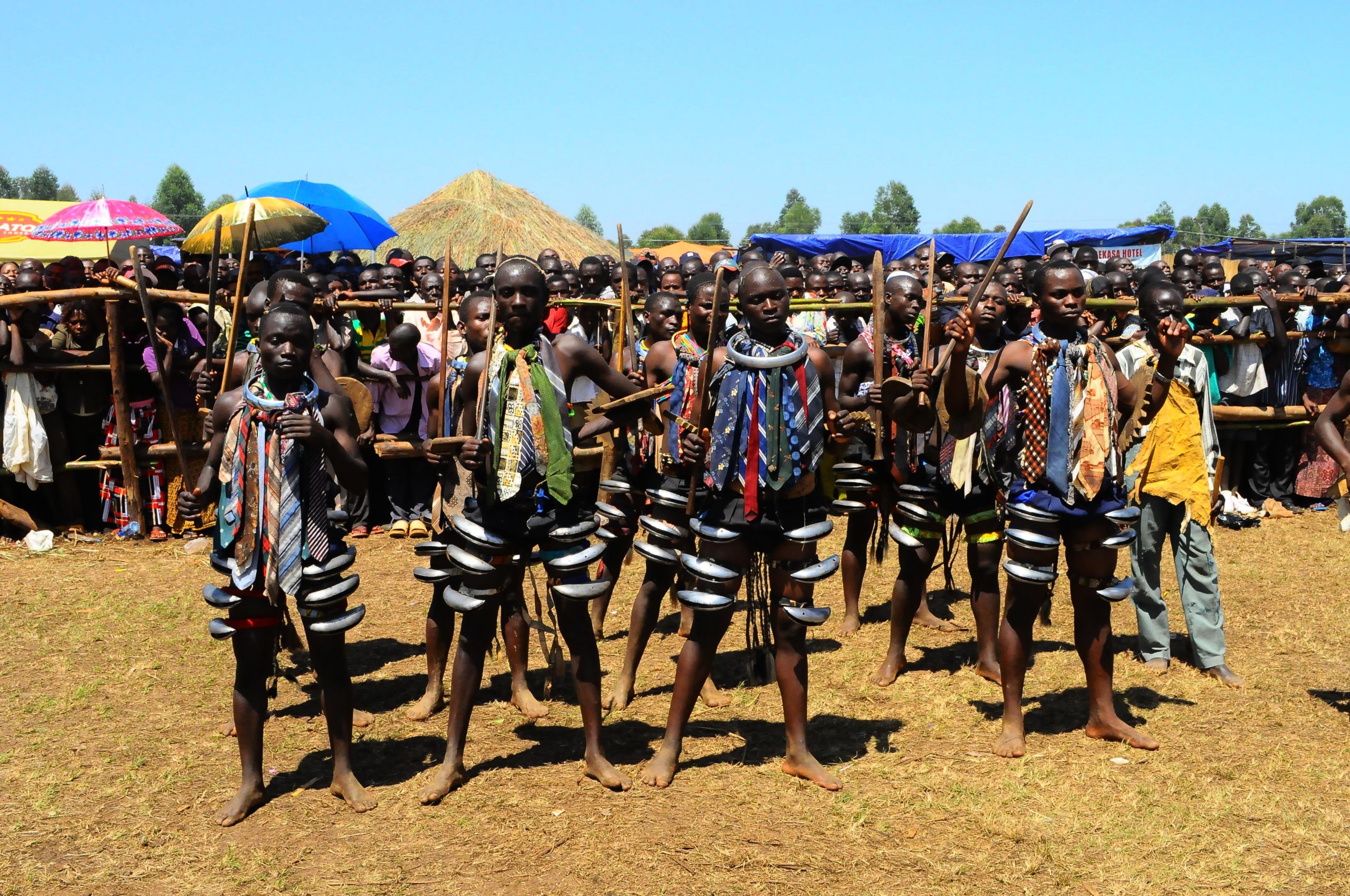
Community Tourism Uganda
Community Tourism Uganda
Community Tourism in Uganda: Empowering Local Communities Through Authentic Travel Experiences
Understanding Community-Based Tourism in Uganda
Community tourism in Uganda is more than a travel trend—it is a practical, people-centered approach that connects visitors with local life while channeling tourism revenue into livelihoods, conservation, and cultural heritage. Instead of tourism being concentrated in a few high-end corridors, community-based experiences distribute benefits to households, women’s groups, youth enterprises, and locally managed cooperatives.
Uganda’s remarkable diversity ranging from mountain ecosystems and rainforest primates to vast savannahs and freshwater lakes creates an ideal foundation for meaningful, community-led travel. When planned responsibly, these experiences preserve identity, protect ecosystems, and offer travelers something increasingly rare: authenticity with purpose.
What Makes Community Tourism Different?
Community-centered travel typically includes experiences such as:
- Guided village walks led by residents
- Cultural performances hosted by community groups
- Farm-to-table cooking demonstrations
- Craft workshops and artisan markets
- Community-run lodges and homestays
- Nature walks guided by local conservation scouts
Unlike conventional sightseeing, it emphasizes participation, learning, and direct economic benefit to host communities.
Why Uganda Is Perfect for Community Tourism
Uganda is often called the “Pearl of Africa” for its landscapes and wildlife, but the depth of its cultural mosaic makes it equally compelling for community-based travel. Communities around national parks and scenic regions have developed tourism initiatives that:
- Reduce reliance on resource extraction (like charcoal burning or poaching)
- Create jobs near protected areas
- Encourage conservation through shared incentives
- Preserve oral history, traditional skills, and local languages
If you’re planning a safari that blends wildlife and cultural immersion, exploring Uganda through a community lens adds richness that a standard itinerary can’t match.
For trip inspiration and tailored planning, you can start with Turkana Wildlife Safaris and build your route around community projects and ethical operators.
Top Community Tourism Experiences in Uganda
1) Cultural Encounters Near Bwindi Impenetrable Forest
Bwindi is globally known for gorilla trekking, but the surrounding communities offer equally impactful experiences—especially those run by local groups that share revenue with households and conservation efforts.
Typical activities include:
- Storytelling sessions about forest traditions
- Traditional dance and music demonstrations
- Craft-making with community artisans
- Local guide-led village walks
You can pair these cultural encounters with a well-planned wildlife itinerary through an operator like Turkana Wildlife Safaris, ensuring your trip supports both conservation and local development.
2) Community Walks and Cultural Heritage Near Queen Elizabeth National Park
Around Queen Elizabeth National Park, community tourism often focuses on:
- Wetland and crater-lake walks
- Local fishing village visits
- Community-run craft markets
- Traditional food experiences
This region is a strong example of how tourism can complement protected areas by offering alternative incomes and reducing human-wildlife conflict.
3) Karamojong Cultural Experiences in Northeastern Uganda
Northeastern Uganda offers a powerful cultural dimension, particularly with Karamojong communities, where visitors can learn about:
- Pastoral traditions
- Beadwork and symbolism
- Local homesteads and social structure
- Community-led storytelling and dance
These experiences are best done respectfully, with community consent, proper guiding, and ethical photography practices. A responsible tour planner such as Turkana Wildlife Safaris can help ensure the experience is culturally sensitive and benefits local hosts.
4) Community Tourism Around Lake Bunyonyi
Lake Bunyonyi is popular for relaxation, but it also offers community-based activities like:
- Canoe trips led by local boatmen
- Visits to local schools and women’s groups (with permission)
- Traditional craft experiences
- Hillside farming tours
This is a great stop for travelers who want slower, immersive travel with high local interaction.
How Community Tourism Supports Conservation
Community tourism works best when it creates a clear relationship between wildlife protection and community well-being. In Uganda, many community projects are linked to:
- Reforestation and habitat restoration
- Wildlife monitoring and anti-poaching support
- Sustainable agriculture training
- Environmental education for youth
When residents see tangible benefits from tourism, they’re more likely to protect ecosystems and discourage illegal resource use.
A well-designed itinerary often curated by experienced operators like Turkana Wildlife Safaris can help direct spending toward ethical, community-inclusive services.
What to Look for in Ethical Community Tourism
When choosing community experiences in Uganda, prioritize:
- Transparent revenue sharing (clear community benefit)
- Local leadership (community-managed or co-managed projects)
- Respectful cultural exchange (no exploitation or staged intrusion)
- Small group sizes (lower impact, more meaningful interaction)
- Fair pay for guides and performers
Quick Checklist for Travelers
- Ask where your fees go
- Avoid “human zoo” style visits
- Seek consent before photographing people
- Buy crafts directly from artisans
- Tip fairly and responsibly
You can also request a customized ethical itinerary through Turkana Wildlife Safaris that prioritizes community partnerships.
Sample Community Tourism Itinerary (7 Days)
Here’s an example structure you can adapt:
- Day 1: Arrival in Entebbe + local cultural dinner
- Day 2: Transfer to Kibale region + community coffee experience
- Day 3: Nature walk + community storytelling evening
- Day 4: Queen Elizabeth area + community-guided village tour
- Day 5: Transfer to Bwindi + artisan craft session
- Day 6: Gorilla trekking + community cultural performance
- Day 7: Lake Bunyonyi community canoeing + departure
To refine this plan and align it with permits, seasons, and logistics, consult Turkana Wildlife Safaris.
FAQ: Community Tourism Uganda
1) What is community tourism in Uganda?
It’s a form of travel where local communities host, manage, or directly benefit from tourism activities such as cultural tours, village walks, homestays, and community run lodges.
2) Is community tourism safe in Uganda?
Yes, when organized through reputable community groups or ethical operators. Stick to guided experiences and follow local advice.
3) How does community tourism help conservation?
It creates alternative livelihoods and links income to protecting wildlife and habitats—reducing pressure on natural resources.
4) What should I pack for community experiences?
Comfortable walking shoes, modest clothing, reusable water bottle, small cash for crafts/tips, and respect for cultural norms.
5) Can I combine community tourism with a classic safari?
Absolutely. Many travelers combine wildlife viewing with community visits for a more complete and meaningful itinerary. A planner like Turkana Wildlife Safaris can integrate both seamlessly.