
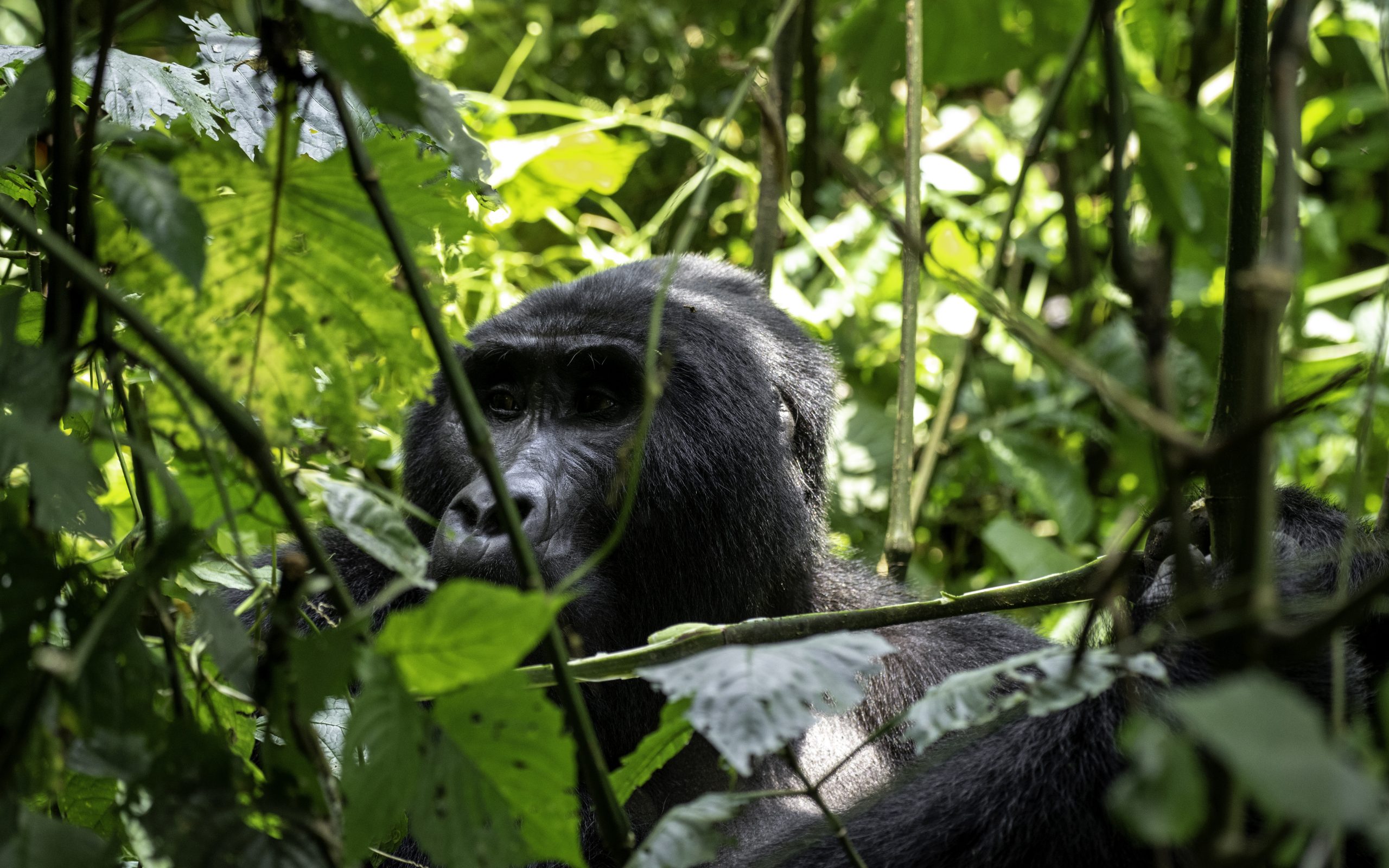
What Should I wear for Gorilla Trekking Experience
What Should I wear for Gorilla Trekking Experience
What to Wear for Gorilla Trekking: The Complete Clothing Guide for a Safe, Comfortable Encounter
Gorilla trekking is one of the most immersive wildlife experiences on Earth—muddy trails, dripping vegetation, sudden downpours, steep slopes, and dense undergrowth are all part of the magic. What you wear can make the difference between an exhilarating hike and a miserable slog. The goal is simple: stay dry-ish, protected, mobile, and comfortable for several hours in a humid forest environment.
If you’re planning a trip with a specialist operator, start here: Turkana Wildlife Safaris (gorilla trekking planning, safari combinations, and logistics).
Why Gorilla Trekking Clothing Matters (More Than People Think)
Unlike open savannah game drives, gorilla trekking places you inside thick rainforest or montane forest often at altitude. You’ll brush against nettles, thorny vines, wet leaves, and sometimes ants. Even in “dry season,” you can get rain. Your outfit needs to manage:
- Moisture (rain + humidity + sweat)
- Abrasion (plants, branches, rocks)
- Insects (ants, mosquitoes, occasional tsetse in some regions)
- Temperature swings (cool mornings, warmer climbs)
- Grip (mud and slippery roots)
To align your trip, dates, and park choice with the right kit, you can check tour guidance via Turkana Wildlife Safaris.
The Best Outfit for Gorilla Trekking (Head-to-Toe)
1) Base Layer: Lightweight, Moisture-Wicking Top
Choose a breathable, quick-dry long-sleeve (or a light short-sleeve with an overshirt if you run hot). Long sleeves help protect against:
- Stinging nettles
- Scratches and micro-cuts
- Sun exposure on open sections
Avoid: cotton (stays wet and cold).
Prefer: merino blend or synthetic hiking fabric.
2) Mid Layer: A Light Fleece or Thin Insulating Layer
Mornings can be chilly, especially in higher-altitude parks. A thin fleece or light softshell helps without overheating.
Pro tip: Bring layers you can peel off quickly treks can start cool and become warm fast.
3) Outer Layer: Waterproof Rain Jacket (Non-Negotiable)
Even if the forecast looks clear, pack a proper waterproof shell. Rain can show up suddenly, and vegetation holds moisture that soaks sleeves and shoulders.
Look for:
- Waterproof rating (or at least a reliable membrane)
- Hood with adjustment
- Pit zips for ventilation (ideal)
If you’re customizing your itinerary and want practical packing advice aligned to your season, ask your operator start with Turkana Wildlife Safaris.
4) Pants: Tough, Quick-Dry, and Long
Wear long trekking pants not shorts. You want protection from brush, insects, and mud.
Best features:
- Stretch fabric (mobility on steep sections)
- Reinforced knees/seat (optional but nice)
- Quick-dry material
- Neutral colors (khaki, olive, grey)
Avoid: jeans (heavy when wet, restrict movement).
5) Gaiters: Your Secret Weapon Against Mud and Ants
Gaiters keep:
- Mud and water out of boots
- Ants from crawling up socks
- Seeds/debris from collecting inside footwear
They’re especially useful in wet months and muddy trails.
6) Boots: Sturdy, Waterproof Hiking Boots with Ankle Support
You’ll likely trek on:
- Steep inclines/declines
- Slick clay mud
- Roots and uneven ground
Choose:
- Waterproof hiking boots
- Aggressive tread (good grip)
- Ankle support (helps prevent rolls)
- Broken-in fit (do not wear brand-new boots)
Bring blister care: even great boots can rub in humidity.
7) Socks: Wool or Technical Hiking Socks (Plus a Spare Pair)
Go with merino wool or synthetic hiking socks. They manage moisture and reduce blister risk.
Bring:
- 1 pair for trekking
- 1 spare pair in a dry bag (this feels incredible if you get soaked)
8) Gloves: Lightweight Gardening or Trekking Gloves
This is one item many first timers skip then regret. Gloves help when you’re:
- Holding vines or branches
- Bracing on slippery slopes
- Pushing through nettles and thorns
Simple work gloves or “gardening gloves” are often perfect.
9) Hat + Eye Protection
- Cap/hat: keeps rain off your face and helps with sun in open patches
- Sunglasses: optional, but helpful before entering deep forest
What Colors Should You Wear for Gorilla Trekking?
Stick to neutral, earthy tones:
- Olive, khaki, brown, grey, muted green
Why:
- Less visually disruptive for wildlife
- Hides mud stains better than bright colors
- Fits general park guiding etiquette
Avoid:
- Bright neon colors
- Loud patterns
- Dark blue/black in tsetse-prone zones (not always relevant, but common safari guidance)
For destination-specific guidance (Uganda, Rwanda, or Congo-style conditions), consult your itinerary provider like Turkana Wildlife Safaris.
Rain, Mud, and Humidity: Dress for “Wet Even When It’s Not Raining”
Forests can be wet from:
- Overnight rain
- Persistent mist
- Condensation on leaves
Smart accessories:
- Dry bag for camera/phone
- Ziplock bags for documents and electronics
- Pack cover (or poncho) for your daypack
What to Pack in Your Daypack (Clothing & Comfort Essentials)
Bring a small backpack (15–25L). Recommended items:
- Rain jacket (if not already wearing it)
- Spare socks
- Light fleece (if mornings are cold)
- Water (at least 1–2 liters)
- High-energy snacks
- Sunscreen (yes—altitude + open sections)
- Insect repellent
- Hand sanitizer
- Small first-aid kit (blister plasters, tape)
- Camera rain cover / dry bag
If you want a fully coordinated trekking + safari plan (so you pack once for multiple environments)
Should You Hire a Porter? (Clothing Impact: Yes)
A porter can carry your bag and help on steep, slippery sections meaning you can focus on footing and breathing. It can also be a strong way to support local communities.
Even if you’re fit, consider it if:
- The terrain is muddy
- You’re carrying camera gear
- You want extra stability on descents
Gorilla Trekking for Different Seasons: What Changes?
Dry Season (Still Not “Dry”)
You still need:
- Waterproof shell
- Long pants
- Good boots
But you may prefer:
- Lighter layers
- More breathable fabrics
Wet Season (Muddy, Slick, and Humid)
Prioritize:
- Waterproof boots + gaiters
- Quick-dry pants
- Multiple socks
- Strong rain protection
Common Outfit Mistakes (And How to Avoid Them)
- Wearing cotton: it traps moisture and chills you.
- Skipping gloves: your hands will meet nettles/thorns.
- Wearing shorts: scratches, insects, and stinging plants.
- Brand-new boots: blisters can ruin the day.
- Forgetting gaiters: mud and ants become a constant annoyance.
- Overpacking layers: you’ll sweat heavily on climbs—keep it modular.
Quick Gorilla Trekking Clothing Checklist.
Wear:
- Moisture-wicking long-sleeve top
- Trekking pants (quick-dry)
- Hiking boots (broken-in, waterproof)
- Hiking socks (merino/synthetic)
- Light fleece or mid-layer
- Waterproof rain jacket
- Gloves
- Hat/cap
Carry:
- Spare socks
- Water + snacks
- Dry bag for electronics
- Insect repellent
- Small first-aid/blister kit
Plan your route, timing, and packing list around your exact park/season Turkana Wildlife Safaris can help align logistics and expectations.
FAQ: What to Wear for Gorilla Trekking
1) Do I need waterproof pants for gorilla trekking?
Not always, but they help in heavy rain or wet season. Many trekkers do fine with quick-dry trekking pants plus gaiters, and a strong rain jacket.
2) Can I wear leggings or yoga pants?
Only if they’re durable and you layer something tougher over them. Thin leggings can snag easily on brush and offer little protection from nettles.
3) Are hiking shoes enough, or do I need boots?
Boots are strongly recommended because of mud, slippery roots, and uneven terrain. Ankle support can prevent injuries on descents.
4) What’s the best jacket for trekking to see gorillas?
A lightweight waterproof shell with a hood is ideal preferably breathable with ventilation options. You’ll likely sweat, so airflow matters.
5) Should I bring a change of clothes?
A full change isn’t required for the trek itself, but a clean dry outfit for after the hike is one of the best comforts you can pack.
Need Help Matching Gear to Your Itinerary?
If you’re combining gorilla trekking with broader East Africa travel (safari, lakes, culture, or beach add-ons), aligning your clothing system matters. Start with your route and dates, then finalize layers accordingly. For planning support and safari extensions, visit Turkana Wildlife Safaris.