
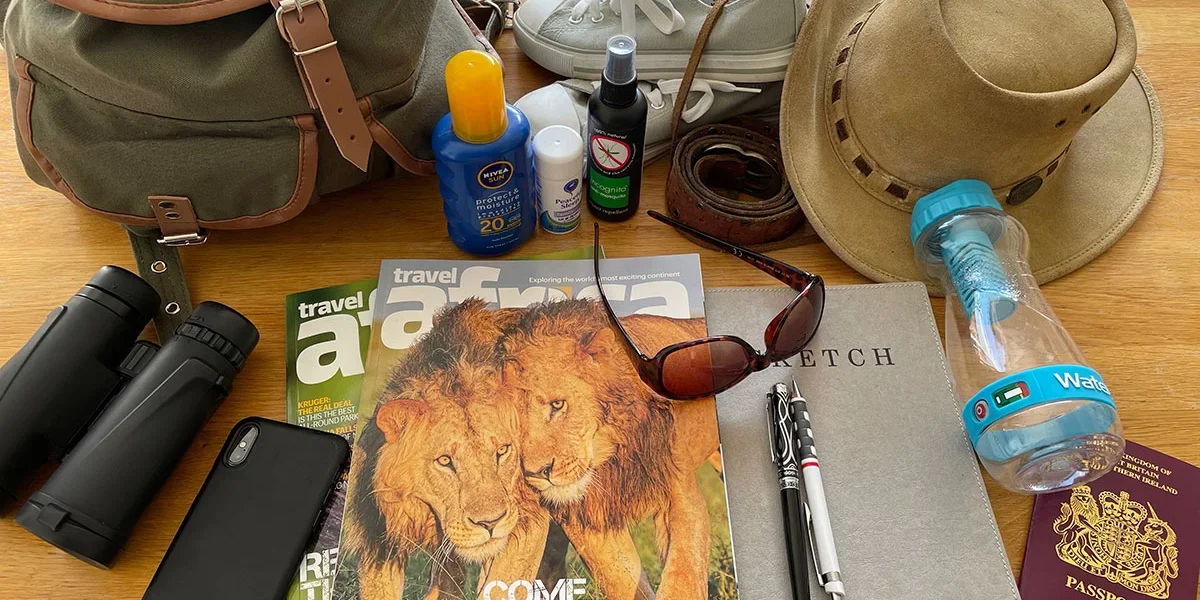
What Should I Pack in my Day Backpack on Uganda Safari
What Should I Pack in my Day Backpack on Uganda Safari
What Should You Pack in Your Day Backpack on a Uganda Safari?
A well-packed day backpack can make the difference between a comfortable, immersive Uganda safari and a day disrupted by sunburn, dehydration, soggy electronics, or missed wildlife moments. Uganda’s safari rhythm is wonderfully varied early morning game drives in Murchison Falls, misty forest walks in Kibale, boat cruises on the Nile, and (for many travelers) the life-changing trek to see mountain gorillas in Bwindi.
This guide lays out the practical essentials to carry each day, why they matter, and how to adapt your packing list to different safari activities without overloading your shoulders.
Why Your Daypack Matters on a Uganda Safari
Your main luggage stays at the lodge or in the vehicle. Your day backpack is your mobile base: hydration, layers, sun protection, documents, and the small “comfort tools” that prevent minor issues from becoming major inconveniences.
Uganda’s conditions can change quickly:
- Hot mid-day sun, then sudden rain
- Dusty tracks on game drives
- Humidity in forests, cooler temperatures at elevation
- Long hours away from the lodge
A thoughtfully curated daypack keeps you ready for all of it.
The Best Type of Day Backpack to Bring
Before we get into the items, choose the right bag.
Ideal features
- 20–30L capacity (enough for layers + water + gear, not too bulky)
- Padded shoulder straps and breathable back panel
- Two water bottle pockets (or a hydration bladder sleeve)
- Lightweight rain cover (built-in is a bonus)
- Zippers that close securely
- A small internal pocket for documents and cash
Optional but valuable
- Chest strap/hip belt for long walks
- Water resistance (or use a dry bag inside)
Core Day Backpack Essentials (The Non-Negotiables)
These are the items you’ll likely use almost every day, regardless of the park or activity.
1) Water (and a way to keep it accessible)
Hydration is not optional especially with early starts and warm afternoons.
Pack:
- 1–2 liters of water minimum (more for long walks/treks)
- Electrolyte sachets (helpful for heat and humidity)
Tip: If you’re doing gorilla or chimp tracking, you’ll appreciate having water you can reach quickly.
2) Sun protection you’ll actually use
Even when it’s cloudy, UV exposure can be high.
Pack:
- Sunscreen (SPF 30–50)
- Lip balm with SPF
- Sunglasses
- Hat/cap with a brim
3) A light rain layer (Uganda is green for a reason)
Sudden showers are common.
Pack:
- Lightweight rain jacket or poncho
- Packable backpack rain cover (or a trash bag liner)
4) Insect protection
Uganda’s parks range from riverine areas to forest edges—mosquitoes and biting insects can show up.
Pack:
- Insect repellent (DEET or picaridin)
- After-bite cream or antihistamine cream (small tube)
5) Travel documents + essentials
Pack:
- Copy of passport/ID (a photo on your phone also helps)
- Some cash in small notes (tips, small purchases)
- Park permits/booking confirmations if provided
- Travel insurance details (at least a digital copy)
6) Phone + power (and a way to protect them)
Pack:
- Phone
- Power bank
- Charging cable
- Dry pouch or ziplock bags
Game drives and cruises are photo-heavy days you don’t want to ration battery.
Safari Comfort & Safety
1) Binoculars
They’re one of the most underrated safari tools. Even with a great guide, binoculars turn distant movement into meaningful sightings.
Pack:
- Compact binoculars (8x or 10x)
2) A small first-aid kit (micro, not bulky)
Pack:
- Plasters/band-aids
- Blister care (moleskin or blister patches)
- Pain relievers
- Rehydration salts
- Any personal medication for the day
- Hand sanitizer
- Wet wipes / tissues
3) Snacks (especially for early starts)
Even if meals are included, timing can be unpredictable.
Pack:
- Energy bars
- Nuts/trail mix
- Fruit (if available)
- Small biscuits/crackers
4) A warm layer (yes, even in Uganda)
Early game drives can feel chilly, and highland forests are cooler.
Pack:
- Light fleece or long-sleeve layer
- Buff/scarf (also useful for dust)
5) Dust protection for dry tracks
In some parks and seasons, dust is real.
Pack:
- Buff/neck gaiter
- Lens cloth for camera/phone
What to Pack for Specific Uganda Safari Activities
Uganda isn’t one single safari style. Here’s how to tailor your daypack depending on what you’re doing.
Gorilla Trek Day (Bwindi or Mgahinga)
Gorilla tracking is physically demanding and often wet or muddy. The daypack should prioritize traction support items, waterproofing, and quick energy.
Bring:
- Rain jacket/poncho
- Gardening gloves (for gripping vines and nettles)
- Extra socks (in a dry bag)
- High-energy snacks
- Water (2L is smart)
- Camera/phone in a waterproof pouch
- Small towel or bandana
Also consider:
- A walking stick (often provided at the trailhead)
- Hiring a porter (highly recommended; it supports local livelihoods and helps you trek safely)
Chimp Tracking Day (Kibale or Budongo)
Chimps move fast and the forest can be humid.
Bring:
- Plenty of water + electrolytes
- Insect repellent
- Rain layer
- Binoculars (for canopy viewing)
- Camera with quick access (no deep packing)
Game Drive Day (Murchison Falls, Queen Elizabeth, Kidepo)
You’ll spend hours in a vehicle comfort and quick camera access matter most.
Bring:
- Binoculars
- Sunscreen and hat
- Light jacket for morning
- Snacks
- Power bank
- Lens cloth (dust)
- Small day blanket/scarf if you get cold on morning drives
Boat Safari / Launch Cruise (Nile or Kazinga Channel)
Water reflections intensify sun exposure, and spray can happen.
Bring:
- Sunscreen (reapply)
- Hat + sunglasses
- Water
- Dry bag for electronics
- Light rain jacket (also blocks wind)
- Camera strap (prevents drops)
Cultural Visits and Town Stops
These days are lighter but still need basics.
Bring:
- Small cash for crafts/tips
- Hand sanitizer
- Water
- Modest layer (a light scarf can help for respectful dress)
- Phone/camera
What NOT to Pack in Your Day Backpack
Avoid carrying items that add weight or create risk.
Skip:
- Original passport (unless required that day ask your guide)
- Large laptop or bulky electronics
- Excessive camera lenses (unless you’re a dedicated photographer)
- Too many “just in case” items that you won’t use
A lighter pack keeps you agile and comfortable.
Smart Packing System: Keep It Organized
Use a simple internal system so you can grab what you need quickly:
- Top pocket: sunscreen, tissues, snacks
- Main compartment: rain jacket, warm layer
- Inner zip pocket: cash, copies of documents
- Side pockets: water bottles
- Small dry bag: electronics + cables
This keeps your daypack tidy and prevents that “everything’s buried” frustration.
Recommended Day Backpack Checklist
Essentials
- Water (1–2L)
- Sunscreen + lip balm
- Sunglasses + hat
- Rain jacket/poncho
- Insect repellent
- Phone + power bank + cable
- Cash + copies of documents
- Hand sanitizer + tissues/wet wipes
Comfort & gear
- Binoculars
- Snacks
- Light fleece/long-sleeve layer
- Buff/scarf (dust/cold)
- Small first-aid kit
- Dry bag or ziplocks for electronics
Activity-specific
- Gorilla/chimp: gloves, extra socks, more water
- Game drive: lens cloth, extra battery, warmer layer
- Boat: extra sun protection, waterproofing for gear
FAQ: Day Backpack Packing for Uganda Safaris
1) How big should my day backpack be for a Uganda safari?
A 20–30L daypack is ideal for most travelers. It fits water, layers, and gear without becoming heavy or cumbersome.
2) Do I need a rain cover if my backpack is “water-resistant”?
Yes. “Water-resistant” usually fails in sustained rain. A rain cover or internal dry bag is the safer choice for Uganda’s sudden showers.
3) Should I carry my passport in my daypack?
Generally, carry a copy and keep the original secured at the lodge unless your guide advises otherwise for a specific transfer or check.
4) What’s the most overlooked item people forget?
A power bank (and the correct cable). Safari days are long, and photo/video drains battery quickly.
5) What should I pack differently for gorilla trekking?
Prioritize waterproofing, extra water, gloves, and dry socks. Keep snacks accessible and protect electronics with a dry pouch.
Want Help Matching Your Packing List to Your Exact Safari Itinerary?
If you share:
- the month you’re traveling,
- the parks you’re visiting (Bwindi, Queen Elizabeth, Murchison, Kibale, etc.),
- and whether you’re doing gorillas/chimps,
I can tailor a precise daypack list for each day type.