
Do I need hiking Boots for Gorilla Trekking
Do I need hiking Boots for Gorilla Trekking
Do You Need Hiking Boots for Gorilla Trekking? The Footwear Decision That Can Make (or Break) Your Trek
Gorilla trekking is not a casual stroll; it is a humid, uneven, sometimes muddy pursuit through thick vegetation, steep inclines, slippery roots, and rain-slick clay. In that environment, your footwear becomes more than “what you wear on your feet” it becomes your stability, your comfort, and your safety.
So, do you need hiking boots for gorilla trekking?
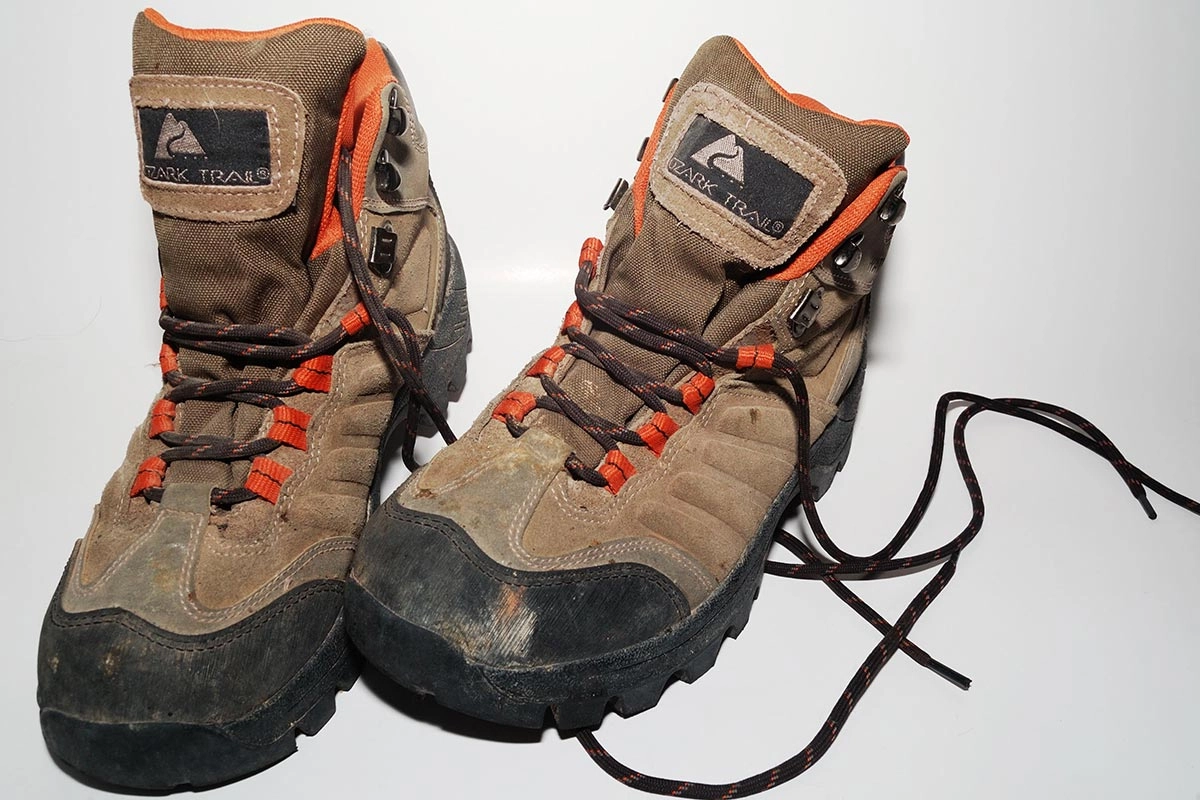
In most cases: yes, proper hiking boots are strongly recommended. You might manage without them in very dry conditions with robust trail shoes, but boots offer the best all-around protection and grip for typical gorilla trekking terrain in Uganda, Rwanda, and DR Congo.
Why Hiking Boots Are Usually the Best Choice
1) Gorilla trekking terrain is unpredictable
Even if the forecast looks fine, conditions can change quickly. Treks often involve:
- Mud (even in “dry” season, shaded forest remains damp)
- Steep slopes and sudden drops
- Wet leaves, slick rocks, and exposed roots
- Thick undergrowth that can scrape ankles and shins
Boots are designed for exactly this kind of variability.
2) Ankle support matters especially on descents
You’re not just walking forward; you’re stepping laterally, negotiating uneven ground, and sometimes descending steep trails where slips happen. A mid- or high-cut hiking boot adds stability and reduces the chance of ankle rolls.
3) Better grip for mud and wet ground
A boot with a deeper, aggressive tread is noticeably safer than casual shoes when you hit:
- Clay-like mud
- Wet logs
- Mossy stones
- Leaf litter on steep sections
4) Protection against stings, scratches, and biting insects
Boots help protect from:
- Sharp sticks and thorny plants
- Stinging nettles (common in some trekking zones)
- Ants and other insects that may be encountered on forest floors
Can You Trek Gorillas in Trail Shoes Instead?
Yes, in limited situations. A quality pair of trail runners or hiking shoes can work if:
- You have strong ankles and good balance
- It’s a drier period and trails are less muddy
- You’re experienced walking on uneven terrain
- Your shoes have excellent tread and are broken in
However, trail shoes generally have:
- Less ankle protection
- Less defense against mud entering the shoe
- Less durability if the trek involves prolonged wetness
If you’re deciding between buying one item for the trip: boots are the safer investment.
What Kind of Hiking Boots Are Best for Gorilla Trekking?
Recommended boot features
Look for:
- Mid or high ankle support
- Water resistance (waterproof membrane or treated leather/synthetic)
- Breathability (important in humid forest)
- Deep lug sole for mud traction
- Light-to-mid weight (too heavy can fatigue you)
- Secure lacing that doesn’t loosen while walking
Waterproof vs. non-waterproof: what’s better?
- Waterproof boots: great for muddy, wet forests—but can feel warmer.
- Non-waterproof boots: can be cooler, but once soaked they stay wet longer.
If you’re trekking in classic rainforest conditions, water-resistant or waterproof boots are generally the better call.
Socks Matter Almost as Much as Boots
Even the best boots can be uncomfortable with the wrong socks. Aim for:
- Merino wool or technical hiking socks
- Avoid cotton (it holds moisture and causes blisters)
- Consider a liner sock if you’re blister-prone
Pro tip: Bring at least 2–3 pairs so you can rotate and keep one dry.
What If You Don’t Want to Buy Boots?
If you’re not a frequent hiker, consider:
- Renting hiking boots locally (availability varies by destination)
- Borrowing from a friend (only if they fit perfectly)
- Using a rugged hiking shoe + gaiters (for mud and debris)
That said, ill-fitting rented boots can cause blisters fast so if you can, bring your own broken-in pair.
Break Them In (But Don’t Destroy Them)
The biggest mistake is arriving with brand-new boots. Break them in by:
- Wearing them on several walks (including hills/stairs)
- Testing them with the socks you’ll trek in
- Adjusting lacing to avoid heel slip
You want “broken in,” not worn out.
Extra Gear That Improves Footing and Comfort
Gaiters
Gaiters are extremely helpful in gorilla trekking because they:
- Keep mud and water from entering boots
- Reduce scratches from vegetation
- Provide extra barrier against ants/insects
Trekking poles
A single pole helps, but two poles can be transformative on slippery slopes. Poles:
- Improve stability
- Reduce knee strain on descents
- Help you test depth of mud patches
Quick Checklist: Gorilla Trekking Footwear Essentials
- Hiking boots (mid/high cut, good grip)
- 2–3 pairs of hiking socks
- Gaiters (highly recommended)
- Blister kit (Compeed/moleskin + tape)
- Optional trekking poles
Planning Your Trek:
For trip planning and safari support, you can explore:
If you’re building a broader itinerary (gorilla trekking plus other wildlife experiences), it can help to browse their safari offerings and planning resources directly from the main site:
(If you tell me which country you’re trekking in Uganda or Rwanda I can tailor the footwear advice to the most likely trail conditions and suggest what to prioritize.)
FAQ: Hiking Boots for Gorilla Trekking
1) Are hiking boots mandatory for gorilla trekking?
They’re usually not legally “mandatory,” but they are strongly recommended for safety, traction, and comfort on muddy, uneven terrain.
2) Should I choose waterproof boots?
In most gorilla trekking environments, water-resistant or waterproof boots are the safest choice because trails can be wet even in dry season.
3) Can I wear sneakers?
Regular sneakers are a poor choice. They tend to have weak grip, minimal protection, and absorb water quickly leading to slips and discomfort.
4) What height boot is best: low-cut or high-cut?
A mid-cut is often the sweet spot (support + mobility). High-cut can be beneficial if you want maximum ankle support and extra barrier from mud.
5) Do I need gaiters if I have good boots?
Gaiters are still very useful. They keep mud, seeds, and water from entering your boots and protect lower legs in thick vegetation.