
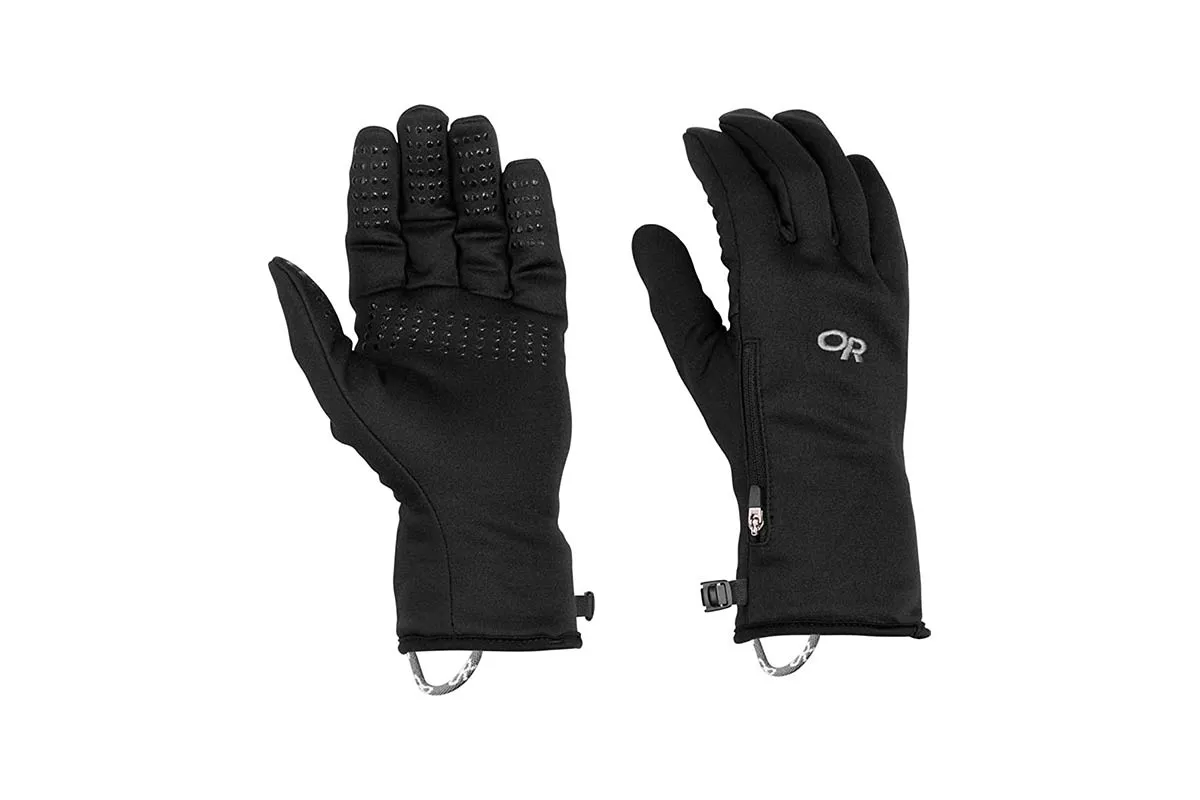
Should I Bring Gloves for Gorilla Trekking
Should I Bring Gloves for Gorilla Trekking
Should You Bring Gloves for Gorilla Trekking? A Practical, Expert Guide.
Gorilla trekking is one of the most intimate wildlife encounters on Earth: humid forests, steep ridgelines, slick mud, stinging nettles, and the sudden stillness that arrives when your guide signals you’re close. In that environment, gloves are not a fashion item, they’re a quiet piece of safety equipment that can meaningfully improve comfort, grip, and confidence.
So, should you bring gloves for gorilla trekking? In most cases, yes. The right pair protects your hands from abrasive vegetation, sharp vines, biting insects, and the constant need to stabilize yourself on wet roots and muddy slopes. The wrong pair, however, can be bulky, sweaty, and annoying so it’s worth choosing wisely.
If you’re planning your trip and want a well-organized trek from arrival to permits to packing, start by exploring options with Turkana Wildlife Safaris, a useful reference point for safari planning and regional travel inspiration.
Why Gloves Matter on a Gorilla Trek
1) You’ll Use Your Hands More Than You Expect
Many travelers imagine a “walk” through the forest. In reality, gorilla trekking often includes:
- Pulling yourself up short, steep sections
- Holding branches aside as you pass
- Balancing on slippery roots or rocks
- Bracing during descents (where falls are more common)
Gloves help with traction and reduce the chance of cuts, scrapes, and blisters.
2) Forest Vegetation Can Sting, Scratch, or Slice
Depending on the region and season, you may encounter:
- Stinging nettles (a common complaint)
- Thorny vines or brambles
- Coarse elephant grass and abrasive undergrowth
A thin glove layer can be the difference between “mildly annoying” and “hands on fire for hours.”
3) Better Hygiene and Less Skin Irritation
You’re in a humid ecosystem with mud, decomposing plant matter, and plenty of insects. Gloves:
- Reduce direct contact with muddy surfaces
- Limit exposure to irritants
- Make it easier to keep hands clean before snacks/water breaks
For broader safari and trekking planning resources, you can browse Turkana Wildlife Safaris and then ask your operator for trek-specific packing guidance.
When Gloves Are Most Useful (And When You Can Skip Them)
Bring gloves if:
- You’re trekking in the wet season or after rain (mud + slippery roots)
- You have sensitive skin or react strongly to nettles
- You want better grip on steep sections
- You’re prone to blisters or hand abrasions
- You prefer using trekking poles plus occasional hand support
You might skip gloves if:
- You’re doing a very short, dry-season trek on gentler terrain
- You strongly dislike hand coverage and can tolerate minor scratches
- You have excellent trekking balance and will rely primarily on poles
Even then, many experienced guides still recommend carrying a lightweight pair because terrain changes, and the “easy trek” can turn challenging quickly.
The Best Type of Gloves for Gorilla Trekking
1) Light Gardening Gloves (Top Choice for Most Trekkers)
These are often the most practical:
- Grippy palm (rubberized or textured)
- Breathable back
- Thin enough to keep dexterity
Why they work: They’re designed for exactly what you’ll do—grabbing vegetation and resisting abrasion.
2) Mechanic-Style Work Gloves
A solid alternative if they’re not too thick:
- Strong grip
- Better puncture resistance
- Durable stitching
Avoid overly padded versions that get hot and reduce finger control.
3) Lightweight Hiking Gloves (Only if They Have Grip)
Some hiking gloves focus on warmth rather than grip. In gorilla trekking, grip and abrasion resistance matter more than insulation.
What to avoid
- Thick winter gloves (too warm; poor dexterity)
- Leather gloves in heavy rain (can get stiff/slippery)
- Ultra-cheap thin cotton gloves (soak quickly; little protection)
Fit and Features That Actually Matter
When choosing gloves, prioritize:
- Snug fit (loose gloves bunch up and blister)
- Textured palms (for wet roots and vines)
- Quick-dry material (forest humidity is relentless)
- Short cuff (less heat buildup; easier on/off)
Optional but helpful:
- Touchscreen fingertips (not essential; you shouldn’t be using your phone much during the trek anyway)
- Clip/loop to attach to daypack
Gloves vs Trekking Poles: Do You Need Both?
They solve different problems:
- Trekking poles reduce knee strain and help balance on uneven ground.
- Gloves protect hands when you must grab something, and improve grip when poles aren’t enough.
Many trekkers bring both:
- Poles for the majority of the hike
- Gloves for steep climbs, muddy descents, and pushing aside vegetation
If you’re booking a safari/trek combo and want advice on what’s typically provided (like walking sticks), it’s worth checking planning details via Turkana Wildlife Safaris and then confirming inclusions with your specific operator.
What Else to Pack With Gloves (Hand & Comfort System)
To make gloves more effective, pair them with:
- Long-sleeve shirt (protects arms from nettles)
- Gaiters (keeps mud out of boots)
- Waterproof jacket (forest showers are common)
- High-ankle hiking boots with strong tread
- Small towel or bandana (wipe sweat/mud)
- Hand sanitizer (use before snacks)
Common Questions: Gloves and Gorilla Trek Rules
“Will gloves bother the gorillas?”
No, gloves themselves are not an issue. What matters is behavior:
- Keep a respectful distance (your guide will instruct you)
- Don’t touch the gorillas or vegetation near them unnecessarily
- Follow all hygiene guidance (e.g., mask rules if required)
“Should gloves be waterproof?”
Not necessarily. In rainforest conditions, “waterproof” often becomes “sweaty.” Quick-dry + grippy is usually better than fully waterproof.
“Can I buy gloves locally?”
Sometimes yes, but selection varies. If you already have suitable gloves, bring them. If you’re coordinating travel logistics, Turkana Wildlife Safaris can be a starting point for East Africa safari planning, but for local last-minute purchases, your lodge or guide is usually the best source of real-time advice.
Quick Recommendations
If you want a no-fuss answer:
- Bring 1 pair of light gardening/work gloves with textured palms.
- Pack them in an easy-access pocket in your daypack.
- If it’s wet season or you sweat heavily, consider a second spare pair.
FAQ (5 Questions)
1) Are gloves mandatory for gorilla trekking?
No, but they’re highly recommended for comfort and safety especially in muddy or steep terrain.
2) What gloves are best for stinging nettles?
Light gardening gloves with a grippy palm and breathable back offer excellent protection without overheating.
3) Should I bring two pairs of gloves?
If trekking in the wet season, yes one pair can get soaked or muddy, and a backup keeps you comfortable.
4) Can I use cycling gloves for gorilla trekking?
You can, but they often leave fingers exposed or provide limited vegetation protection. Full-finger gloves are better.
5) What other gear pairs well with gloves?
Long sleeves, gaiters, sturdy boots, and trekking poles create the most comfortable “forest protection system.”
Next Step: Make Your Trek Planning Easier
If you’re still deciding how to structure your safari + trekking itinerary, browse Turkana Wildlife Safaris for ideas and then confirm your final packing list with your operator based on:
- Trek location
- Season (rainfall)
- Expected trek duration and terrain