
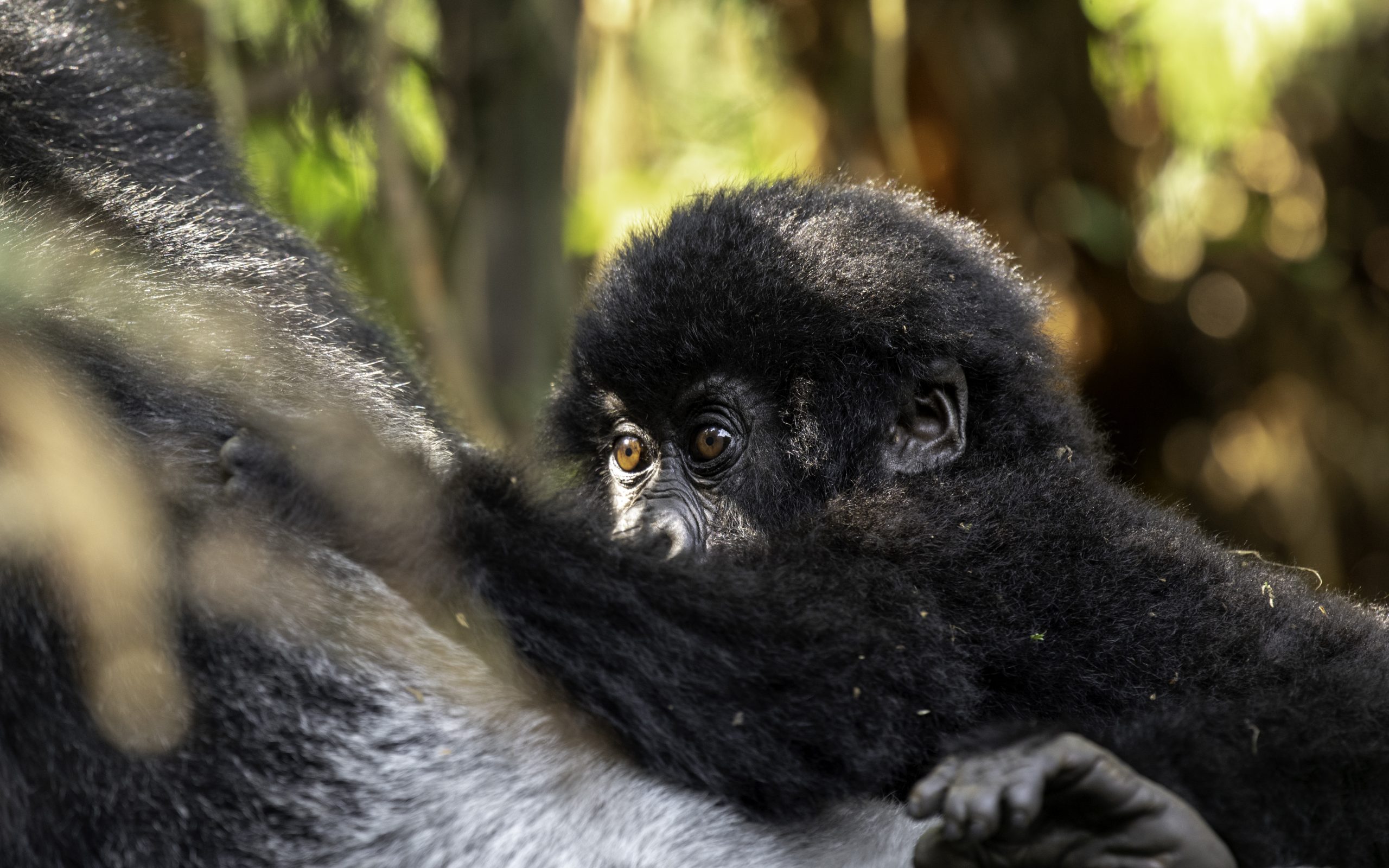
What are the Rules During Gorilla Trekking
What are the Rules During Gorilla Trekking
Rules During Gorilla Trekking (Essential Guidelines for a Safe, Ethical Trek)
Gorilla trekking is one of the most regulated wildlife experiences in Africa because gorillas are highly sensitive to human presence, especially to human illnesses and stress. Following trekking rules protects the gorillas, your safety, and the quality of the encounter.
1) Follow Ranger Instructions at All Times
Rangers and trackers lead every trek and have final authority on movement, spacing, and how long you stay with a gorilla group. Their guidance reduces risk of disturbing gorillas and helps prevent sudden incidents.
2) Keep a Minimum Distance (Typically ~7 Meters)
Maintain the minimum viewing distance (often 7 meters; rules can be stricter depending on park policy). This reduces stress and lowers disease transmission risk.
If gorillas approach you, do not move toward them—stand still and follow the ranger’s direction.
3) Never Touch the Gorillas
Even if a gorilla comes close, touching is forbidden. Human contact can transmit disease and can trigger unpredictable behavior.
4) Limit Time With the Gorillas (Usually 1 Hour)
Most parks restrict viewing time to one hour once you reach the gorillas. This limits disturbance and helps keep gorilla behavior natural.
5) Stay Quiet and Move Slowly
- Keep voices low
- Avoid sudden gestures
- Don’t run or make abrupt movements
Calm behavior helps gorillas remain relaxed and reduces the chance of a charge (which is often a warning behavior rather than an attack).
6) No Flash Photography (and Ask Before Filming)
Flash can startle gorillas and disrupt the encounter.
- Turn off flash
- Keep camera sounds low if possible
- Follow guidance on where to stand for photos
7) Don’t Eat, Drink, or Smoke Near Gorillas
Food smells and litter can alter wildlife behavior and create dependency or conflict. Smoking is also a health risk to gorillas and people.
8) If You’re Sick, Don’t Trek
Gorillas share many human respiratory vulnerabilities. If you have:
- a cough
- flu-like symptoms
- fever
- stomach illness
…tell your operator/guide. You may be asked not to trek for conservation reasons.
9) Cover Your Mouth/Nose When You Cough or Sneeze
If you must cough/sneeze:
- turn away from gorillas
- use your elbow or tissue
- inform the ranger
Some parks recommend or require masks—follow local rules.
10) Don’t Litter Pack Out Everything
Leave no trace:
- keep wrappers, tissues, bottles in your bag
- dispose of waste properly back at the station
This protects the forest ecosystem and avoids habituating wildlife to human items.
11) Stay With Your Group (Do Not Wander Off)
Gorilla trekking occurs in dense forest terrain. Staying together:
- prevents getting lost
- reduces risk from other wildlife
- avoids accidental separation that can startle gorillas
12) Respect Porters, Trackers, and Local Community Rules
Hiring a porter is often encouraged, it supports local livelihoods and can make steep trails easier. Be respectful of community guidelines and conservation fees.
Quick Checklist (Before You Start the Trek)
- Wear neutral colors, long sleeves, sturdy boots
- Bring rain gear and water (but don’t drink near gorillas)
- Turn off flash, silence your phone
- Listen to the pre-trek briefing carefully
FAQ (Rules During Gorilla Trekking)
1) How close can you get to gorillas during trekking?
Usually about 7 meters minimum, but follow your ranger conditions and park rules vary.
2) Can I use flash photography?
No. Flash is generally prohibited because it can disturb gorillas.
3) What happens if a gorilla approaches me?
Stay calm, don’t move toward it, avoid direct eye contact, and follow the ranger’s instructions.
4) Can children join gorilla trekking?
Many parks set a minimum age (often 15 years). Confirm with your operator and the specific park authority.
5) Why can’t sick people trek?
Because gorillas can catch human respiratory and other infections, which can be fatal to them.