
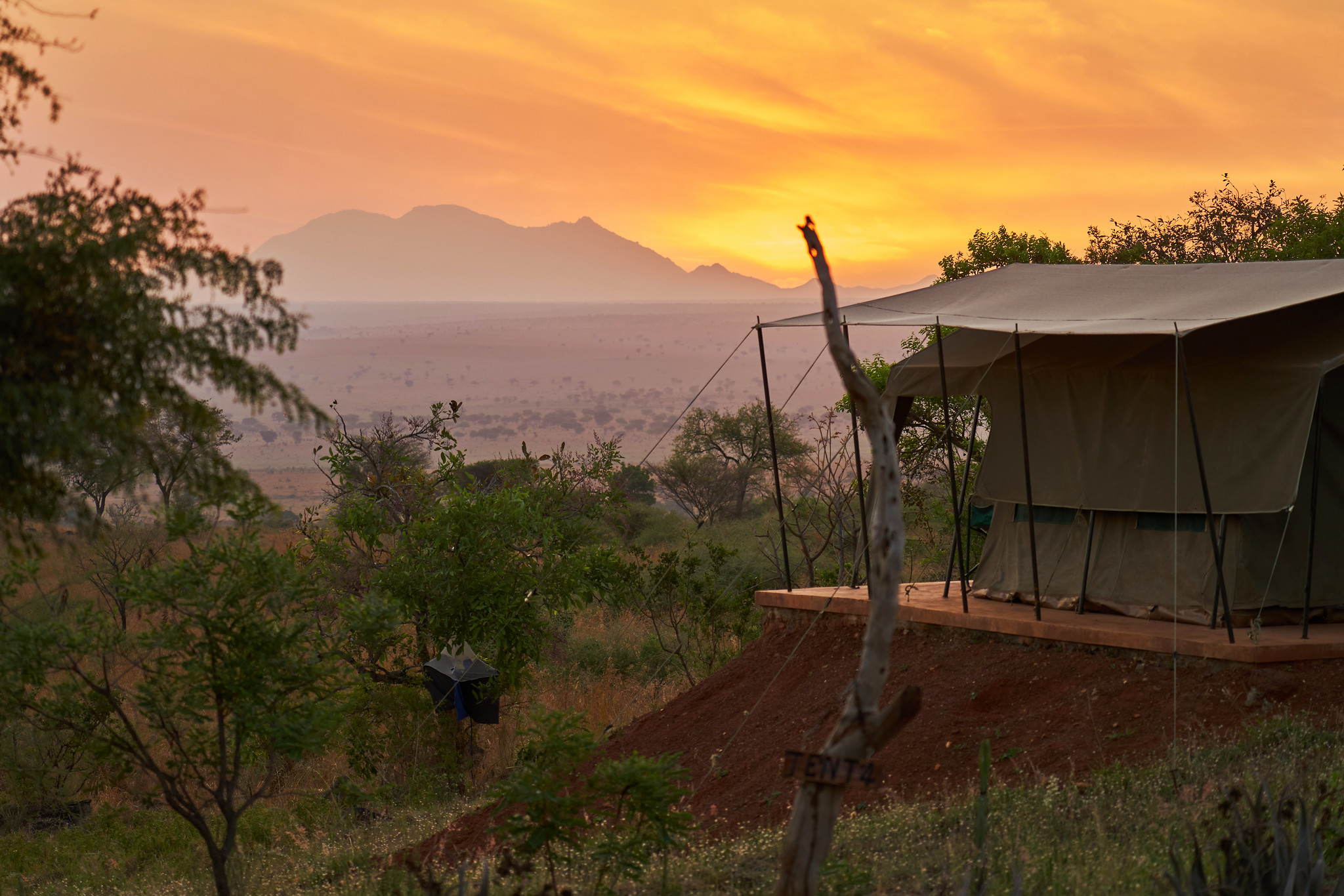
Lodges Camps Karamoja
Lodges Camps Karamoja
Lodges & Camps in Karamoja: Where to Stay for an Authentic, Wild Northeastern Uganda Safari
Karamoja is one of East Africa’s most compelling yet least commercial travel regions: wide savannahs, volcanic horizons, culturally rich communities, and a sense of remoteness that’s hard to find elsewhere in Uganda. Choosing the right place to stay matters here more than in many destinations: distances are long, services are spread out, and the “feel” of a lodge or camp can shape whether your trip is more comfort-forward, adventure-focused, or deeply cultural.
Below is a practical, traveler-first guide to lodges and camps in Karamoja, what to expect by area, how to pick the right base, and how to plan a smooth itinerary.
Karamoja at a Glance: Best Areas to Base Yourself
Karamoja isn’t a single “park-and-lodge” destination. It’s a region with several hubs, each suiting different interests.
Moroto & Mount Moroto (Cultural heart + hiking)
Best for:
- Karamojong cultural experiences (manyatta visits, community encounters)
- Hiking and viewpoints around Mount Moroto
- A convenient “first stop” coming from central/eastern Uganda
Kotido & Pian-Upe (Wild landscapes + wildlife, very off the beaten path)
Best for:
- Pian-Upe Wildlife Reserve: Uganda’s second largest protected area
- Dryland species and big-sky scenery
- Fewer crowds and a rawer safari feel
Kidepo Valley National Park (Premier wildlife + classic safari)
Best for:
- Game drives with strong wildlife density (lion, buffalo, elephant, giraffe, etc.)
- Dramatic savannah and mountain backdrops
- The most established lodge scene in the wider Karamoja region
What “Lodges & Camps” in Karamoja Are Like (Realistic Expectations)
Accommodation standards vary widely, and “camp” can mean anything from comfortable en-suite safari tents to very simple bush setups.
Typical categories include:
- Safari lodges: Permanent rooms/cottages, usually with en-suite bathrooms and on-site dining
- Tented camps: Canvas tents (often en-suite), more immersive, sometimes seasonal
- Community-run stays: Cultural depth, simpler facilities, great for responsible travel
- Budget guesthouses: Functional, basic, best for overlanders and tight budgets
When comparing options, check:
- Road access (especially in rainy seasons)
- Power supply (solar vs generator; hours of availability)
- Water (hot showers may be limited in some places)
- Security protocols and local guidance
Where to Stay in Moroto (Lodges & Camps)
Moroto is a logical base if you want cultural connection and access to Mount Moroto hikes.
1) Safari-style lodges in/near Moroto
These tend to offer:
- Reliable meals
- Guided cultural activities
- Easier logistics for transfers and excursions
Look for properties that can arrange:
- Local guides for hikes and community visits
- Market visits and cultural performance (only if community-led and respectful)
- Sunrise/sunset viewpoints
2) Cultural stays (community experiences)
These can be deeply rewarding if done well. Prioritize:
- Transparent community benefit (fees clearly shared)
- Respectful visitation policies (no intrusive photography)
- Consent-based experiences
Where to Stay for Pian-Upe & Kotido (True Wilderness Bases)
If your goal is Pian-Upe, you’ll want to base close enough to avoid very long daily drives.
What’s special about Pian-Upe stays
- Quiet, minimal tourism
- A sense of exploration rather than “polished safari”
- Great for photography of open plains and dramatic skies
What to ask before booking:
- Are game drives done with a ranger?
- Vehicle requirements (4×4 often essential)
- Best season for passable roads
Where to Stay for Kidepo Valley National Park (Top Safari Base)
Kidepo has the most recognizable safari-lodge ecosystem in the Karamoja region.
Best for a first-time “wow” safari
Kidepo is often where visitors feel they’ve found “Africa as imagined”—wide savannah, big herds, predators, and minimal traffic.
Kidepo lodge styles you’ll see
- High-end lodges: Elevated views, strong guiding, comfortable rooms
- Midrange camps: Great value, solid guiding, safari atmosphere
- Budget bandas/camps: Simple, practical, close to nature
When choosing, compare:
- Distance to park gate / prime valleys
- Guide quality (this matters more than décor)
- Wildlife-viewing strategy (morning + late afternoon drives)
How to Choose the Right Lodge or Camp in Karamoja.
Pick based on your travel style:
If you want comfort + easy logistics
Choose a lodge with:
- Full board (meals included)
- On-site guide coordination
- Reliable power/water
If you want culture + storytelling
Choose stays that:
- Work with local communities transparently
- Offer guided, consent-based visits
- Support crafts and local enterprises fairly
If you want wilderness + photography
Choose camps that:
- Get you close to Pian-Upe/Kidepo prime areas
- Know the best light and landscapes
- Can adapt routes and timings for conditions
Sample Karamoja Itineraries (Stay Strategy Included)
5 Days: Karamoja “Intro”
- Day 1: Travel to Moroto, overnight in Moroto
- Day 2: Cultural experience + short hike, overnight Moroto
- Day 3: Travel toward Kidepo area, overnight near the park
- Day 4: Full safari day in Kidepo, overnight near the park
- Day 5: Morning drive + depart
7–9 Days: Karamoja Deep Dive
- Moroto (2 nights) for culture + hiking
- Pian-Upe (2 nights) for wilderness + exploration
- Kidepo (3 nights) for premium wildlife viewing
This pacing reduces “drive fatigue” and increases quality time in each ecosystem.
FAQ (Karamoja Lodges & Camps)
1) Is Karamoja safe for travelers?
Safety has improved significantly, but conditions vary. Travel with reputable local operators, follow local guidance, and avoid moving at night on remote roads.
2) Which is better: Moroto or Kidepo?
They’re different. Moroto is best for culture and hikes; Kidepo is best for classic wildlife safari.
3) Do I need a 4×4 to reach lodges in Karamoja?
Often yes especially for Pian-Upe and during rainy seasons. Many lodges can arrange transfers, but 4×4 is typically recommended.
4) What’s the best time to visit Karamoja?
Dry months generally offer better road access and easier wildlife spotting. If you tell me your travel month, I can suggest the best route and base areas.
5) How many nights should I spend in Kidepo?
At least 2 nights; ideally 3 for unrushed game drives and to cover different parts of the park.