
Karamoja Cultural Safaris Experiences
Karamoja Cultural Safaris Experiences
Karamoja Cultural Safaris: Immersive Experiences in Uganda’s Untamed Northeast.
Karamoja is one of East Africa’s last truly wild cultural landscapes an expansive, semi-arid region in northeastern Uganda where ancient traditions, dramatic savannah horizons, and resilient pastoral communities converge. For travelers seeking more than “game drives and lodges,” Karamoja cultural safaris offer rare, human centered experiences: community encounters shaped by consent, storytelling, music, artisan skills, seasonal rhythms, and a deep relationship between people, cattle, and land.
If you’re planning a meaningful journey, here’s a detailed guide to the most compelling Karamoja cultural safari experiences, including practical ideas on how to structure your trip.
Why Choose Karamoja for a Cultural Safari?
Unlike more commercialized routes, Karamoja rewards visitors who value authenticity, patience, and cultural respect. It’s a place where travel can still feel like exploration especially when guided by local expertise and ethical operators.
Key reasons to prioritize Karamoja:
- Living heritage: pastoral life, oral traditions, dances, and rites remain strongly practiced
- Community-led encounters: many experiences can be arranged with local consent and guides
- Low crowds: far fewer vehicles and tour groups than Uganda’s southern circuits
- Outstanding landscapes: rugged mountains, open plains, and striking sunsets
- Wildlife: proximity to Kidepo Valley National Park offers the best of both culture and wildlife
Signature Karamoja Cultural Safari Experiences
1) Manyatta Visits: Understanding Daily Life and Social Structure
A manyatta is a traditional settlement often consisting of family homesteads arranged for protection, social cohesion, and livestock management. A properly facilitated visit can reveal:
- Household roles and responsibilities
- Food preparation methods and staple ingredients
- Livestock care and the cultural meaning of cattle
- Traditional building techniques and materials
Tip: Always ensure the visit is organized with community permission and fair compensation. Ethical guides will clarify what is appropriate to photograph and when to ask.
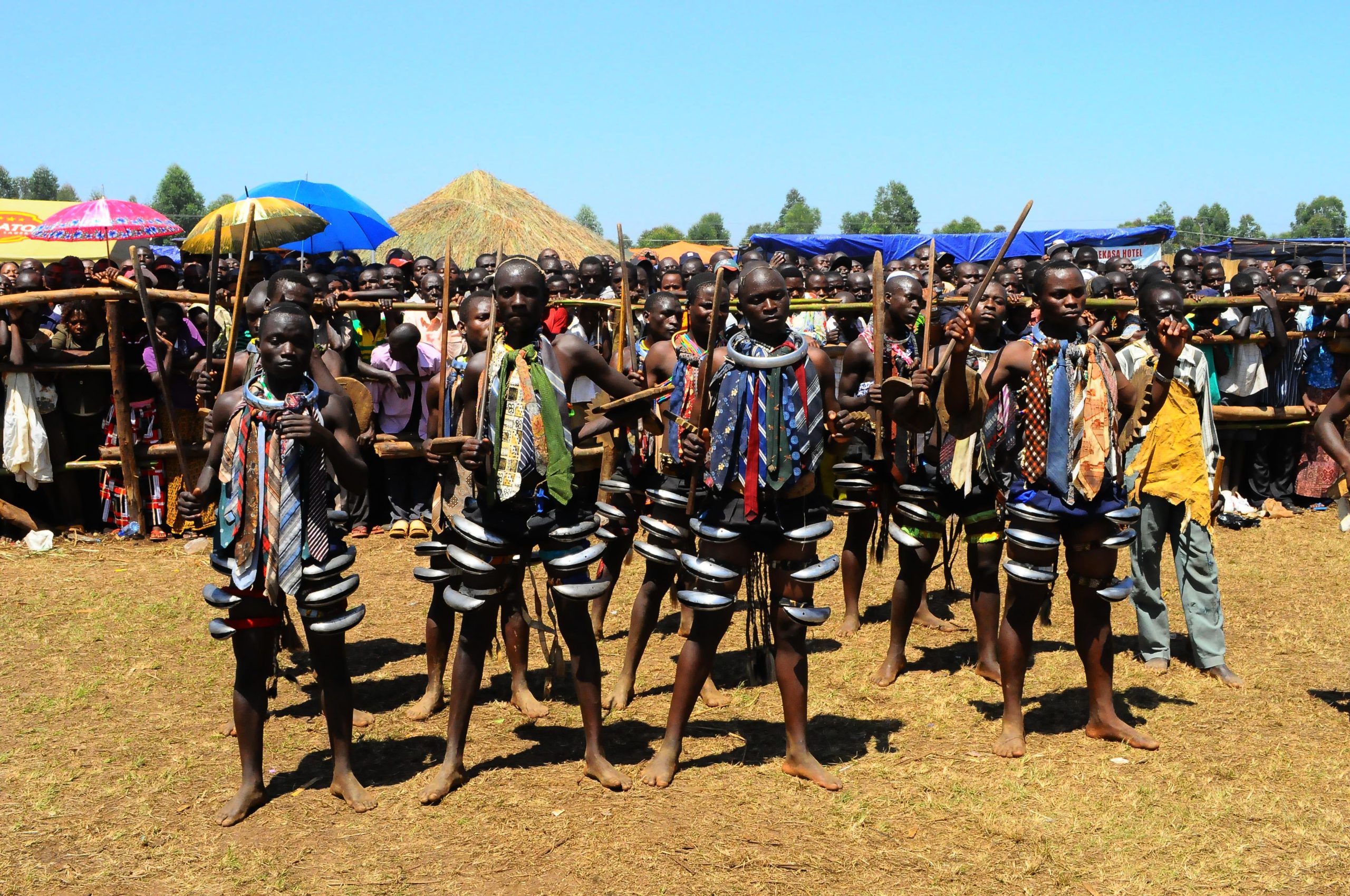
2) Traditional Dance and Music: Rhythm as Storytelling
Karamoja’s dance traditions are more than performance they are living narratives of identity, community unity, courtship, celebration, and memory. Depending on timing and local availability, you may experience:
- Call-and-response songs
- Communal circle dances
- Drum and vocal performances
- Ceremonial expressions tied to seasons or gatherings
For travelers combining cultural time with wildlife routes, you can also look into Uganda safaris planning pages via the Turkana Wildlife Safaris site
3) Artisan Encounters: Beadwork, Metalwork, and Craft Heritage
Karamoja is known for vibrant, symbol-rich adornment. Meeting artisans (or joining a short demonstration) can deepen appreciation for:
- Beadwork styles and meanings
- Handmade jewelry techniques
- Leatherworking and traditional accessories
- Craft trade and community livelihoods
If you’re seeking multi-day itineraries that blend culture and conservation, start with
4) Guided Cultural Walks: Landscape, Memory, and Meaning
A cultural walk led by a local guide often becomes the most memorable part of the trip because it ties the land to lived experience. These walks can include:
- Medicinal plants and traditional uses
- Folklore and oral histories linked to specific sites
- Herding routes, seasonal movement patterns
- Local perspectives on conservation and change
To coordinate guided experiences with a reputable operator
5) Culinary Tasting (When Available): Simple Foods, Deep Roots
Karamoja cuisine is shaped by pastoralism, local grains, and seasonal access. When possible and appropriate, a tasting may include:
- Millet or sorghum-based dishes
- Local greens and seasonal ingredients
- Community-prepared meals for visitors (arranged in advance)
Note: This depends heavily on location, community consent, and safety logistics. A quality organizer will prioritize hygiene and respectful engagement.
Pairing Karamoja Culture with Wildlife: The Ideal Combo
Many travelers combine Karamoja cultural touring with wildlife experiences in northeastern Uganda particularly Kidepo Valley National Park, known for:
- Lion, elephant, buffalo, giraffe, zebra
- Exceptional birdlife
- Vast scenic game-viewing landscapes
If your goal is a blended “culture + wilderness” itinerary, you’ll want a plan that balances:
- 2–4 days cultural immersion (community and craft encounters)
- 2–3 days wildlife focus (game drives, nature walks)
- Travel days (roads can be long; pacing matters)
Suggested 6–8 Day Karamoja Cultural Safari Outline
Option A: Culture-Forward (6–7 Days)
- Day 1: Arrival + local orientation
- Day 2: Manyatta visit + artisan encounter
- Day 3: Cultural walk + storytelling session
- Day 4: Dance/music (if arranged) + community exchange
- Day 5–6: Optional Kidepo wildlife extension
- Day 7: Return / departure
Option B: Balanced Culture + Kidepo (7–8 Days)
- Day 1–2: Karamoja cultural experiences
- Day 3: Transfer + scenic stops
- Day 4–6: Kidepo wildlife drives + nature activities
- Day 7–8: Return + final cultural stop (time permitting)
Responsible Cultural Tourism in Karamoja
To ensure your visit benefits communities and preserves dignity:
- Ask before photographing people, homes, rituals, or children
- Avoid intrusive questions about sensitive topics (security, conflict history) unless invited
- Pay fair fees for guided visits and performances
- Buy crafts ethically (directly from artisans where possible)
- Use local guides to avoid misunderstandings and ensure respectful access
FAQ: Karamoja Cultural Safaris
1) Is Karamoja safe to visit for cultural tourism?
Yes, with proper planning, current local guidance, and a reputable operator. Conditions can vary by area, so it’s best to travel with experienced guides and updated route planning.
2) What should I wear during community visits?
Choose modest, breathable clothing in neutral colors. Closed shoes are ideal for walks, and a hat helps in the heat. Avoid overly revealing outfits to respect local norms.
3) Can I take photos during cultural visits?
Often yes, but only with permission. In some moments it may be discouraged. A guide can help you ask respectfully and avoid sensitive situations.
4) How many days do I need for a real cultural experience?
A meaningful cultural experience usually needs at least 2–3 days. If you want deeper engagement plus Kidepo wildlife, plan 7–8 days.
5) Can I combine Karamoja with other Uganda highlights?
Yes. Many travelers combine it with Kidepo, or even extend to other parts of Uganda depending on time and travel style.