
Migration Safari
Migration Safari
Wildebeest Migration Safari: A Practical, High-Impact Guide to the Great Migration
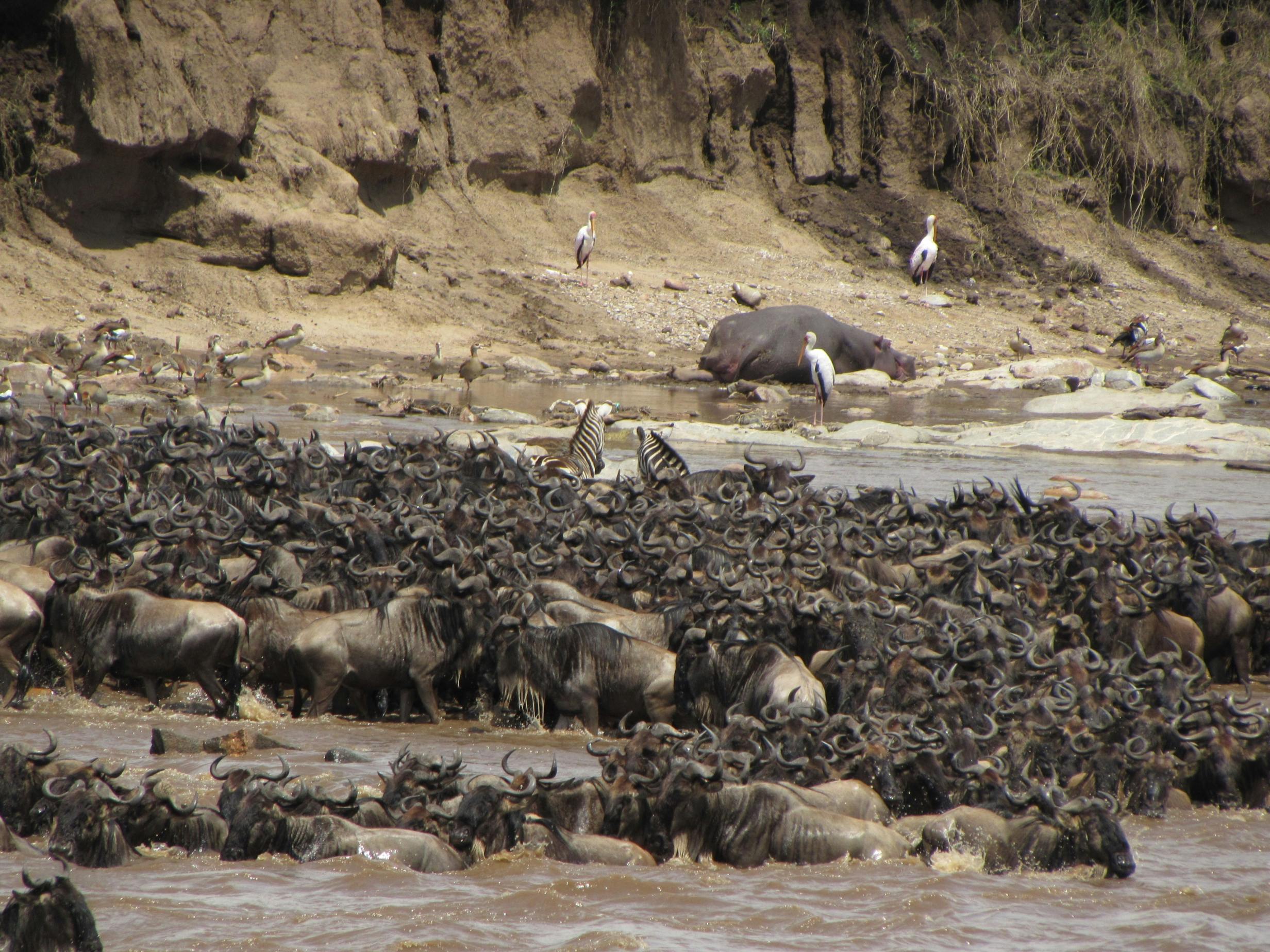
A wildebeest migration safari is one of the few travel experiences that reliably feels cinematic in real life: vast herds on open plains, predator drama, and river crossings that compress raw nature into a few unforgettable minutes. The annual Great Migration moves in a broad loop through the Serengeti (Tanzania) and the Masai Mara (Kenya), driven by rainfall patterns and fresh grazing.
If you’re planning a trip and want to anchor it with a reputable operator, you can start by exploring packages and planning information on Turkana Wildlife Safaris.
What the Wildebeest Migration Actually Is (and Why It’s So Special)
The migration involves over a million wildebeest, accompanied by large numbers of zebra and gazelles, moving across the ecosystem in search of nutritious grass and water. It’s not a single “event” on a single day; it’s a continuous cycle with seasonal highlights.
Key reasons travelers prioritize it:
- Immense wildlife density (herds measured in the tens of thousands)
- High predator activity (lion, leopard, cheetah, hyena, crocodile)
- Iconic landscapes: endless plains, kopjes, river corridors
- Strong “storybook safari” feel: dawn drives, golden light, dust trails
Best Time for a Wildebeest Migration Safari (Month-by-Month Highlights)
Timing depends on what you most want to see river crossings, calving season, or simply huge herds.
Jan–Mar: Calving Season (Southern Serengeti / Ndutu)
- Short grass plains attract the herds
- Many births occur—excellent for predator action
- Great for photography: open terrain, clean sightlines
Apr–May: Green Season + Movement North
- Lush scenery, fewer crowds
- More challenging road conditions in places (rains)
- Often better value than peak months
Jun–Jul: Transition Toward the Western/Northern Serengeti
- Herds concentrate and start pushing toward rivers
- Build-up to river crossing drama (varies by year)
Aug–Oct: River Crossings (Northern Serengeti / Masai Mara)
- The classic bucket-list period
- Crossings can happen multiple times, unpredictably
- Demand is high—book well ahead
Nov–Dec: Return South (Serengeti)
- Herds move back toward southern plains as rains return
- Great for those who want migration feel with less peak-season pressure
If you tell me your preferred travel month, I can recommend the best region (and a suitable itinerary style: fly-in, road-based, or mixed).
Where to Go: Serengeti vs. Masai Mara (and How to Choose)
Serengeti (Tanzania)
Best for:
- Vastness and variety of landscapes
- Following the migration across multiple zones
- Pairing with Ngorongoro Crater or Tarangire
Masai Mara (Kenya)
Best for:
- Intense wildlife density in a smaller area
- Easier logistics for shorter trips
- Excellent predator sightings during peak season
Safari Styles: How You’ll Experience the Migration
A migration safari can be built several ways depending on comfort, budget, and how “immersive” you want it to feel.
Common formats:
- Classic game-drive safari (4×4 drives morning/evening)
- Fly-in safari (maximizes time in prime areas)
- Mobile tented camp safari (camps move with the herds—high immersion)
- Private safari (flexibility for photography and pacing)
- Group joining safari (lower cost; fixed schedule)
If you’re choosing between lodges and camps, prioritize:
- Location relative to the herds for your travel month
- Guide quality and vehicle standards
- Park access and time allowed on sightings
- Ability to adjust the daily plan based on herd movement
What a Strong Migration Itinerary Looks Like
5–6 Days: Migration Focus (Good for tight schedules)
- 1 travel day + 4–5 game-drive days
- Best as fly-in or with minimal transfers
- Aim for one core zone (e.g., Northern Serengeti in Aug–Oct)
7–9 Days: Balanced Migration Safari (Most popular)
- Two different zones (e.g., Central + Northern Serengeti)
- Better chance to catch movement patterns and predators
- More flexible if herds shift
10–14 Days: The “Full Story” Safari
- Multiple Serengeti regions (or Serengeti + Mara)
- Add Ngorongoro Crater, Tarangire, Lake Manyara
- Best for photographers and first-timers who want variety
If you share your dates, budget range, and preferred comfort level, I can draft a tailored outline (and incorporate specific pages from turkanawildlifesafaris.com that match the plan).
Practical Planning Tips (That Make the Difference)
Booking window
- Peak migration months (Aug–Oct): reserve 6–12+ months ahead if possible.
- Calving season: 4–8 months is often workable for good camps.
What to pack (high-impact essentials)
- Neutral clothing layers (mornings can be cold)
- Dust protection (buff or light scarf)
- Binoculars
- Camera with a telephoto lens (or a good bridge camera)
- Reusable water bottle + sunscreen
Photography tips
- Prioritize dawn and late afternoon drives
- Use faster shutter speeds for crossings and hunts
- Expect dust bring lens cloths and a protective bag
Responsible viewing
- Crossings are stressful for animals; ethical guides keep distance
- Avoid crowding; patience often yields better sightings and photos
FAQ (5 Questions)
1) What is the best month for a wildebeest migration safari?
It depends on your priority: Jan–Mar for calving and predators; Aug–Oct for river crossing chances; Jun–Jul for buildup and concentrated herds.
2) Are river crossings guaranteed?
No. Crossings are unpredictable they depend on herd decisions, pressure from predators, and water levels. Good guides maximize your odds by tracking movement daily.
3) Is the Serengeti or Masai Mara better for first-timers?
If you want scale and variety, choose Serengeti. If you want easier logistics and dense wildlife viewing during peak season, choose Masai Mara.
4) How many days do I need to see the migration well?
Plan 7–9 days for a strong chance to encounter large herds and predator action without rushing between regions.