
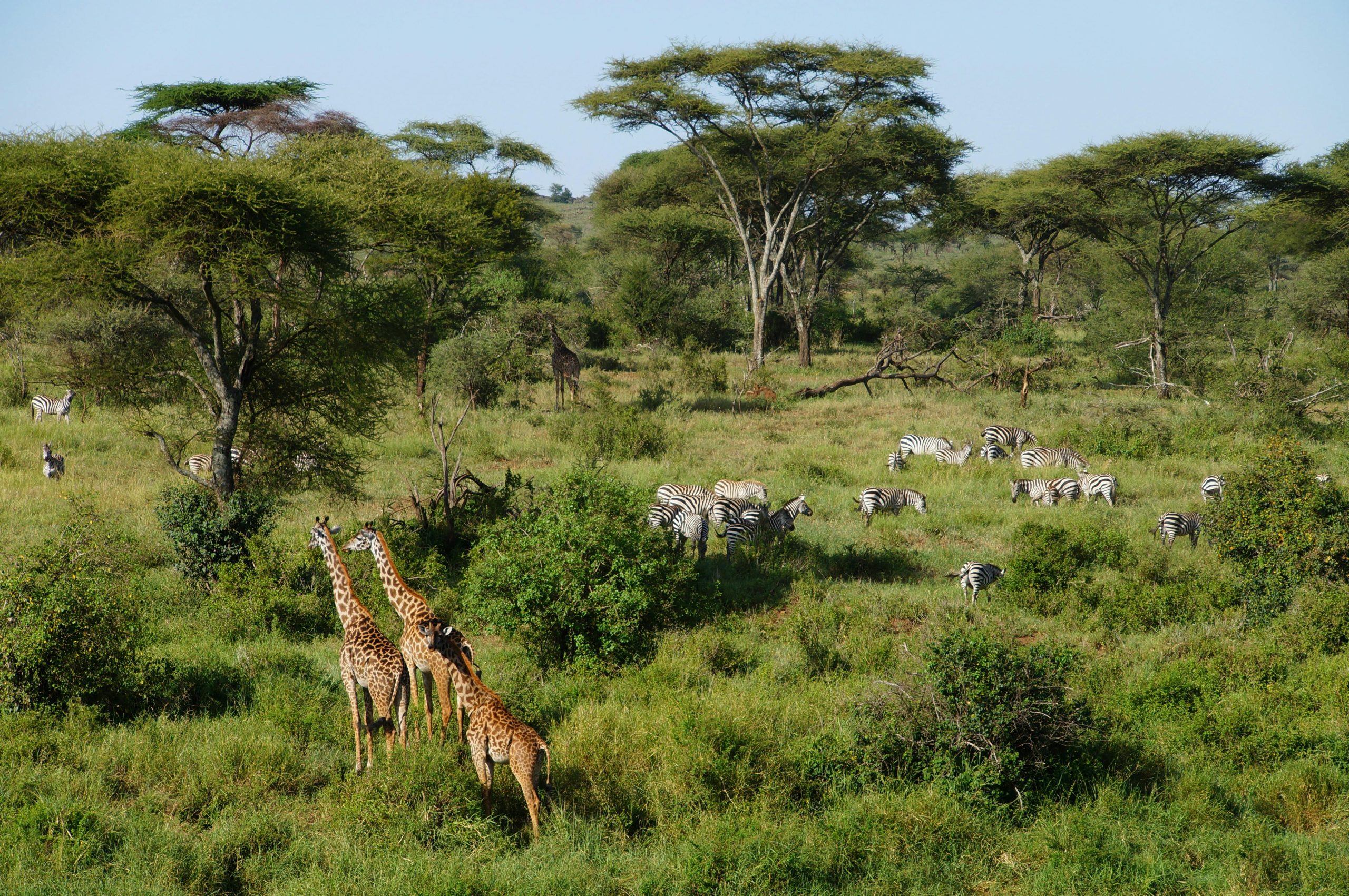
Ruma National Park Safari
Ruma National Park Safari
Ruma National Park Safari: A Complete Guide to Kenya’s Rare Roan Antelope Wilderness (With Routes, Costs, Best Seasons, and Expert Tips)
Ruma National Park is one of Kenya’s most underrated safari destinations an untamed, lake-region wilderness where sweeping grasslands, rugged escarpments, and seasonal wetlands form the last stronghold of Kenya’s roan antelope. If you’re looking for an experience that feels remote, authentic, and far from the crowded “classic circuit,” a Ruma National Park safari delivers a raw, rewarding journey especially for travelers who value rarity, birdlife, and off-the beaten-path exploration.
This in-depth guide covers what makes Ruma special, what to see, when to go, how to plan, and how to build a seamless itinerary with an expert operator.
Why Choose a Ruma National Park Safari?
Ruma National Park sometimes called the “Last Retreat of the Roan Antelope” offers the kind of safari that feels like discovery. Unlike more famous parks, Ruma is rarely crowded, and wildlife encounters often happen without a convoy of vehicles.
Key reasons travelers choose Ruma:
- A chance to see roan antelope, among Kenya’s rarest large mammals
- Wide-open landscapes ideal for photographic safaris
- Excellent birdwatching, especially around the seasonal wetlands
- Fewer vehicles and a sense of true wilderness
- Great to western Kenya routes (Kisumu, Homa Bay, Lake Victoria region)
Where Is Ruma National Park Located?
Ruma National Park lies in Homa Bay County in western Kenya, not far from Lake Victoria. It’s accessible by road from Kisumu, Homa Bay, and even Nairobi (longer overland routes).
Common Access Points
- Kisumu (closest major city with airport and amenities)
- Homa Bay town
- Nairobi (for travelers doing an extended road safari)
What Makes Ruma National Park Unique?
Ruma is the only protected area in Kenya where roan antelope are reliably found. But the park is more than a single species: it’s a mosaic of savannah grassland, thickets, and riverine features that support diverse wildlife and abundant birds.
Signature Features of the Park
- Roan antelope habitat: open grasslands and lightly wooded plains
- Seasonal wetlands: key for birds and scenic landscapes
- Rugged terrain: excellent viewpoints and dramatic horizons
- Low visitor traffic: quieter game drives and natural behavior sightings
Wildlife You Can See on a Ruma National Park Safari
Ruma’s wildlife isn’t about big cat density like the Mara its magic lies in rarity, solitude, and the thrill of tracking species that many travelers never see.
The Star: Roan Antelope
The roan is the headline species and the best reason to visit. They’re large, horse-like antelopes with striking facial markings and a powerful build.
Tips to maximize your chances:
- Start game drives early morning and late afternoon
- Focus on open plains and transitional habitat
- Spend at least 2 nights if roan is your top target
Other Mammals in Ruma
Depending on season and luck, you may encounter:
- Oribi
- Topi (in some areas)
- Buffalo (occasional)
- Hyena
- Leopard (rare and elusive)
- Primates and smaller mammals in thicket zones
Ruma is a place where patience is rewarded perfect for travelers who enjoy slower, more interpretive safaris.
Birdwatching in Ruma National Park
If you’re a birder (or even just bird-curious), Ruma can feel like a treasure map. The wetlands and grassland edges attract a variety of species.
Why Ruma is Excellent for Birds
- Seasonal water creates temporary feeding grounds
- Open vistas allow easy spotting and photography
- Diverse habitats support raptors, waterbirds, and savannah species
Best Time to Visit Ruma National Park
Ruma is a year-round destination, but conditions and wildlife visibility vary.
Dry Season (Generally Best for Driving & Visibility)
Pros:
- Easier road access
- Better visibility through shorter grass
- More predictable game drive routes
Cons:
- Water sources can shrink, shifting animal movement patterns
Wet Season (Lush, Photogenic, Bird-Rich But Challenging Roads)
Pros:
- Stunning green landscapes
- Excellent birdlife
- Fewer visitors (even quieter)
Cons:
- Some areas may be muddy or hard to reach
- Driving conditions can slow down itineraries
How Many Days Do You Need for a Ruma National Park Safari?
Ruma rewards time and attention. While it’s possible to do a short visit, the best experience comes with enough time for multiple game drives.
Recommended Length of Stay
- 1 day: Quick introduction; limited tracking time
- 2 days / 1–2 nights: Strong option for roan and birding
- 3 days / 2–3 nights: Ideal for slow safari, photography, and deeper exploration
Sample Ruma National Park Safari Itineraries
Below are practical itinerary structures you can adapt based on where you’re starting from.
2-Day / 1-Night Ruma Safari (From Kisumu)
Day 1
- Pick-up in Kisumu
- Drive to Ruma National Park
- Afternoon game drive
- Overnight (near park / arranged camp or lodge)
Day 2
- Early morning game drive (best time for roan)
- Return to Kisumu
3-Day / 2-Night Ruma Deep Safari (Best Value)
Day 1
- Transfer + evening game drive
Day 2
- Dawn game drive
- Midday rest / birding around wetland zones
- Late afternoon game drive
Day 3
- Final morning drive and departure
What to Pack for a Ruma National Park Safari
Because Ruma is remote and conditions can vary, packing smart makes a big difference.
Essentials Checklist
- Neutral-colored clothing (avoid bright tones)
- Light jacket for early morning drives
- Comfortable closed shoes
- Insect repellent
- Sunscreen + hat
- Binoculars
- Camera with zoom lens
- Reusable water bottle
- Power bank (especially useful in remote areas)
For Wet Season Travel
- Waterproof layer
- Dry bags for electronics
- Extra socks and quick-dry clothing
Safari Activities in Ruma National Park
Ruma is best known for game drives, but the experience is often enhanced by interpretive guiding understanding tracks, habitats, and behavior.
Possible activities include:
- Guided game drives (primary activity)
- Birdwatching focus drives
- Scenic stops for landscape photography
- Cultural/community in the wider region (where available)
Cost Considerations: What Influences Price?
A Ruma National Park safari can be cost-effective compared to more famous parks, but final pricing depends on:
- Number of days
- Vehicle type (4×4 vs standard)
- Accommodation level (budget/midrange/luxury)
- Private vs shared safari
- Starting point (Kisumu vs Nairobi)
- Park fees and guide services
Practical Travel Tips for Ruma National Park
- Use a 4×4, especially outside peak dry months
- Start early: roan sightings are often best in cooler hours
- Don’t rush: the park’s reward is in time and quiet observation
- Pair it well: combine with Lake Victoria experiences or Kisumu city stops
- Bring patience: Ruma is about rare encounters, not constant action
Frequently Asked Questions (FAQ)
1) Is Ruma National Park worth visiting compared to Masai Mara?
Yes, if you want a quieter, less commercial safari focused on rare species like the roan antelope, scenic grasslands, and birding. If you want high predator density and the “classic” big safari spectacle, the Mara may suit you better.
2) What is the best time to see roan antelope in Ruma?
Early morning and late afternoon game drives offer the best chances. Spending at least 2 days increases probability because roan can range widely.
3) Can I do a Ruma National Park safari from Kisumu?
Yes. Kisumu is a convenient base because it has an airport and good services. Many itineraries are built as 2–3 day trips starting there.
4) Is Ruma National Park good for birdwatching?
Very. Seasonal wetlands and mixed habitats attract a wide range of birds. The wet season can be especially productive for birdlife.
5) How do I book a Ruma National Park safari with a reliable operator?
Use a company experienced in Kenya’s less traveled parks and western Kenya logistics.