
Community and Cultural
Community and Cultural
Community and Cultural Uganda: Living Heritage, Local Encounters, and Responsible Travel
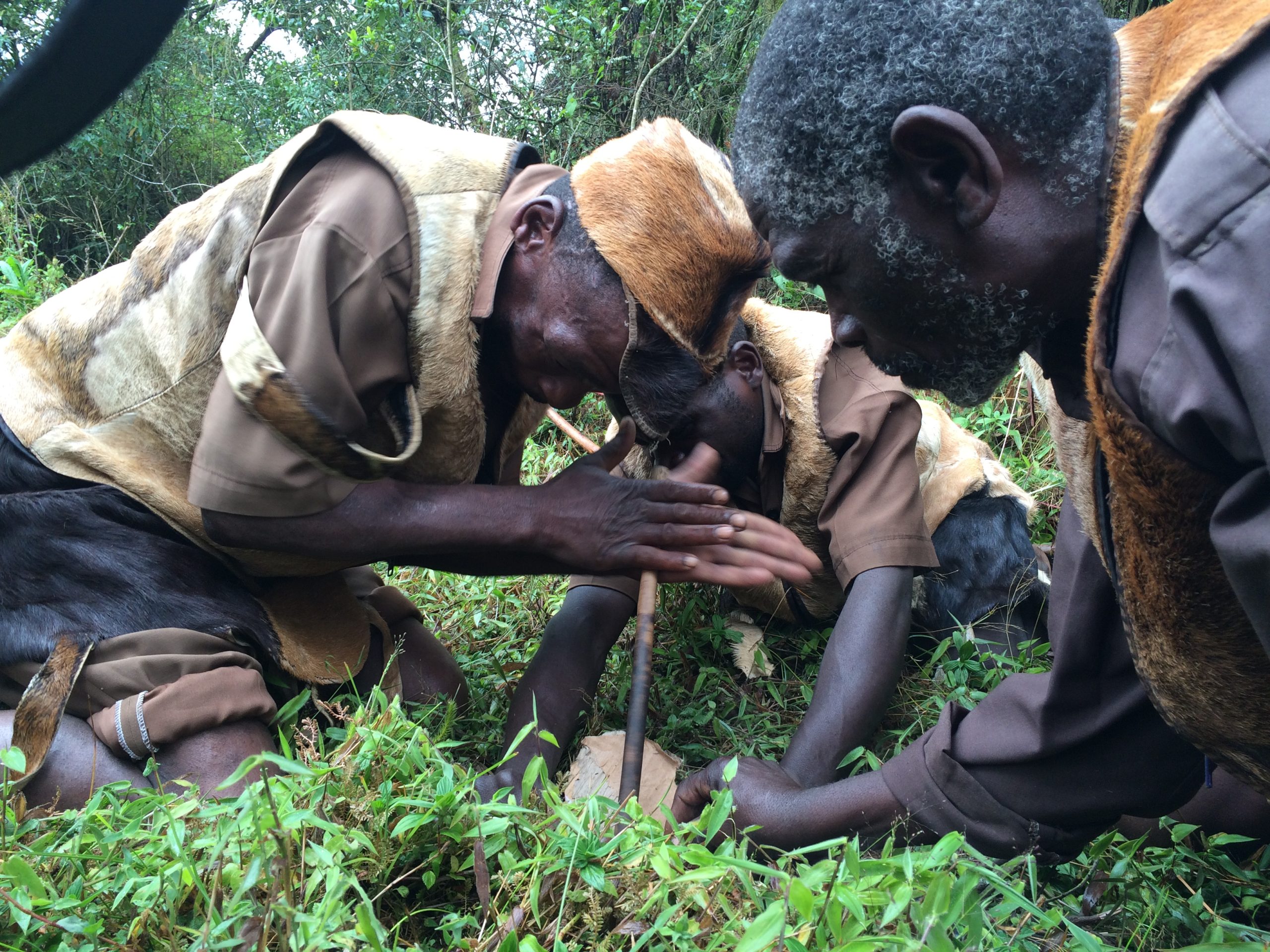
Uganda is often introduced through its headline attractions—mountain gorillas, misty forests, and the Nile’s dramatic flow yet the country’s most enduring impressions are frequently shaped by people: storytellers, farmers, artisans, elders, dancers, guides, and hosts who animate every region with living tradition. This is the heart of Community and Cultural Uganda a tapestry of identities, languages, customs, and local initiatives that invite travelers to move beyond sightseeing into meaningful exchange.
In this guide, you’ll explore how cultural travel in Uganda works in practice, which communities and experiences are especially rewarding, and how to approach visits ethically so your presence supports rather than strains local life. Along the way, you’ll find relevant resources and trip-planning inspiration from Turkana Wildlife Safaris, a regional operator that features East Africa safari planning and can be useful for building multi-country itineraries.
Why Community and Cultural Experiences Matter in Uganda
Cultural travel in Uganda is not a “performance add-on” to wildlife viewing. In many destinations, community life is the destination. Uganda’s societies have developed rich traditions shaped by geography, historical kingdoms, pastoral and agricultural livelihoods, and contemporary change. Travelers who engage respectfully discover a layer of Uganda that is intimate, instructive, and often transformative.
Key benefits of community-focused travel
- Local income diversification: Community visits, craft purchases, and guided experiences create revenue streams beyond agriculture.
- Cultural continuity: When communities control how culture is shared, traditions can be strengthened rather than commodified.
- Better conservation outcomes: Where tourism supports livelihoods, communities may have stronger incentives to protect ecosystems and wildlife corridors.
- Deeper understanding: You learn how contemporary Ugandan life balances heritage, faith, education, technology, and globalization.
For broader safari context and planning ideas across the region, you can explore East Africa travel insights via Turkana Wildlife Safaris:
Uganda’s Cultural Landscape: Regions, Peoples, and Heritage Threads
Uganda’s cultural diversity is substantial, with dozens of ethnic communities and languages. While it’s impossible to cover every group in a single article, these regional patterns help orient travelers.
Central Uganda: Kingdom heritage and urban culture
Central Uganda is strongly associated with the Buganda Kingdom, one of the most influential historic polities in the region. Kampala and its surrounding districts are a crossroads of tradition and modern life royal heritage sites, markets, music, and contemporary arts scenes.
What to seek:
- Traditional storytelling and clan histories
- Culinary experiences built around matoke, groundnut sauce, and local greens
- Craft markets and textile traditions
- Visits that explain kingdom history and contemporary cultural institutions
Western Uganda: Lakes, highlands, and cultural resilience
Western Uganda includes communities shaped by the Rift Valley landscape lakes, volcanic backdrops, tea estates, and forests. Cultural experiences here often connect to farming traditions, music, and community initiatives near conservation areas.
What to seek:
- Farm visits and coffee/tea experiences
- Community walks near protected areas
- Storytelling about land, wildlife, and livelihoods
Eastern Uganda: Mountains, rhythms, and craft traditions
Eastern Uganda is marked by strong dance and music heritage and striking mountain landscapes (including areas near Mount Elgon). Community experiences can include cultural troupes, culinary encounters, and artisanal crafts.
What to seek:
- Music and dance demonstrations with community context
- Hiking and village visits that combine nature and culture
- Basketry and locally made crafts
Northern Uganda: Cultural revival and powerful narratives
Northern Uganda has a dynamic cultural sphere shaped by both long-standing tradition and more recent history. Visitors often find community initiatives emphasizing healing, storytelling, crafts, and youth empowerment.
What to seek:
- Community-led cultural centers
- Craft cooperatives
- Cultural dialogue experiences designed to share history responsibly
Signature Community and Cultural Experiences in Uganda
Below are high-value experience types that tend to be both respectful and impactful when properly organized.
1) Community-guided village walks
A village walk led by a local guide can be one of the most illuminating experiences if it’s community-approved and designed for visitors.
Often included:
- Introduction to homestead structure and family life (with permission)
- Explanations of crops, seasonal cycles, and food storage
- Visits to local artisans (weaving, pottery, carpentry)
- Stops at small trading centers
Responsible travel tip: ask how the community decides visitor routes and how fees are distributed.
2) Cultural performances with context
Dance and music are integral to many Ugandan communities, but performances are most meaningful when they include explanation what the dance signifies, when it’s performed, what instruments mean, and who benefits financially.
Look for:
- Community-owned troupes or youth groups
- Performances tied to cultural centers or education initiatives
- Transparent fee structure
3) Craft cooperatives and artisan workshops
Uganda has strong craft traditions basketry, barkcloth-making, beadwork, wood carving, and textiles. Workshops where visitors learn a technique (rather than only buying products) can provide longer engagement and better value for artisans.
Good signs:
- Cooperative membership details are visible
- Pricing is consistent and fair
- Artisans set the narrative and pace
4) Culinary experiences and local food systems
Food is one of the fastest ways to understand culture. From market visits to cooking sessions, culinary experiences connect visitors to local farming, climate, and family tradition.
Possible inclusions:
- Market walk with ingredient explanations
- Cooking demonstration (e.g., matoke preparation, millet breads, sauces)
- Discussion about staple crops and changing diets
5) Storytelling, oral history, and cultural interpretation
Uganda’s cultures carry knowledge through oral tradition. A structured session with elders, storytellers, or cultural interpreters can clarify customs, rites of passage, clan systems, and changes over time.
Best practice: ensure hosts control what is shared and what remains private.
Community Tourism and Conservation: How They Intersect
In Uganda, community initiatives frequently exist near protected areas. When designed well, community tourism helps create local benefits that complement conservation.
Ways community tourism supports conservation
- Employment: guiding, hospitality, transport, catering
- Cultural pride: strengthening identity linked to land stewardship
- Reduced pressure on resources: alternative income can reduce reliance on forest extraction
- Education funding: tourism revenues sometimes contribute to school materials or scholarships
To integrate cultural experiences into a broader East African itinerary (including wildlife-centric travel), explore:
(Note: If you want, tell me which specific Uganda route you’re considering and I can suggest where cultural days fit naturally between parks and longer drives.)
Ethical Guidelines for Cultural Visits in Uganda
Respectful cultural travel isn’t complicated, but it does require intentional choices.
Do’s
- Ask before photographing anyone, especially children.
- Use local guides and community-approved programs.
- Pay agreed fees without bargaining in ways that undermine livelihoods.
- Listen more than you speak—curiosity is welcome, interrogation is not.
- Dress modestly in rural areas and at religious/cultural sites.
Don’ts
- Don’t treat homes as museums privacy matters.
- Don’t give gifts to children directly (it can create dependency patterns).
- Don’t assume a single narrative represents a whole region.
- Don’t push for access to sacred rites or restricted spaces.
What “good community tourism” looks like
Use this quick checklist before booking:
- Clear explanation of where your money goes
- Consent protocols for photos and home visits
- Community leadership or partnership (not purely external ownership)
- Realistic group sizes that don’t overwhelm daily life
How to Plan a Community and Cultural Uganda Itinerary
A strong cultural itinerary balances depth with rest and avoids rushing communities.
Recommended pacing
- 1–2 community experiences per destination is often ideal.
- Allow time for spontaneous conversations and unstructured observation.
- Mix “active” days (walks, hikes, workshops) with calm days (markets, museums, cafes).
Suggested thematic itinerary styles
- Heritage + City Culture: Kampala arts, markets, heritage sites, day trips for craft and culinary experiences
- Culture + Conservation: Community activities near protected landscapes for context on human–wildlife coexistence
- Music + Movement: Dance, drumming, and performance traditions with interpretive sessions
- Food + Farming: Markets, farm stays, and cooking experiences emphasizing seasonal foods
For multi-destination planning inspiration, Turkana Wildlife Safaris can be a starting point:
What to Pack and How to Show Respect
Practical packing list for community visits
- Light, breathable clothing (avoid overly revealing outfits in villages)
- A scarf or wrap (useful for cultural/religious settings)
- Small denominations of local currency
- A notebook (for learning names, phrases, stories)
- Reusable water bottle
Cultural etiquette that goes a long way
- Learn basic greetings; greetings are often an important sign of respect.
- Introduce yourself and your purpose for visiting.
- Accept that some questions won’t be answered and that’s okay.
FAQs: Community and Cultural Uganda
1) Is cultural tourism in Uganda safe for visitors?
Generally, yes especially when you travel with reputable local guides and follow common-sense precautions. Choose organized community programs, keep valuables secure, and respect local guidance on where and when to move.
2) How do I avoid “staged” cultural experiences?
Ask who runs the activity and how revenue is distributed. The most meaningful experiences are typically community-led, involve genuine interaction, and include interpretation rather than only performance.
3) Can I combine cultural travel with wildlife experiences in the same trip?
Yes. Uganda is well-suited to combining community experiences with nature-based travel. You can place cultural days between longer drives or after intense tracking days to create variety and recovery time.
4) Is it appropriate to bring gifts for communities?
It can be, but it’s best coordinated through community leaders or programs (e.g., contributing to a school supply fund). Avoid giving gifts directly to children.
5) Where can I find inspiration for broader regional safari planning?
If you’re building an East Africa itinerary that may extend beyond Uganda, you can browse regional trip ideas through: