
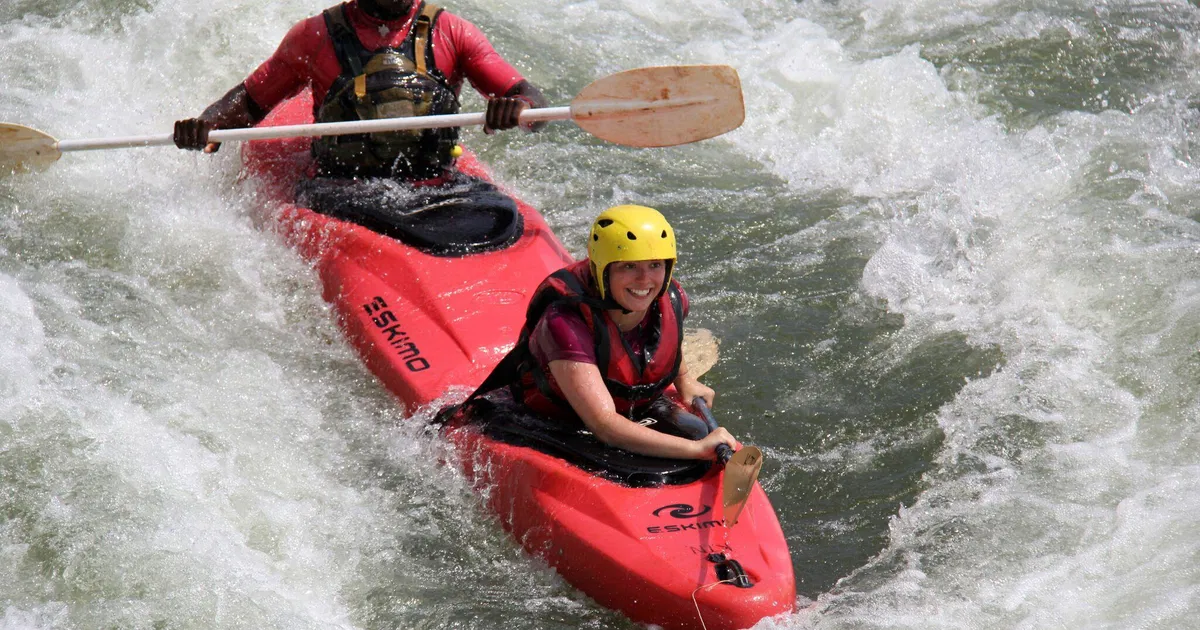
Kayaking on The Nile
Kayaking on The Nile
Kayaking on the Nile in Jinja, Uganda: The Complete Guide to Paddling Africa’s Iconic River
Jinja, often called the adventure capital of East Africa, is one of the world’s most storied paddling destinations. Set near the historic source of the Nile, this small Ugandan town has built a global reputation for adrenaline sports, especially kayaking. Whether you’re a complete beginner looking for a calm introduction on flatwater, or an experienced whitewater paddler chasing big features on the Nile’s legendary rapids, Jinja offers an exceptional mix of scenery, culture, and river variety.
In this guide, you’ll learn what kayaking in Jinja is like, the best seasons to go, how to choose between flatwater and whitewater, what to pack, how to stay safe, and how to plan a smooth trip from Kampala or Entebbe.
Why Kayak the Nile in Jinja?
Kayaking here is not just about rapids, it’s about paddling a river that has shaped civilizations, ecosystems, and trade routes for thousands of years. Jinja sits on the upper reaches of the White Nile, where the river leaves Lake Victoria and begins its long journey north.
What makes Jinja special for kayaking
- Legendary whitewater with playful waves and big-water lines
- Accessible flatwater for touring, technique, and wildlife watching
- Warm climate that supports paddling nearly year-round
- Well-established guiding scene with safety infrastructure
- Easy rafting, bungee jumping, cycling, horseback riding, and more
Understanding the Kayaking Options in Jinja
Jinja offers two main kayaking experiences: flatwater and whitewater. Choosing the right one depends on your skill level, risk tolerance, and what kind of day you want on the river.
Flatwater Kayaking: Scenic, Relaxed, and Beginner-Friendly
Flatwater paddling around the Nile’s calmer sections (and nearby lagoons/channels) is ideal for:
- First-timers learning basic paddle strokes
- Families or mixed-ability groups
- Photographers and birders
- Travelers who want a quiet, reflective river experience
What you’ll see on flatwater
- Lush riverine vegetation
- Local fishing boats and riverside life
- Birdlife (kingfishers, herons, egrets, and more)
- Sunrise and sunset color over the water
Flatwater trips typically include a safety brief, basic instruction, and a guide who reads current and wind conditions.
Whitewater Kayaking: Big Water, Big Smiles
Jinja became internationally famous for its whitewater, with rapids that can be powerful and technical depending on flows. Whitewater kayaking here generally falls into:
- Introductory whitewater (learning in safer sections/eddies)
- Intermediate runs (surf waves, controlled ferries, reading water)
- Advanced runs (complex lines, larger features, higher consequences)
Key point: skill assessment matters
A reputable outfitter will evaluate your experience before selecting a section. If you’re new, expect a progression-based approach rather than being thrown into the biggest rapids.
For broader trip building especially if you want to add wildlife viewing or multi-country travel check Turkana Wildlife Safaris and ask them to align transport days with your paddling schedule.
Best Time of Year to Kayak the Nile in Jinja
Uganda’s climate is generally favorable for kayaking, but seasons influence river conditions, rainfall, and comfort.
Typical seasonal considerations
- Drier months: more predictable logistics and sunshine
- Rainy periods: potentially higher flows and more dynamic water
- Shoulder seasons: fewer crowds, good deals, still very paddleable
Because conditions vary year to year, it’s smart to:
- Ask your outfitter about current flows and recommended runs
- Plan a flexible itinerary if whitewater level is a priority
If you’re coordinating paddling with a longer East African circuit, it can help to consult a tour operator for timing start with Turkana Wildlife Safaris as a reference point.
Choosing the Right Trip: Half-Day, Full-Day, or Multi-Day
Your ideal kayaking plan depends on your experience and how much time you want on the water.
Half-day trips
Best for:
- Travelers with limited time
- Flatwater paddles at sunrise/sunset
- Intro skills sessions for beginners
Full-day trips
Best for:
- A complete whitewater run (with breaks and safety coverage)
- Skill development plus time to repeat features
- Combining paddling with riverside lunch stops
Multi-day paddling camps/coaching
Best for:
- Paddlers who want measurable improvement
- Visitors who want to surf waves, practice rolls, and refine technique
- People chasing specific features over multiple days
Safety: What You Should Know Before You Paddle
Kayaking is safe when it’s guided responsibly and matched to your ability. But rivers demand respect especially big-water systems.
Safety essentials you should expect
- A properly fitted PFD (life jacket)
- A helmet for whitewater
- A throw rope and rescue equipment carried by guides
- A clear briefing on signals, hazards, and swim protocols
- A plan for evacuation/first aid
Questions to ask any operator
- What sections do you run for my skill level?
- What’s your guide-to-guest ratio?
- Do you provide kayaking instruction or just guiding?
- What’s included (transport, gear, meals, photos)?
- What happens if weather/river conditions change?
If you want a single coordinator for transport, accommodation, and activities especially if you’re combining river time with safaris ask a planner such as Turkana Wildlife Safaris to help streamline the itinerary.
What to Pack for Kayaking in Jinja
You don’t need to overpack most operators provide technical gear. But personal comfort items matter.
Clothing and personal items
- Quick-dry shirt and shorts (or lightweight layers)
- Swimsuit
- Sun protection (hat, sunscreen, polarized sunglasses with retainer)
- Lightweight rain jacket (season-dependent)
- Change of clothes for after the river
Useful extras
- Dry bag or waterproof phone case
- Refillable water bottle
- Insect repellent
- Any necessary medications
Footwear
- Secure sandals or water shoes (avoid flip-flops on whitewater days)
Getting to Jinja: Simple Logistics
Most travelers reach Jinja via:
- Entebbe International Airport (EBB)
- Kampala (often the overnight base before heading east)
The drive to Jinja is generally straightforward, and many paddling packages include transport. If you’d like help organizing airport transfers and cross-border route planning, consider using a trip planner like Turkana Wildlife Safaris.
Where to Stay in Jinja (By Travel Style)
Jinja has a wide range of accommodation, from backpacker-friendly riverside hostels to comfortable lodges.
Popular accommodation styles
- Riverside lodges: scenic, quiet, convenient for early starts
- Town hotels: easy access to restaurants and markets
- Budget hostels/camps: social scene, often paired with adventure packages
When choosing, consider:
- Distance to the launch point
- Security and storage for valuables
- On-site meals (helpful after long river days)
Beyond Kayaking: Top Things to Do in Jinja
Jinja is built for adventure and recovery days.
Great
- Whitewater rafting (different feel than kayaking)
- River cruising at sunset
- Bungee jumping or ziplining
- Cultural tours and local markets
- Cycling tours around the Nile region
If you’re turning Jinja into part of a bigger East Africa journey, use Turkana Wildlife Safaris as a starting point to connect river adventure with safari or regional highlights.
Responsible Travel: Respecting the River and Community
Kayaking tourism supports jobs and community businesses when done thoughtfully.
Paddle responsibly
- Avoid littering and keep plastics off the river
- Respect local fishing areas and river traffic
- Follow guide instructions, especially near villages and crossings
- Choose operators with fair employment and safety practices
Small decisions like booking local guides and staying longer than a single day can have a meaningful impact.
Sample 3-Day Kayaking Itinerary in Jinja
Day 1: Arrival + easy paddle
- Travel to Jinja, check in
- Sunset flatwater kayak to get comfortable
- Early night, hydrate
Day 2: Whitewater day (skill-matched)
- Safety briefing and warm-up
- Full-day whitewater run with lunch
- Optional video review or technique session
Day 3: Recovery + culture
- Easy morning paddle or river cruise
- Local craft market and town exploration
- Depart to Kampala/Entebbe (or continue onward)
FAQ: Kayaking on the Nile in Jinja
1) Is kayaking on the Nile in Jinja suitable for beginners?
Yes, many operators offer flatwater trips and beginner-friendly instruction. Whitewater is also possible for beginners in controlled sections with coaching.
2) Do I need to bring my own kayak or gear?
Usually no. Outfitters typically provide boats, paddles, helmets, PFDs, and sometimes splash gear. Bring personal items like quick-dry clothing and sun protection.
3) What’s the difference between rafting and kayaking on the Nile?
Rafting is group-based with a guide steering; kayaking is typically solo (or tandem) and more skill-driven. Kayaking offers more control and technique rafting is often more accessible for first-timers.
4) Is it safe to kayak in Jinja?
It can be very safe with reputable guides, correct equipment, and appropriate river sections for your skill level. Always choose licensed, safety-focused operators and follow instructions.
5) Can I combine kayaking in Jinja with a safari trip?
Yes. Many travelers combine Jinja with wildlife destinations in Uganda or the wider region. A trip planner like Turkana Wildlife Safaris can help structure transport and timing.