
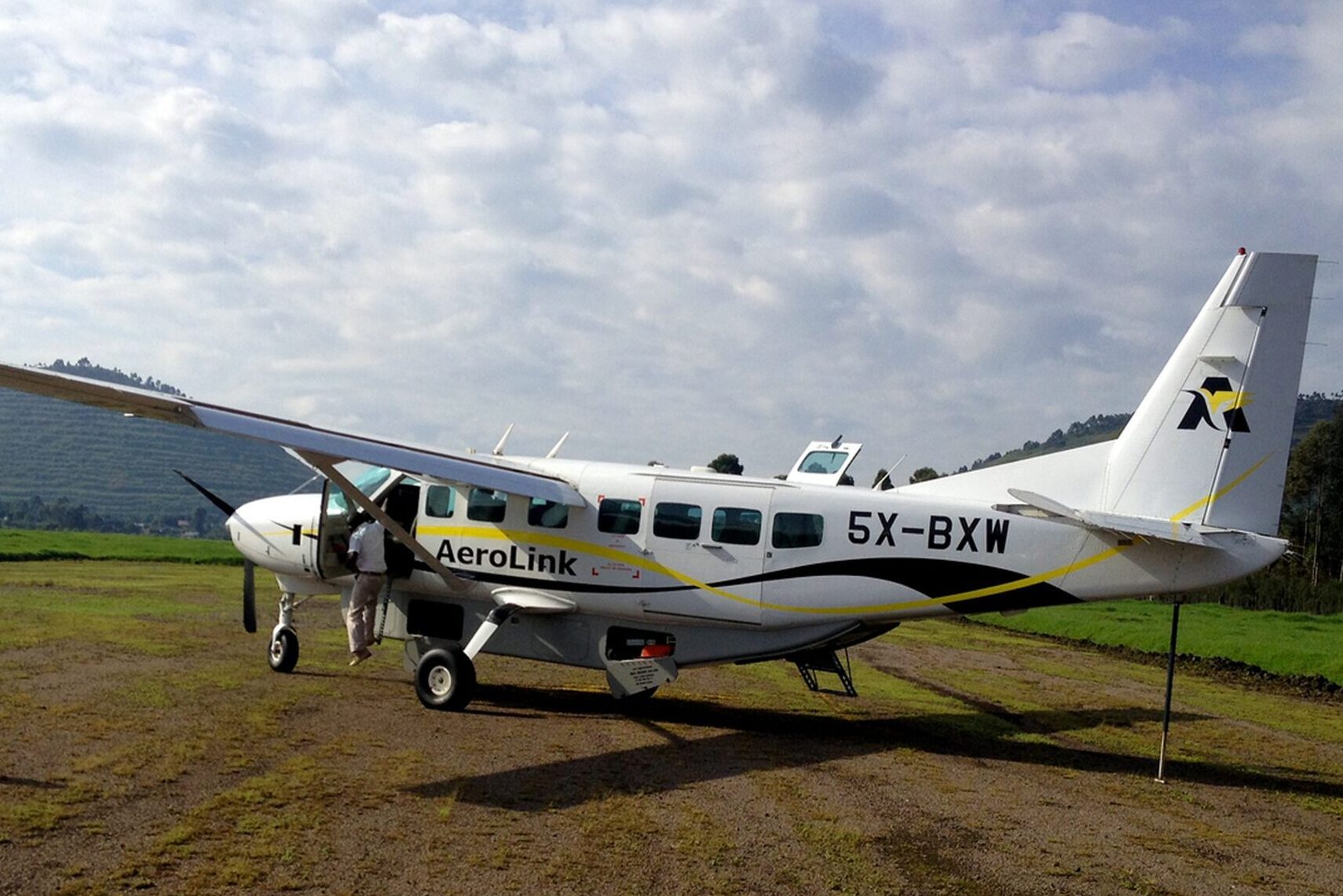
Uganda Airstrips
Uganda Airstrips
Uganda Airstrips: A Complete Guide to Flying Into Uganda’s Safari Parks and Remote Regions
Uganda is often celebrated for its mountain gorillas, primate forests, Nile adventures, and classic savannah wildlife. What many travelers don’t realize until they begin planning is that Uganda’s network of airstrips makes it possible to move quickly between regions that would otherwise require long, bumpy road transfers. From landing near the thundering Murchison Falls to touching down on the savannahs of Kidepo Valley, domestic flights can transform an itinerary especially if you have limited time or want to combine multiple parks in one trip.
This guide covers the most important airstrips in Uganda, what to expect when flying in, how to choose the best landing point for your safari, practical planning advice, and common questions travelers ask.
If you’re comparing regional safari planning resources, you may also find it helpful to browse operators that cover East Africa broadly. For example, see Turkana Wildlife Safaris for inspiration around safari logistics and routes.
Why Use Airstrips in Uganda?
Flying within Uganda isn’t just about comfort often it’s the difference between a feasible itinerary and an exhausting one.
Key benefits of domestic flights
- Time savings: A flight to a remote park can take 1–2 hours versus 8–12 hours by road.
- Better connections: You can combine western parks (e.g., Queen Elizabeth) with far-north parks (e.g., Kidepo) without losing multiple days to transit.
- Access during rainy periods: Some roads become challenging; flights can keep plans on track.
- Special experiences: Scenic flights over lakes, the Albertine Rift, and savannah landscapes add value.
When road travel may still be best
- If you want en-route stops (markets, crater lakes, cultural sites).
- If your group is larger and you’re cost-sharing a vehicle.
- If you want flexibility for photography and off-the-beaten-path detours.
Understanding Uganda’s Flight Network (Domestic & Charter)
Uganda’s “safari flights” are typically:
- Scheduled domestic flights (limited routes, set timetables)
- Charter flights (high flexibility; common for multi-park itineraries)
Most flights are operated using small aircraft (e.g., Cessna Caravan). Luggage restrictions are common, and soft bags are typically required.
The main air hub
Entebbe International Airport (EBB) is the main international gateway and a key departure point for domestic connections.
Major Uganda Airstrips by Safari Region
Below is a practical list of the most-used airstrips for travelers heading to national parks and remote areas. Availability, flight frequency, and seasonal conditions can vary.
Murchison Falls National Park Airstrips
Murchison Falls is Uganda’s flagship savannah destination, famous for Nile boat cruises and strong chances of lion, elephant, buffalo, giraffe, and hippo sightings.
1) Pakuba Airstrip
Best for: Northern sector game drives and lodges
Why it matters: Pakuba is often the most convenient landing point for the popular wildlife circuits north of the Nile.
What to expect:
- Basic airstrip facilities
- Transfers typically arranged by your lodge or tour operator
- Great for itineraries that combine game drives + Nile cruise
2) Bugungu Airstrip
Best for: Southern access / specific lodge placements
Why it matters: Depending on your lodge and which side of the park you’re staying in, Bugungu may reduce transfer times.
3) Chobe Airstrip
Best for: Chobe area lodges and upscale stays
Why it matters: Convenient for the Chobe region, where wildlife densities can be excellent.
Queen Elizabeth National Park & Kyambura Airstrips
Queen Elizabeth is one of Uganda’s most diverse parks, combining savannah wildlife, crater lakes, and the famous Kazinga Channel.
4) Kasese Airstrip
Best for: Queen Elizabeth NP (various sectors), Rwenzori access
Why it matters: Kasese is widely used as the primary aviation entry point to Queen Elizabeth. It also supports travelers heading toward the Rwenzori mountains.
Notes:
- Transfers to lodges can vary (often 1–2 hours depending on location)
- Good for combining with chimp tracking in Kyambura Gorge (depending on routing)
Bwindi Impenetrable Forest & Mgahinga Gorilla Airstrips
Gorilla trekking is often the reason Uganda is on the map for many travelers, and flying can significantly reduce the long road journeys into the southwest.
5) Kihihi Airstrip
Best for: Northern Bwindi sectors (commonly Buhoma area)
Why it matters: Kihihi is a major entry point for Bwindi trekking zones that are closer to the north/northwest.
6) Kisoro Airstrip
Best for: Southern Bwindi sectors and Mgahinga Gorilla National Park
Why it matters: Kisoro is often preferred for Rushaga and Nkuringo (depending on your lodge transfer route) and also works well for Mgahinga.
What to expect when flying to gorilla regions:
- Weather can affect flight operations (mist and rain are common)
- Road transfers from airstrip to lodge are usually arranged ahead
- Pack light and use a soft duffel
Kidepo Valley National Park Airstrip
Kidepo is remote, spectacular, and often described as Uganda’s most dramatic wilderness towering landscapes, open plains, and fewer vehicles.
7) Kidepo Airstrip
Best for: Kidepo Valley National Park
Why it matters: Road transfers to Kidepo are very long, so flying is the smartest option for most itineraries.
Highlights:
- Quick access to one of East Africa’s least-visited major parks
- Strong chances for lion, large buffalo herds, and beautiful scenery
Lake Mburo National Park Airstrip Options
Lake Mburo is relatively close to Kampala/Entebbe by road compared to other parks, but flight options may still be used in tailored itineraries.
8) Mbarara Airstrip (regional access)
Best for: Lake Mburo and southwestern circuits
Why it matters: This can be used for certain routing plans, though many travelers drive due to proximity.
Semuliki, Rwenzori & Western Corridor Access
Flights can support western itineraries, especially where you’re combining multiple destinations and want to reduce travel time.
9) Kasese (again) as a western “connector”
Kasese often doubles as the most convenient air gateway for:
- Queen Elizabeth NP sectors
- Rwenzori trekking logistics
- Western Uganda circuits
What Flying Into a Safari Airstrip Is Like
Uganda’s safari airstrips are generally simple and functional.
Typical arrival experience
- You land on a gravel or murram runway.
- The aircraft unloads luggage quickly.
- Your lodge or guide meets you with a vehicle (often a 4×4 safari car).
- There may be limited shade or facilities carry water and sun protection.
Luggage rules (common)
- Soft-sided bags are often required.
- Weight limits are usually strict due to small aircraft.
- Pack essentials in carry-on (meds, camera gear, documents).
How to Choose the Right Airstrip for Your Trip
Decide based on:
- Your primary activity: gorilla trekking vs savannah game drives
- Your lodge location: closest airstrip reduces transfer time
- Season and weather: fog/mist in forest regions can cause delays
- Budget vs time: charters cost more but offer precision
Common flight-based safari itineraries
- Murchison Falls + Bwindi: wildlife + gorillas in one trip
- Queen Elizabeth + Bwindi: classic combo (Kazinga + gorillas)
- Kidepo + Murchison: northern savannah circuit
- Bwindi + Queen + Murchison: the “big circuit” for longer stays
Practical Booking Tips (Flights + Transfers)
Work with a safari operator or lodge
Because schedules can shift and airstrips are remote, the easiest path is booking flights and transfers through:
- Your lodge
- A tour operator managing end-to-end logistics
Build in buffer time
- Don’t schedule tight same-day connections to international flights.
- Allow for weather delays, especially in the southwest.
Confirm sector for gorilla trekking
Bwindi has multiple trekking sectors. The airstrip choice should match your permit sector and lodge.
Safety, Regulations, and Travel Considerations
Safety
Domestic aviation in safari contexts is generally well-regulated, but as with any travel:
- Fly with reputable operators
- Follow baggage and safety instructions
- Avoid last-minute uncoordinated transfers
Insurance
Consider travel insurance that covers:
- Medical evacuation
- Flight delays/cancellations
- Trekking activities (if doing gorillas)
FAQs About Uganda Airstrips
1) Can I fly directly from Entebbe to Bwindi for gorilla trekking?
Yes. Travelers commonly fly from Entebbe to Kihihi or Kisoro, then transfer by road to their lodge and trekking sector.
2) Which airstrip is best for Murchison Falls National Park?
Often Pakuba Airstrip, though Bugungu or Chobe may be better depending on where you’re staying and which park sector you want to focus on.
3) Are flights in Uganda reliable during the rainy season?
Flights operate, but delays/cancellations can happen due to weather especially fog and heavy rain around forest regions. Build buffer time into your itinerary.
4) How much luggage can I take on a Uganda domestic safari flight?
It depends on the airline/aircraft, but small-plane flights commonly enforce strict weight limits and prefer soft bags. Confirm exact limits during booking.
5) Is it worth flying to Kidepo Valley National Park?
For most travelers, yes. Kidepo is far by road, and flying saves a significant amount of time while making a northern circuit realistic.