
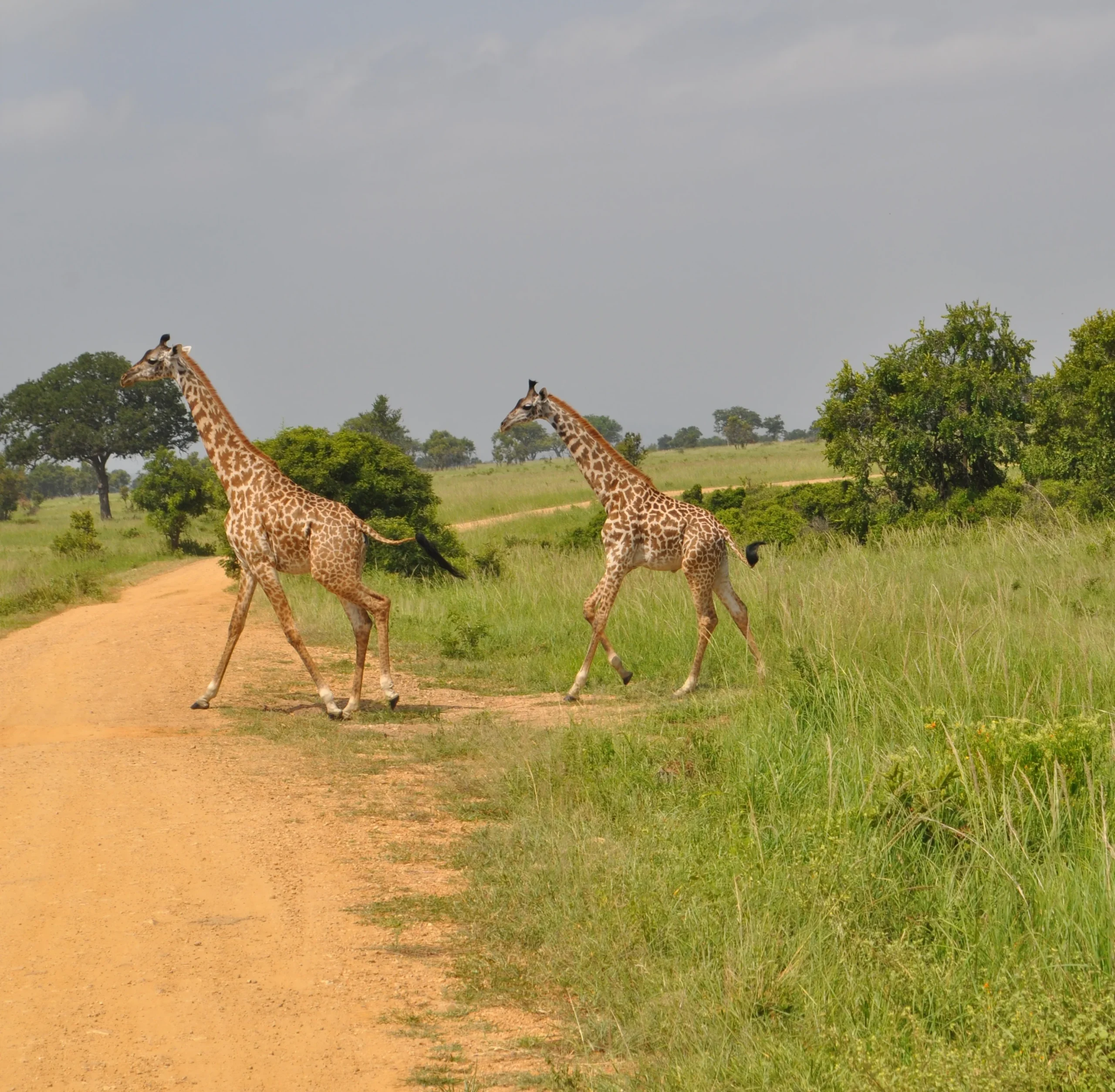
Uganda Safari Photo Tips
Uganda Safari Photo Tips
Uganda Safari Photo Tips: Capture Stunning Wildlife Moments with Turkana Wildlife Safaris Uganda
Introduction
Uganda is one of Africa’s most rewarding safari destinations for wildlife photography. From the misty mountains of Bwindi to the open savannah plains of Queen Elizabeth National Park, every corner of the country offers unforgettable photographic opportunities. Whether you are a beginner with a smartphone or a professional photographer carrying advanced camera equipment, understanding the right safari photography techniques can make a huge difference.
Traveling with Turkana Wildlife Safaris Uganda also improves your chances of getting the perfect wildlife shot. Professional guides understand animal behavior, lighting conditions, and the best safari routes for photography enthusiasts.
This guide covers the best Uganda safari photo tips, essential camera gear, ideal photography destinations, and practical techniques to help you capture breathtaking memories during your African safari adventure.
Why Uganda Is a Paradise for Safari Photography
Uganda is often referred to as the “Pearl of Africa” because of its incredible biodiversity and dramatic landscapes. The country combines savannah wildlife, mountain gorillas, tropical rainforests, volcanic lakes, and rich birdlife in one destination.
Photographers visiting Uganda can capture:
- Mountain gorillas in Bwindi Impenetrable National Park
- Tree-climbing lions in Queen Elizabeth National Park
- Elephants and buffaloes in Murchison Falls National Park
- Chimpanzees in Kibale National Park
- The Nile River and powerful waterfalls
- Rare bird species including the Shoebill Stork
- Traditional cultures and local communities
Unlike some crowded safari destinations, Uganda provides more intimate wildlife experiences, making it easier to capture unique and natural photographs.
Best Uganda Safari Photography Destinations
1. Bwindi Impenetrable National Park
Bwindi Impenetrable National Park is world-famous for mountain gorilla trekking. Photographing gorillas in their natural habitat is one of the greatest wildlife photography experiences.
Photography Tips for Bwindi
- Use a fast lens because lighting inside the forest is low
- Increase ISO settings for better exposure
- Avoid flash photography because it disturbs gorillas
- Focus on emotional expressions and family interactions
- Carry waterproof camera protection because the forest is humid
The best lenses for gorilla photography are usually between 70–200mm.
2. Queen Elizabeth National Park
Queen Elizabeth National Park is one of Uganda’s most photogenic safari destinations. The combination of wildlife, crater lakes, and open grasslands provides endless photographic possibilities.
What to Photograph
- Tree-climbing lions in Ishasha
- Elephants crossing the plains
- Hippos along the Kazinga Channel
- Beautiful African sunsets
- Birdlife near wetlands
Best Time for Photography
Early morning and evening game drives offer soft golden lighting and active wildlife.
3. Murchison Falls National Park
Murchison Falls National Park is famous for dramatic landscapes and large wildlife populations.
Photography Highlights
- The powerful Murchison Falls
- Nile crocodiles
- Giraffes and elephants
- Boat safari scenes on the Nile
- Sunrise over the savannah
Use a telephoto lens for wildlife and a wide-angle lens for landscapes.
4. Kibale National Park
Kibale National Park is the best destination in Uganda for chimpanzee photography.
Tips for Chimpanzee Photography
- Use continuous shooting mode for moving subjects
- Keep shutter speed fast because chimpanzees move quickly
- Use natural light whenever possible
- Focus on facial expressions and interactions
Essential Uganda Safari Photography Tips
1. Choose the Right Camera Equipment
The right gear improves image quality and flexibility during safari adventures.
Recommended Equipment
- DSLR or mirrorless camera
- Telephoto lens (200mm–600mm)
- Wide-angle lens for landscapes
- Extra batteries
- Large memory cards
- Lens cleaning kit
- Bean bag for vehicle stabilization
- Waterproof camera bag
Traveling with lightweight equipment is helpful because safari drives and trekking can be physically demanding.
2. Understand Lighting Conditions
Lighting is one of the most important elements in photography.
Best Lighting Times
- Early morning
- Late afternoon
- Golden hour before sunset
Avoid harsh midday sunlight because it creates strong shadows and washed-out colors.
3. Focus on Animal Behavior
Great safari photos often come from patience and observation.
Professional safari guides from Turkana Wildlife Safaris Uganda can help position vehicles strategically for better angles and wildlife encounters.
Watch for:
- Hunting behavior
- Parent and baby interactions
- Eye contact
- Movement patterns
- Group formations
Capturing emotion and storytelling makes wildlife photography more powerful.
4. Keep Your Camera Ready
Wildlife moments happen quickly.
Always:
- Keep your camera powered on
- Use fast autofocus settings
- Prepare correct exposure settings
- Store spare batteries nearby
Unexpected sightings often create the best safari photographs.
5. Use Composition Techniques
Good composition transforms ordinary photos into professional images.
Popular Composition Tips
- Rule of thirds
- Leading lines
- Framing with vegetation
- Negative space
- Low-angle photography
Avoid placing subjects directly in the center unless it improves storytelling.
6. Respect Wildlife and Nature
Responsible photography protects animals and ecosystems.
Important Safari Ethics
- Never use flash around wildlife
- Maintain safe distances
- Avoid loud noises
- Follow ranger instructions
- Do not pressure animals for photographs
Ethical photography creates authentic wildlife experiences.
Best Camera Settings for Uganda Safaris
Wildlife Photography Settings
Suggested Settings
- Shutter Speed: 1/1000 for moving animals
- Aperture: f/4 to f/6.3
- ISO: 400–3200 depending on lighting
- Autofocus Mode: Continuous AF
- Shooting Mode: Burst mode
These settings help freeze movement and improve sharpness.
Bird Photography Tips in Uganda
Uganda is home to over 1,000 bird species, making it one of Africa’s top bird photography destinations.
Best Bird Photography Locations
- Mabamba Swamp
- Queen Elizabeth National Park
- Semuliki National Park
- Kibale National Park
Bird Photography Advice
- Use long telephoto lenses
- Focus on eye sharpness
- Shoot during early morning hours
- Stay patient and silent
The Shoebill Stork is one of Uganda’s most sought-after bird photography subjects.
Gorilla Trekking Photography Rules
Gorilla trekking is heavily regulated to protect endangered mountain gorillas.
Important Rules
- No flash photography
- Maintain at least 7 meters distance
- Limit noise and movement
- Follow ranger instructions carefully
A good guide can help you position yourself for safe and memorable gorilla photographs.
Smartphone Photography on Uganda Safaris
You do not need an expensive camera to capture great safari memories.
Smartphone Photography Tips
- Clean your lens regularly
- Use portrait mode for animals
- Avoid digital zoom
- Shoot in natural light
- Stabilize your phone for sharp images
Modern smartphones can produce excellent safari photos when used correctly.
Packing Checklist for Safari Photographers
Before traveling to Uganda, ensure you pack:
- Camera body
- Telephoto lens
- Wide-angle lens
- Extra batteries
- Portable charger
- Lens cleaning cloth
- Rain protection
- Memory cards
- Power adapters
- Lightweight clothing
- Neutral-colored safari wear
Proper preparation helps avoid missing important wildlife moments.
Why Choose Turkana Wildlife Safaris Uganda for Photography Safaris
Turkana Wildlife Safaris Uganda offers customized safari experiences designed for wildlife enthusiasts and photographers.
Benefits of Photography Safaris
- Experienced local guides
- Customized game drives
- Flexible safari schedules
- Knowledge of wildlife behavior
- Access to Uganda’s top photography destinations
- Comfortable safari vehicles with excellent viewing positions
Professional safari planning improves your opportunities to capture exceptional wildlife photographs.
Best Time for Safari Photography in Uganda
Uganda can be visited year-round, but some seasons provide better photography conditions.
Dry Seasons
- June to August
- December to February
These months provide:
- Better road access
- Easier wildlife viewing
- Cleaner photography conditions
- Brighter natural lighting
Rainy seasons create lush green landscapes but may make trekking and transport more challenging.
Common Safari Photography Mistakes to Avoid
1. Carrying Too Much Equipment
Heavy gear becomes exhausting during long game drives and trekking.
2. Ignoring Backgrounds
Busy backgrounds can distract from your subject.
3. Overusing Zoom
Extreme zoom can reduce image quality.
4. Forgetting Backup Storage
Always carry extra memory cards and backups.
5. Not Practicing Before the Safari
Learn your camera settings before arriving in Uganda.
Frequently Asked Questions (FAQs)
1. What is the best camera for Uganda safari photography?
A DSLR or mirrorless camera with a telephoto lens is ideal. However, modern smartphones can also capture impressive safari images.
2. Which lens is best for wildlife photography in Uganda?
A telephoto lens between 200mm and 600mm works best for wildlife photography.
3. Can I take photos during gorilla trekking?
Yes, photography is allowed during gorilla trekking, but flash photography is prohibited.
4. What is the best time for safari photography in Uganda?
Early mornings and late afternoons provide the best lighting conditions.
5. Do I need professional photography experience?
No. Beginners can still capture excellent safari photos by following basic photography techniques.
6. Are photography safaris available in Uganda?
Yes. Turkana Wildlife Safaris Uganda offers customized photography safaris for beginners and professional photographers.
7. How do I protect my camera equipment during safari trips?
Use waterproof camera bags, lens covers, and padded carrying cases.
8. Which national park is best for wildlife photography in Uganda?
Queen Elizabeth National Park, Bwindi Impenetrable National Park, and Murchison Falls National Park are among the best photography destinations.
Conclusion
Uganda offers some of Africa’s most rewarding wildlife photography experiences. From mountain gorillas deep in the rainforest to elephants crossing golden savannah plains, every safari moment presents an opportunity to create unforgettable images.
Understanding proper photography techniques, carrying the right equipment, and traveling with knowledgeable guides can greatly improve your results. Whether you are photographing gorillas in Bwindi, birds in Mabamba, or lions in Queen Elizabeth National Park, preparation and patience are essential.
Turkana Wildlife Safaris Uganda helps travelers experience Uganda’s natural beauty while maximizing wildlife photography opportunities through expertly guided safaris and personalized travel experiences.
If you are planning your next African safari adventure, Uganda is an exceptional destination for capturing breathtaking wildlife memories that will last a lifetime.