
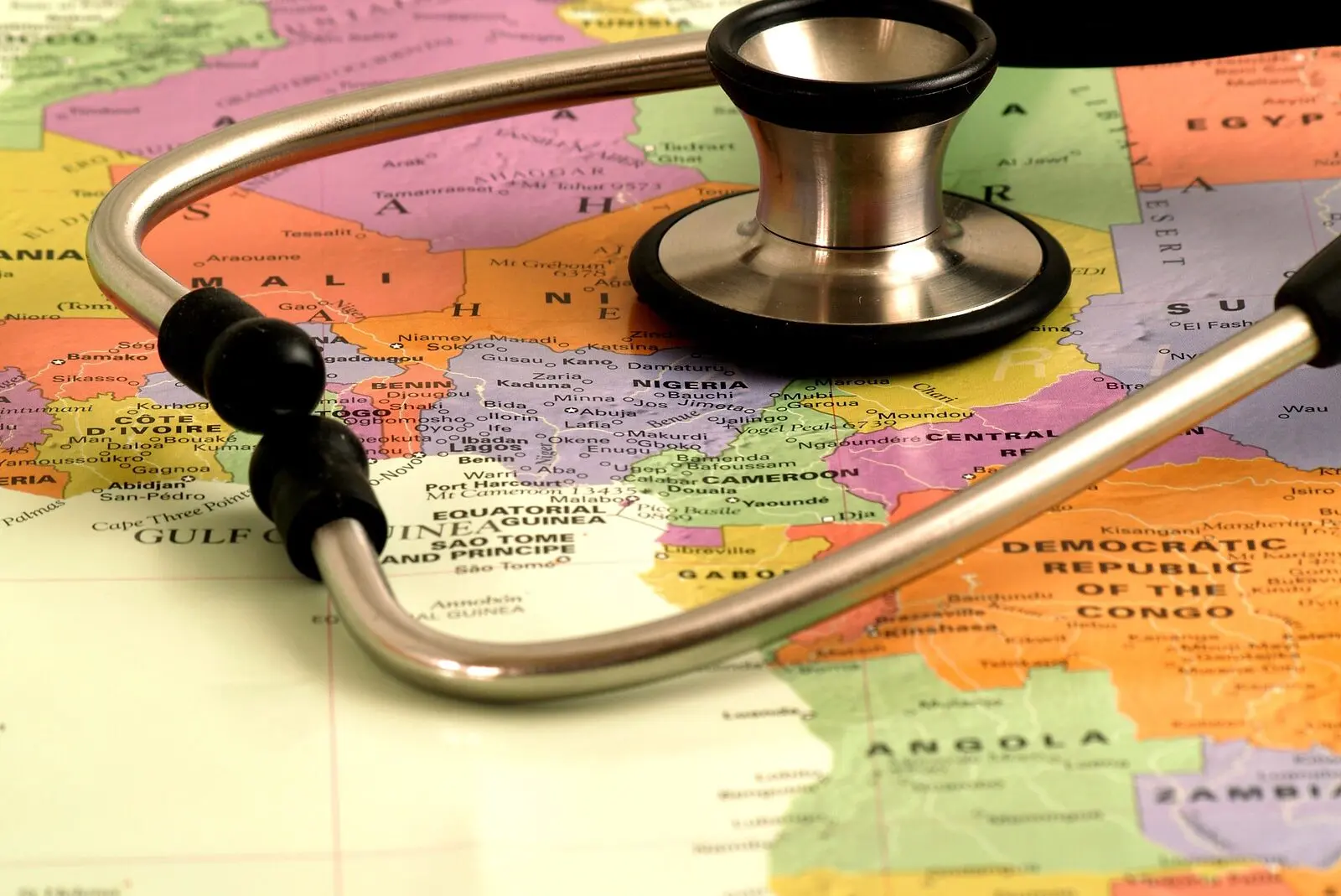
Travel Health
Travel Health
Travel Health Uganda: Essential Health Tips for a Safe and Memorable Safari Adventure
Introduction
Uganda, often referred to as the “Pearl of Africa,” is one of Africa’s most rewarding travel destinations. From gorilla trekking in Bwindi Impenetrable Forest to wildlife safaris in Queen Elizabeth National Park and cultural encounters across diverse communities, Uganda offers unforgettable experiences. However, maintaining good health during your trip is crucial for enjoying a safe and comfortable journey.
Whether you are visiting Uganda for wildlife viewing, adventure tourism, cultural tours, or business travel, understanding travel health requirements and precautions can help you avoid common health risks. Turkana Wildlife Safaris Uganda recommends that all travelers prepare adequately before their journey to ensure a smooth and enjoyable experience.
Why Travel Health Matters in Uganda
Travel health preparation helps visitors:
- Prevent infectious diseases
- Reduce the risk of travel-related illnesses
- Ensure compliance with entry requirements
- Stay comfortable during safari activities
- Access emergency medical services when needed
By taking proper precautions, travelers can focus on enjoying Uganda’s spectacular wildlife, landscapes, and cultural attractions.
Required Vaccinations for Uganda
Yellow Fever Vaccination
Uganda requires most international travelers to present a valid Yellow Fever Vaccination Certificate upon entry. This vaccination should be taken at least ten days before travel.
Recommended Vaccinations
Travel health experts commonly recommend:
- Hepatitis A
- Hepatitis B
- Typhoid
- Tetanus-Diphtheria
- Rabies (for extended rural travel)
- Measles-Mumps-Rubella (MMR)
- Polio booster if required
Consult your healthcare provider several weeks before departure to determine which vaccinations are suitable for your travel plans.
Malaria Prevention
Malaria is present in many parts of Uganda, including some safari destinations. Visitors should take preventive measures such as:
- Taking prescribed antimalarial medication
- Sleeping under treated mosquito nets
- Using insect repellents containing DEET
- Wearing long-sleeved clothing during evenings
- Staying in accommodations with mosquito protection
Most lodges recommended by Turkana Wildlife Safaris Uganda provide mosquito nets and preventive measures for guests.
Safe Drinking Water and Food Hygiene
Travelers should avoid waterborne illnesses by:
- Drinking bottled or purified water
- Avoiding untreated tap water
- Eating thoroughly cooked meals
- Washing fruits and vegetables properly
- Practicing regular hand hygiene
Most reputable safari lodges and hotels maintain high food safety standards.
Travel Health Kit Essentials
A well-prepared travel health kit should include:
- Personal prescription medications
- Antimalarial medication
- Pain relievers
- Oral rehydration salts
- Antidiarrheal medication
- Adhesive bandages
- Insect repellent
- Sunscreen
- Hand sanitizer
- First aid supplies
Having these essentials readily available can help manage minor health concerns while traveling.
Health Considerations During Gorilla Trekking
Gorilla trekking is one of Uganda’s most popular activities. Since mountain gorillas share many genetic similarities with humans, visitors must follow strict health guidelines.
These include:
- Not trekking when ill
- Maintaining a safe distance from gorillas
- Covering coughs and sneezes
- Following ranger instructions
- Practicing good hygiene
These measures help protect both visitors and endangered gorillas.
Sun Protection and Hydration
Uganda’s equatorial climate can expose travelers to intense sunlight. Visitors should:
- Drink plenty of water
- Wear sunscreen with high SPF
- Use sunglasses
- Wear wide-brimmed hats
- Take breaks during strenuous activities
Hydration is especially important during game drives, hiking, and gorilla trekking.
Travel Insurance
Comprehensive travel insurance is highly recommended and should cover:
- Medical emergencies
- Emergency evacuation
- Trip cancellations
- Lost baggage
- Adventure activities such as trekking and safaris
Travel insurance provides peace of mind throughout your Uganda adventure.
Medical Facilities in Uganda
Uganda has healthcare facilities in major cities such as Kampala, Entebbe, Mbarara, and Gulu. Private hospitals often provide higher standards of care and may accept international insurance.
For remote safari destinations, Turkana Wildlife Safaris Uganda works with reliable partners to ensure access to emergency support when necessary.
Staying Healthy During Safari Activities
While exploring Uganda’s national parks and wildlife reserves:
- Follow guide instructions
- Stay inside designated safari vehicles
- Avoid contact with wild animals
- Wear appropriate clothing
- Carry sufficient drinking water
- Inform guides of any medical conditions
These simple precautions contribute significantly to a safe safari experience.
Why Choose Turkana Wildlife Safaris Uganda
Turkana Wildlife Safaris Uganda specializes in creating safe, personalized, and memorable safari experiences across East Africa. Their professional guides prioritize traveler safety and health while offering exceptional wildlife encounters, cultural experiences, gorilla trekking adventures, and customized tour packages.
The company assists visitors with travel planning, accommodation booking, transportation arrangements, and practical travel advice to ensure a comfortable journey throughout Uganda.
Frequently Asked Questions (FAQs)
Is a Yellow Fever vaccination required for Uganda?
Yes. Most travelers entering Uganda must present a valid Yellow Fever Vaccination Certificate.
Do I need malaria medication for Uganda?
Malaria prevention is strongly recommended. Consult your healthcare provider for appropriate medication before travel.
Is tap water safe to drink in Uganda?
Travelers are advised to drink bottled, boiled, or purified water rather than untreated tap water.
What should I pack in my travel health kit?
Include prescription medications, insect repellent, sunscreen, first aid supplies, oral rehydration salts, and antimalarial medication.
Can I travel to Uganda if I have a medical condition?
Yes, but you should consult your doctor before departure and inform your tour operator of any health concerns.
Is travel insurance necessary for Uganda safaris?
Yes. Comprehensive travel insurance covering medical emergencies and evacuation is highly recommended.
Are healthcare facilities available near national parks?
Basic facilities are available in many regions, while larger hospitals are located in major towns and cities.
How can I avoid mosquito bites during my safari?
Use insect repellent, wear long sleeves, sleep under mosquito nets, and follow malaria prevention recommendations.
Conclusion
Preparing for travel health requirements is an essential part of any Uganda adventure. Proper vaccinations, malaria prevention, safe food and water practices, travel insurance, and basic health precautions can help ensure a safe and enjoyable trip. Whether you are embarking on a gorilla trekking expedition, wildlife safari, cultural tour, or nature adventure, being health conscious allows you to focus on the incredible experiences Uganda has to offer.
With expert guidance from Turkana Wildlife Safaris Uganda, travelers can confidently explore the Pearl of Africa while enjoying professional support, safe travel arrangements, and unforgettable safari experiences. By prioritizing your health and well being, you can make the most of your journey through one of Africa’s most spectacular destinations.