
Cultural Safari Kenya
Cultural Safari Kenya
Cultural Safari Kenya: Discover Kenya’s Rich Traditions, Heritage, and Authentic Local Experiences


Cultural Safari Kenya
A Cultural Safari Kenya offers travelers an unforgettable opportunity to explore the country’s diverse ethnic communities, ancient traditions, colorful ceremonies, and fascinating history. While Kenya is globally recognized for its incredible wildlife and breathtaking landscapes, its cultural heritage is equally captivating. Home to more than 40 ethnic groups, Kenya provides visitors with authentic experiences that go far beyond game drives.
From the vibrant Maasai warriors roaming the Great Rift Valley to the Swahili communities along the Indian Ocean coast, every region presents unique customs, languages, music, dances, cuisine, and storytelling traditions that have been preserved for generations.
A cultural safari allows travelers to engage with local communities respectfully while learning about their way of life, traditional livelihoods, spiritual beliefs, and artistic craftsmanship. Whether combined with a wildlife safari or experienced as a dedicated cultural journey, Kenya’s cultural experiences create lasting memories and deeper connections with its people.
Why Choose a Cultural Safari in Kenya?
Kenya’s cultural diversity makes it one of Africa’s most rewarding destinations for immersive travel. Visitors gain first-hand insight into centuries-old traditions while supporting community-based tourism projects that help preserve local heritage.
A cultural safari offers opportunities to participate in traditional dances, visit authentic villages, taste indigenous cuisine, observe skilled artisans, and hear fascinating oral histories from local elders. These meaningful interactions create a richer understanding of Kenya beyond its famous wildlife.
Top Cultural Communities to Visit
Maasai Community
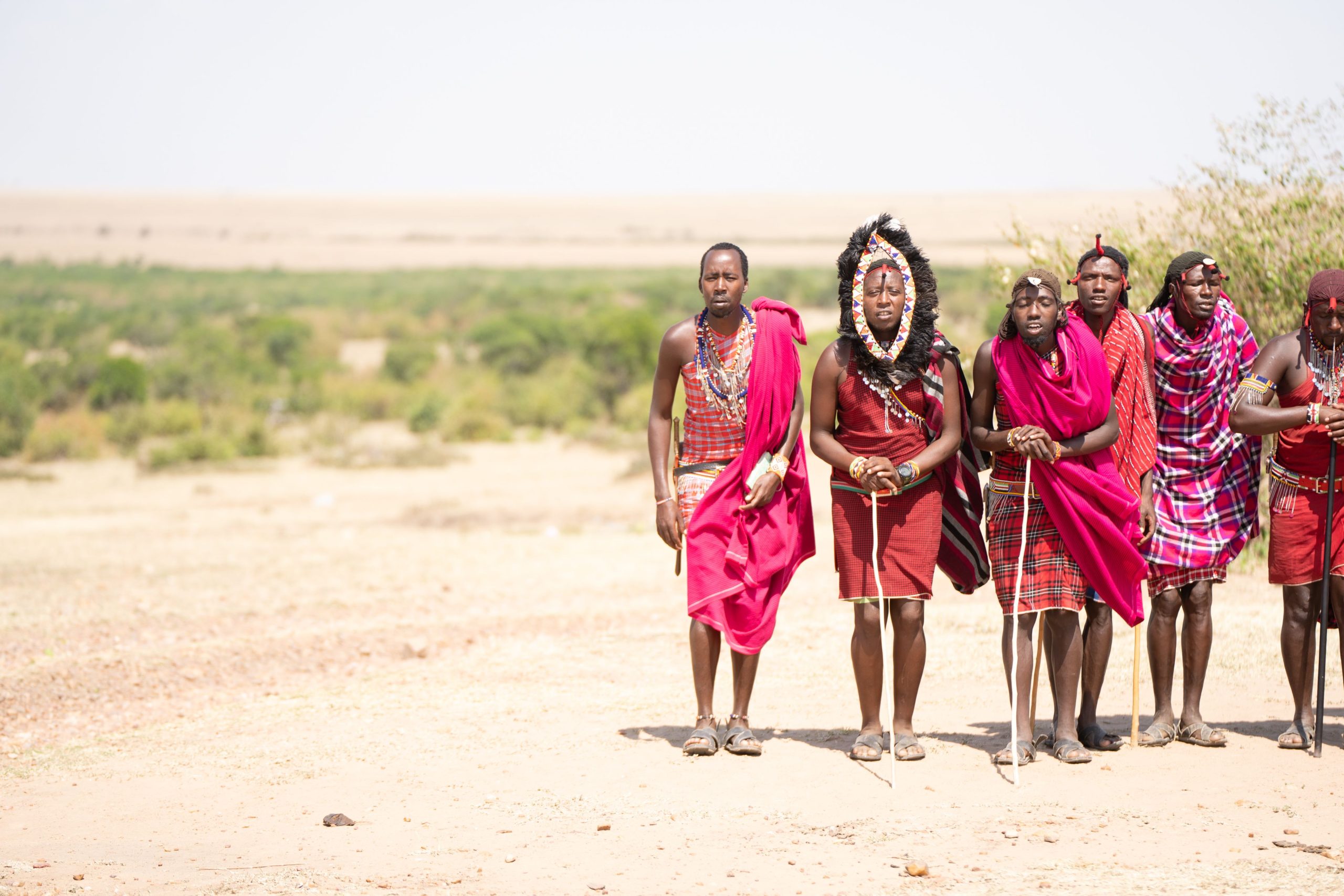
The Maasai are among Kenya’s most recognized indigenous communities. Known for their bright red shukas, intricate beadwork, and traditional warrior lifestyle, they inhabit the savannahs surrounding the Maasai Mara and Amboseli regions.
Visitors can learn about Maasai cattle culture, traditional medicine, family structures, ceremonial dances, and handcrafted jewelry while exploring authentic manyattas (traditional homesteads).
Samburu Community
Located in northern Kenya, the Samburu people share similarities with the Maasai but maintain distinct traditions and customs. Their vibrant clothing, elaborate bead ornaments, and camel-herding lifestyle make cultural visits both educational and memorable.
Travelers enjoy traditional songs, dances, storytelling sessions, and demonstrations of daily pastoral life.
Turkana Community
The Turkana people inhabit Kenya’s remote northwestern region near Lake Turkana. Despite living in one of Africa’s harshest environments, they have developed remarkable survival skills and rich cultural traditions.
Visitors can experience traditional dances, unique hairstyles, colorful beadwork, livestock practices, and fascinating stories about life in the desert landscape. Lake Turkana itself provides an extraordinary setting for cultural exploration.
Swahili Culture
Along Kenya’s Indian Ocean coastline, Swahili culture reflects centuries of interaction between African, Arab, Persian, and European civilizations.
Historic towns such as Lamu and Mombasa feature beautiful architecture, ancient mosques, narrow streets, traditional dhow sailing, and exceptional coastal cuisine rich in spices and seafood.
Kikuyu Community
The Kikuyu are Kenya’s largest ethnic group and possess a rich agricultural heritage. Visitors can learn about traditional farming techniques, folklore, family customs, and ceremonies that continue to shape Kikuyu identity today.
Popular Cultural Safari Destinations
Maasai Mara
While famous for the Great Migration, the Maasai Mara also offers authentic cultural visits to nearby Maasai villages where guests can experience traditional dances, ceremonies, and local crafts.
Samburu National Reserve
Combining wildlife viewing with Samburu cultural encounters creates one of Kenya’s most unique safari experiences.
Lake Turkana
Known as the “Jade Sea,” Lake Turkana is not only a UNESCO World Heritage Site but also home to diverse indigenous communities including the Turkana, El Molo, Rendille, and Dassanech people.
Lamu Island
Lamu preserves centuries of Swahili culture through architecture, cuisine, arts, music, and traditional sailing.
Mombasa Old Town
Visitors explore historical buildings, bustling markets, museums, and Swahili cultural heritage shaped by centuries of international trade.
Cultural Activities to Enjoy
A cultural safari includes numerous engaging experiences such as traditional dance performances, storytelling by village elders, cooking local dishes, learning indigenous crafts, visiting local markets, participating in community walks, exploring historical sites, and purchasing handmade souvenirs directly from artisans.
Guests may also witness important ceremonies depending on the timing of their visit, offering deeper insight into community life.
Traditional Kenyan Cuisine
Food is an essential part of every cultural journey. During your safari, you may enjoy dishes including:
- Ugali (maize meal staple)
- Nyama Choma (grilled meat)
- Sukuma Wiki (collard greens)
- Pilau Rice
- Chapati
- Fresh fish from Lake Turkana and coastal regions
- Coconut-based Swahili dishes
- Traditional fermented milk
- Local herbal teas
Best Time for a Cultural Safari
Kenya welcomes visitors throughout the year. The dry seasons from June to October and January to March offer pleasant weather for village visits and wildlife viewing.
Travelers interested in local festivals should plan according to regional cultural calendars for unique celebrations and ceremonies.
Responsible Cultural Tourism
Responsible travel ensures cultural tourism benefits host communities while preserving traditions for future generations.
Visitors should always seek permission before taking photographs, dress modestly when visiting villages, respect local customs, purchase authentic handmade crafts, and support community-owned tourism initiatives.
Meaningful interactions are built on respect, curiosity, and appreciation for cultural diversity.
Combine Culture with Wildlife
Many travelers combine cultural experiences with wildlife safaris to create a complete Kenyan adventure. Popular combinations include:
- Maasai Mara and Maasai Village
- Amboseli National Park and Maasai Community
- Samburu National Reserve and Samburu Cultural Experience
- Lake Turkana and Turkana Cultural Tour
- Tsavo National Parks and Taita Community Visits
- Lamu Island Cultural Tour after a safari
This combination provides both extraordinary wildlife encounters and authentic cultural immersion.
Explore East Africa with Turkana Wildlife Safaris Uganda
Beyond Kenya, Turkana Wildlife Safaris Uganda offers expertly crafted safari experiences across East Africa, combining wildlife, culture, adventure, and conservation. Travelers can seamlessly extend their journey into Uganda, Rwanda, or Kenya with customized itineraries designed to showcase the region’s incredible diversity.
From gorilla trekking in Uganda’s misty forests to cultural encounters with local communities and unforgettable game drives across East Africa’s premier national parks, Turkana Wildlife Safaris Uganda delivers personalized experiences led by knowledgeable local guides. Whether you’re interested in wildlife photography, birdwatching, family holidays, luxury safaris, or immersive cultural tours, every itinerary is tailored to create meaningful and memorable adventures.
Frequently Asked Questions
What is a Cultural Safari in Kenya?
A Cultural Safari Kenya is a travel experience focused on exploring Kenya’s ethnic communities, traditions, history, arts, music, cuisine, and daily lifestyles while interacting respectfully with local people.
Which communities can I visit?
Popular communities include the Maasai, Samburu, Turkana, Kikuyu, Swahili, Rendille, El Molo, and several others across Kenya.
Can I combine cultural experiences with wildlife safaris?
Yes. Many itineraries combine game drives in national parks with village visits and cultural experiences, providing a balanced safari adventure.
Is cultural tourism beneficial to local communities?
When managed responsibly, cultural tourism generates income, supports education, preserves traditional practices, and promotes sustainable community development.
What should I wear during village visits?
Comfortable, modest clothing is recommended. Lightweight attire, walking shoes, a hat, sunscreen, and respectful dress are ideal.
Is photography allowed?
Photography is generally permitted after obtaining permission from community members. Always ask before taking close-up portraits.
How long should a cultural safari last?
Cultural experiences can range from half-day village visits to multi-day cultural expeditions depending on your interests.
Is a cultural safari suitable for families?
Absolutely. Families, children, students, photographers, and cultural enthusiasts all benefit from interactive learning experiences during community visits.
Conclusion
A Cultural Safari Kenya offers far more than sightseeing, it provides an opportunity to connect with the people, traditions, and history that make Kenya one of Africa’s most culturally diverse destinations. From the vibrant dances of the Maasai and Samburu to the ancient Swahili heritage of the coast and the resilient traditions of the Turkana people, every encounter enriches your understanding of the country’s remarkable identity.
For travelers seeking an even broader East African adventure, Turkana Wildlife Safaris Uganda can seamlessly combine Kenya’s cultural treasures with Uganda’s world famous gorilla trekking, exceptional wildlife safaris, birdwatching, and community experiences. Whether you dream of exploring ancient traditions, witnessing spectacular wildlife, or discovering the heart of East Africa through its people, a customized journey with Turkana Wildlife Safaris Uganda promises an authentic, enriching, and unforgettable safari experience.