
Kenya Safari Health Safety
Kenya Safari Health Safety
Kenya Safari Health & Safety Guide
Everything You Need to Know Before Visiting Kenya with Turkana Wildlife Safaris Uganda
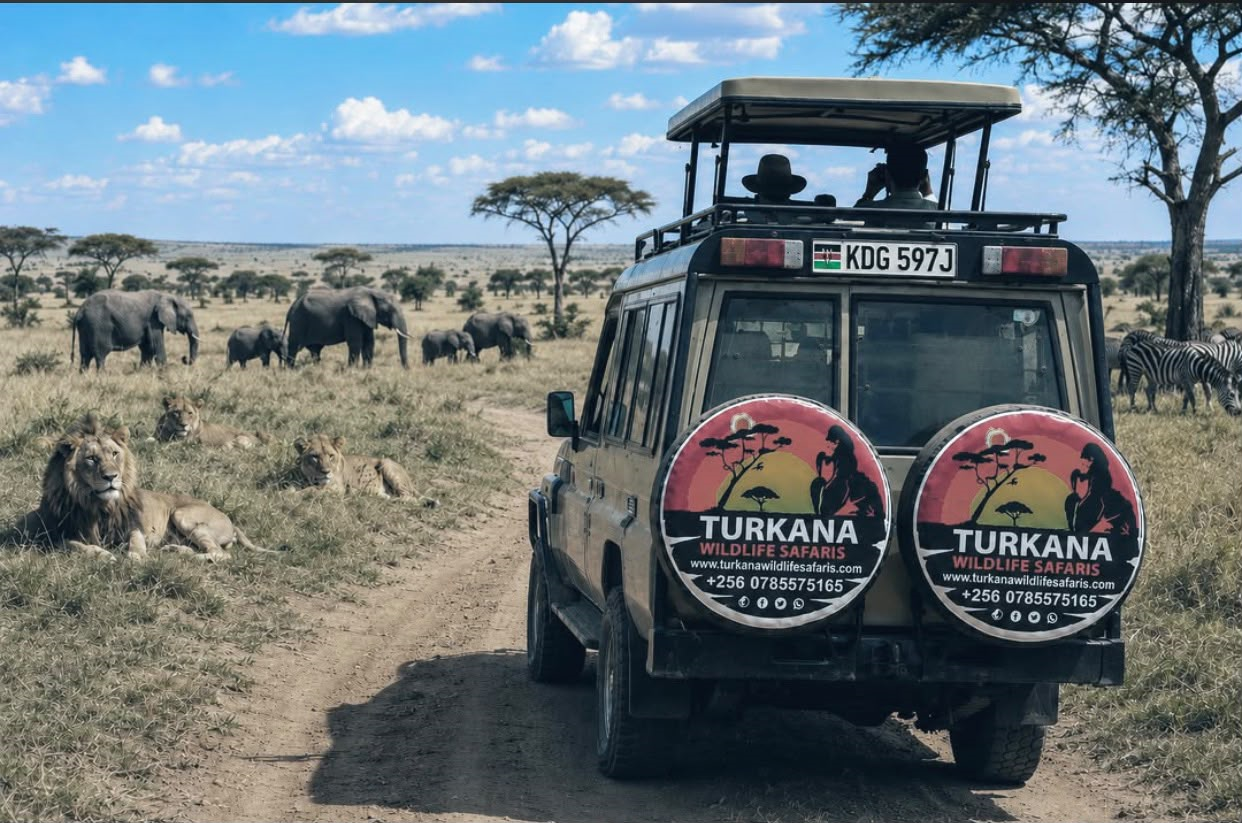
A Kenya safari is one of the most rewarding travel experiences in Africa. From the spectacular wildlife of the Maasai Mara National Reserve to Amboseli National Park’s elephant herds and Samburu’s unique wildlife, Kenya offers unforgettable adventures. However, proper preparation is essential to ensure a safe, healthy, and enjoyable safari.
At Turkana Wildlife Safaris Uganda, we prioritize your safety and comfort throughout your East African journey. This comprehensive guide explains everything you need to know about health precautions, vaccinations, food safety, wildlife safety, and emergency preparedness before traveling to Kenya.
Why Health and Safety Matter on a Kenya Safari
Kenya is a well-established safari destination with professional tour operators, modern lodges, and experienced guides. Most safaris are extremely safe when travelers follow professional advice and take basic health precautions.
Preparing before departure reduces health risks and allows you to focus on enjoying Kenya’s spectacular landscapes and wildlife.
Recommended Vaccinations
Before traveling, consult your doctor or a travel clinic 4–8 weeks before departure to discuss your itinerary and any recommended vaccinations.
Commonly recommended vaccines include:
- Hepatitis A
- Hepatitis B
- Typhoid
- Tetanus
- Diphtheria
- Polio booster
- Rabies (for extended stays or high-risk activities)
- Meningitis (for certain travelers)
Yellow Fever
A Yellow Fever vaccination certificate may be required if you are arriving from, or have recently traveled through, a country where Yellow Fever is endemic. Travelers should confirm the latest entry requirements before departure.
Malaria Prevention
Several safari regions in Kenya have malaria risk.
Doctors may recommend preventive antimalarial medication depending on your itinerary.
To reduce mosquito bites:
- Wear long sleeves after sunset
- Use insect repellent containing DEET or picaridin
- Sleep under mosquito nets where provided
- Wear light-colored clothing
- Keep doors and windows closed at night
Food and Water Safety
Most safari lodges and luxury camps maintain excellent hygiene standards.
To avoid stomach illness:
- Drink bottled or purified water
- Avoid untreated tap water
- Eat freshly cooked meals
- Wash fruits before eating
- Practice regular hand hygiene
- Carry hand sanitizer
Many travelers experience no food-related issues when staying at reputable safari accommodations.
Personal Medical Kit
Pack a small medical kit containing:
- Prescription medications
- Pain relievers
- Antihistamines
- Anti-diarrheal medicine
- Oral rehydration salts
- Motion sickness tablets
- Bandages
- Antiseptic cream
- Sunscreen (SPF 50+)
- Lip balm
- Insect repellent
Travel Insurance
Travel insurance is strongly recommended for every safari.
Choose a policy that includes:
- Medical treatment
- Emergency evacuation
- Trip cancellation
- Lost baggage
- Flight delays
- Adventure activities (if applicable)
Remote safari areas may require medical evacuation by air in rare emergencies.
Staying Safe Around Wildlife
Wild animals are unpredictable—even in protected parks.
Always follow your guide’s instructions.
Important rules include:
- Never leave the safari vehicle unless instructed.
- Keep a safe distance from animals.
- Avoid loud noises.
- Never feed wildlife.
- Keep hands inside the vehicle.
- Do not attempt close-up selfies with animals.
- Respect park regulations.
Professional safari guides are trained to ensure safe wildlife encounters.
Sun Protection
Kenya’s equatorial sun can be intense.
Protect yourself by:
- Wearing a wide-brimmed hat
- Using UV-protection sunglasses
- Applying sunscreen regularly
- Drinking plenty of water
- Wearing lightweight long-sleeved clothing
Staying Hydrated
Game drives often last several hours.
Carry reusable water bottles and drink water frequently to avoid dehydration.
Road Safety
Safari roads can be rough, especially during the rainy season.
To stay comfortable:
- Wear seat belts where available
- Inform your guide if you experience motion sickness
- Keep cameras securely stored
- Avoid standing in moving safari vehicles
Safety in Safari Lodges
Most lodges have excellent security.
Guests should:
- Lock room doors
- Store valuables safely
- Use provided safes
- Follow lodge staff instructions
- Avoid walking alone after dark without an escort
Many safari camps are unfenced, allowing wildlife to roam nearby.
Emergency Medical Services
Major cities such as Nairobi and Mombasa have quality private hospitals, while safari destinations generally have clinics and established emergency evacuation procedures. Keep emergency contacts and insurance details readily available.
Packing for a Healthy Safari
Essential items include:
- Passport
- Travel insurance documents
- Vaccination certificates (if required)
- Prescription medicines
- Comfortable walking shoes
- Neutral-colored safari clothing
- Hat
- Sunglasses
- Binoculars
- Camera
- Power bank
- Flashlight
- Insect repellent
- Reusable water bottle
Why Book with Turkana Wildlife Safaris Uganda?
At Turkana Wildlife Safaris Uganda, we believe every safari should be exciting, safe, and stress-free.
Our experienced guides provide:
- Professional safari planning
- Safe transportation
- Comfortable accommodations
- Wildlife expertise
- Emergency support throughout your journey
- Personalized Kenya and Uganda safari itineraries
Whether you’re visiting the Maasai Mara, Amboseli, Lake Nakuru, Samburu, or combining Kenya with Uganda or Rwanda, our team ensures every detail is carefully managed for your peace of mind.
Frequently Asked Questions (FAQs)
1. Is Kenya safe for safari tourists?
Yes. Kenya is one of Africa’s leading safari destinations. Most visitors enjoy safe and memorable trips by traveling with reputable tour operators, following local guidance, and observing standard safety precautions.
2. Do I need malaria tablets?
It depends on your itinerary and medical history. Consult a travel health professional before departure for personalized advice.
3. Is Yellow Fever vaccination mandatory?
A Yellow Fever certificate may be required if you are arriving from or transiting through a country with Yellow Fever risk. Check the latest official requirements before traveling.
4. Can I drink tap water in Kenya?
It is generally safer to drink bottled or purified water during your safari.
5. Are safari vehicles safe?
Yes. Licensed safari operators use specially designed vehicles driven by experienced guides who prioritize guest safety.
6. What should I do if I feel sick during the safari?
Inform your guide immediately. They can help arrange medical assistance, transport to a clinic, or emergency evacuation if needed.
7. Is travel insurance necessary?
Yes. Comprehensive travel insurance covering medical care and emergency evacuation is highly recommended for all safari travelers.
8. Can children join Kenya safaris?
Yes. Many lodges and safari camps welcome families and offer child-friendly safari activities.
9. What should I wear on safari?
Wear comfortable, breathable clothing in neutral colors such as khaki, olive, beige, or brown. Avoid bright colors and camouflage.
10. Why choose Turkana Wildlife Safaris Uganda?
Turkana Wildlife Safaris Uganda offers expertly guided Kenya and East Africa safaris, personalized itineraries, reliable transport, quality accommodations, and a strong commitment to guest safety and exceptional service.
Conclusion
A Kenya safari is an unforgettable adventure, and with the right preparation, it can also be a safe and worry-free experience. By staying informed about vaccinations, malaria prevention, food and water safety, wildlife guidelines, and travel insurance, you’ll be well prepared to explore Kenya’s incredible national parks with confidence.
Turkana Wildlife Safaris Uganda is committed to delivering safe, authentic, and memorable safari experiences across Kenya, Uganda, Rwanda, and Tanzania. Let our experienced team handle every detail while you enjoy breathtaking wildlife, spectacular landscapes, and the warm hospitality of East Africa. Whether it’s your first safari or your tenth, we’re here to make your journey exceptional.