
Uganda Big Five Safari and Birding
Uganda Big Five Safari and Birding
Uganda Big Five Safari and Birding: A Complete Wildlife Adventure with Turkana Wildlife Safaris Uganda
Introduction
A Uganda Big Five Safari and Birding Tour offers the perfect combination of thrilling wildlife encounters and exceptional birdwatching. Uganda is one of East Africa’s most diverse safari destinations, bringing together vast savannahs, tropical forests, wetlands, rivers, lakes, and mountains within a relatively compact country.
For travelers who want more than the traditional game drive, combining Big Five wildlife viewing with birding creates a richer experience. You can search for lions, leopards, elephants, buffaloes, and rhinos while also watching Uganda’s remarkable variety of birds, including the iconic shoebill.
Turkana Wildlife Safaris Uganda can help travelers experience this combination through carefully planned safari programs designed around wildlife viewing, birding, landscapes, culture, and conservation.
Uganda Wildlife Authority highlights Murchison Falls as an excellent birding destination, particularly for the sought-after shoebill, while Bwindi and Mgahinga are important destinations for Albertine Rift endemic birds.
Why Choose a Uganda Big Five and Birding Safari?
Uganda provides an unusual opportunity to combine classic African wildlife with some of the continent’s most rewarding birding habitats.
The Big Five traditionally refers to:
- African lion
- African leopard
- African elephant
- African buffalo
- Rhinoceros
A safari focused on these animals can be combined with birding in savannahs, forests, wetlands, rivers, and lakes.
This means that a single journey can include spectacular mammals, colorful birds, dramatic scenery, primates, and cultural experiences.
With Turkana Wildlife Safaris Uganda, travelers can build a safari according to their interests, whether the priority is wildlife photography, serious birding, family travel, honeymoon experiences, or a general African adventure.
Big Five Wildlife Experiences in Uganda
1. Lions
Lions are among Uganda’s most sought-after safari animals. They can be encountered in several wildlife areas, with Queen Elizabeth National Park and Murchison Falls National Park being important destinations for traditional game viewing.
Queen Elizabeth is also known for its famous tree-climbing lions in the Ishasha sector.
Early morning game drives provide some of the best opportunities to observe lions when temperatures are cooler and wildlife is often more active.
2. Leopards
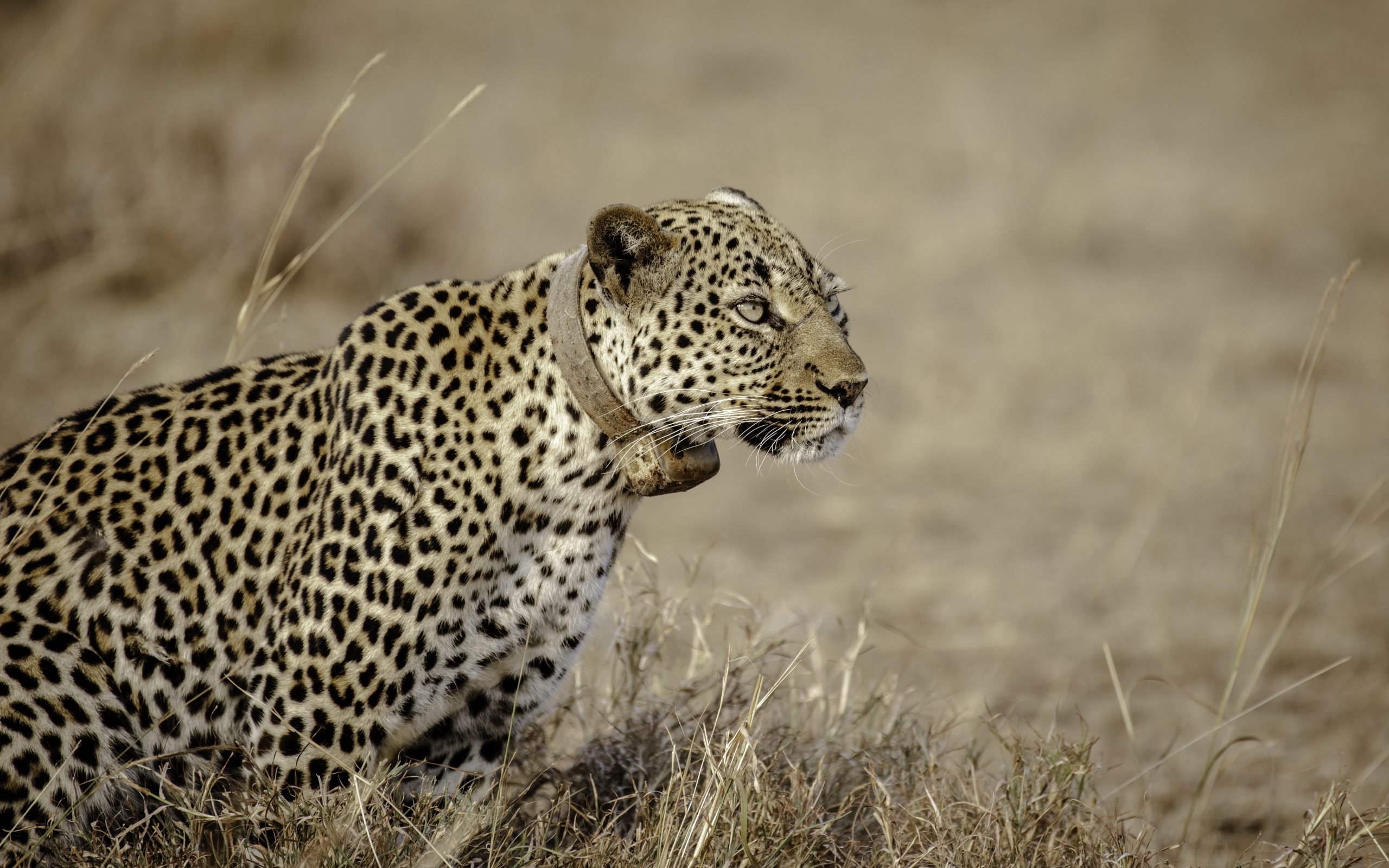
The leopard is one of Africa’s most elusive predators. Seeing one requires patience, a good guide, and a little luck.
Leopards may be encountered during game drives in Uganda’s savannah parks. Their ability to blend into vegetation and become active around dawn, dusk, or at night makes every sighting particularly exciting.
A safari with an experienced guide from Turkana Wildlife Safaris Uganda can improve the chances of finding wildlife by understanding tracks, habitats, animal behavior, and recent sightings.
3. Elephants
African elephants are among the most impressive animals to encounter on safari.
In Uganda, elephants can be seen in destinations such as Murchison Falls and Queen Elizabeth National Parks. Watching a herd feeding, crossing a road, or gathering near water can be one of the highlights of a safari.
Elephants also play an important ecological role by influencing vegetation and helping shape their habitats.
4. Buffaloes
African buffaloes are commonly encountered in Uganda’s savannah ecosystems. Large herds can create spectacular safari scenes, particularly when they gather around water or move across open grasslands.
Buffaloes are often seen together with other species, making them excellent subjects for wildlife photographers.
5. Rhinos
Rhino experiences add an important conservation dimension to a Uganda Big Five safari.
Uganda has invested in rhino conservation and reintroduction efforts. Recent conservation developments have included the movement of southern white rhinos into Kidepo Valley National Park, where the species had been absent for decades.
A safari that includes rhino tracking provides visitors with the opportunity to learn about wildlife protection while observing these magnificent animals.
Best Destinations for a Uganda Big Five and Birding Safari
Murchison Falls National Park
Murchison Falls National Park is one of the most important destinations for combining wildlife and birding.
The park offers savannah game drives, Nile River experiences, and opportunities to observe elephants, buffaloes, lions, giraffes, antelopes, hippos, crocodiles, and many bird species.
The Nile provides an especially productive environment for birdwatching. Uganda Wildlife Authority specifically identifies Murchison Falls as an excellent birding destination and notes the possibility of seeing the sought-after shoebill.
A boat trip on the Nile can therefore complement a game drive, providing a different perspective on the park’s wildlife.
Queen Elizabeth National Park
Queen Elizabeth National Park is another excellent choice for a combined wildlife and birding safari.
Its diverse ecosystems include savannah, wetlands, forests, lakes, and the famous Kazinga Channel.
The park is particularly attractive because travelers can combine:
- Game drives
- Boat cruises
- Birdwatching
- Primate experiences
- Landscape photography
- Cultural encounters
The Ishasha sector is also famous for its tree-climbing lions.
Ziwa Rhino Sanctuary
A visit to Ziwa Rhino Sanctuary can be incorporated into a Big Five-focused Uganda itinerary to provide a dedicated rhino experience.
Rhino tracking offers something different from a conventional vehicle-based game drive because visitors can learn about rhino behavior, conservation, and habitat protection.
Kidepo Valley National Park
For travelers looking for a more remote safari experience, Kidepo Valley National Park is an exciting option.
Its remote landscapes, rugged mountains, broad valleys, and distinctive wildlife make it one of Uganda’s most memorable wilderness destinations.
Kidepo can be especially attractive to experienced safari travelers who want to explore beyond Uganda’s more established tourism routes.
Bwindi Impenetrable National Park
Bwindi is primarily famous for mountain gorillas, but it is also highly significant for birding.
The forest contains important Albertine Rift endemic species, making it an excellent destination for travelers who want to combine primate experiences with specialized birdwatching.
Uganda Wildlife Authority identifies Bwindi and Mgahinga as particularly accessible sites for Albertine Rift endemics.
Kibale National Park
Kibale is internationally recognized for chimpanzee tracking and its remarkable primate diversity.
It can also form part of a birding itinerary, especially when combined with nearby wetlands such as Bigodi Wetland Sanctuary.
A traveler interested in mammals and birds can therefore add a forest component to a traditional Big Five safari.
Birding Highlights on a Uganda Safari
Uganda is a superb destination for bird enthusiasts because different habitats support different bird communities.
Depending on the route and season, a birding safari may provide opportunities to search for:
- Shoebill
- African fish eagle
- Great blue turaco
- Grey crowned crane
- African jacana
- Kingfishers
- Bee-eaters
- Hornbills
- Sunbirds
- Weavers
- Herons
- Egrets
- Storks
- Raptors
- Forest species
- Albertine Rift endemics
The shoebill is one of the most sought-after birds for visitors to Uganda. Murchison Falls and wetland areas elsewhere in the country can be incorporated into a birding itinerary depending on the traveler’s objectives.
For dedicated birders, Uganda Wildlife Authority notes that birding is possible throughout the year, with late May through September generally offering favorable conditions because of lower rainfall and abundant food.
Combining Game Drives and Birding
One of the advantages of combining Big Five viewing with birding is that the two activities naturally complement each other.
During a morning game drive, you might begin by searching for lions or leopards. While driving between wildlife sightings, your guide can identify raptors, rollers, bee-eaters, hornbills, and other birds.
A boat cruise can then provide opportunities to see hippos, crocodiles, elephants, waterbirds, and birds of prey.
Forest walks offer another completely different birding environment.
This variety makes the safari more interesting because there is always something to look for.
A Sample Uganda Big Five and Birding Safari Experience
A longer itinerary can be designed around several major destinations.
Day 1: Arrival in Uganda
Arrive in Uganda and transfer to your accommodation. Depending on your arrival time, you may have an opportunity to relax or explore the surrounding area.
Day 2: Travel Toward Murchison Falls
Begin the journey toward Murchison Falls National Park.
Depending on the route, you may make a stop for a wildlife or conservation experience before continuing to your lodge.
Day 3: Morning Game Drive and Birding
Enjoy an early morning game drive when wildlife activity is high.
Search for lions, elephants, buffaloes, giraffes, antelopes, and other savannah species while your guide also identifies birds.
Day 4: Nile Boat Cruise and Birding
Take a boat cruise along the Nile toward the falls.
Watch for hippos and crocodiles along the riverbanks while scanning the shoreline for waterbirds and raptors.
Day 5: Transfer Toward Queen Elizabeth National Park
Travel toward Queen Elizabeth National Park while enjoying Uganda’s changing landscapes.
Day 6: Game Drive in Queen Elizabeth
Explore the park’s savannah plains in search of elephants, buffaloes, lions, leopards, Uganda kobs, warthogs, and other wildlife.
Birders can simultaneously search for grassland and woodland species.
Day 7: Kazinga Channel Boat Cruise
Enjoy a boat cruise along the Kazinga Channel.
This is an excellent opportunity to observe hippos, crocodiles, elephants, buffaloes, and large numbers of water-associated birds.
Day 8: Ishasha Wildlife Experience
Explore the Ishasha sector and look for its famous tree-climbing lions.
The area also provides opportunities to observe elephants, buffaloes, antelopes, and numerous bird species.
Day 9: Forest and Birding Experience
Depending on the itinerary, continue toward a forest destination such as Bwindi or Kibale for a different ecosystem and birding experience.
Day 10: Return to Kampala or Entebbe
Complete the safari by returning toward Kampala or Entebbe for departure.
The itinerary can be shortened, extended, or customized according to the traveler’s priorities.
Why Travel With Turkana Wildlife Safaris Uganda?
Choosing the right safari operator can make a major difference to the overall experience.
Turkana Wildlife Safaris Uganda can tailor safari experiences around the interests of individual travelers and groups.
A well-planned safari can take into account:
- Preferred wildlife species
- Birding interests
- Safari duration
- Accommodation level
- Budget
- Photography requirements
- Family travel
- Private or shared safari preferences
- Cultural experiences
- Conservation interests
For serious birders, the itinerary can place greater emphasis on wetlands, forests, and specialist birding locations. For wildlife enthusiasts, more time can be allocated to game drives and major wildlife parks.
Wildlife Photography Opportunities
A Uganda Big Five and Birding Safari is also excellent for photography.
Photographers can capture:
- Lions in golden morning light
- Elephants against savannah landscapes
- Buffalo herds
- Leopards resting in vegetation
- Rhinos during tracking
- Colorful kingfishers
- Shoebills
- Turacos
- Birds of prey
- Hippos and crocodiles
- Dramatic landscapes
- Local communities and cultural scenes
A private safari vehicle is particularly useful for photographers because it provides greater flexibility over positioning, time, and stops.
Best Time for a Big Five and Birding Safari
Uganda can be visited throughout the year.
For general wildlife viewing and birding, the drier months can be particularly attractive because roads and trails are generally easier to navigate.
Uganda Wildlife Authority identifies June through August and December through February as favorable dry-season periods for wildlife viewing, while late May through September is generally favorable for birdwatching.
However, the best month ultimately depends on what you want to see.
Birders interested in particular species may prefer different periods from travelers primarily interested in wildlife photography.
What to Pack for a Uganda Big Five and Birding Safari
A useful safari packing list includes:
- Lightweight neutral-colored clothing
- Comfortable walking shoes
- Wide-brimmed hat
- Sunglasses
- Sunscreen
- Insect repellent
- Light rain jacket
- Binoculars
- Camera and spare batteries
- Extra memory cards
- Field guide
- Reusable water bottle
- Small backpack
- Personal toiletries
- Lightweight evening clothing
Birders should prioritize good binoculars and, if possible, a camera with a suitable telephoto lens.
Responsible Tourism and Conservation
A responsible safari should contribute positively to wildlife conservation and local communities.
Visitors can support conservation by following park regulations, maintaining a respectful distance from wildlife, avoiding litter, listening to guides and rangers, and supporting locally owned businesses and community initiatives.
The success of Uganda’s wildlife tourism depends on protecting habitats and ensuring that local communities can benefit from conservation.
For this reason, a safari with Turkana Wildlife Safaris Uganda can be more than a holiday, it can be an opportunity to experience Uganda while supporting the broader conservation tourism economy.
Frequently Asked Questions
1. What is a Uganda Big Five Safari?
A Uganda Big Five Safari is a wildlife journey designed around opportunities to see lions, leopards, elephants, buffaloes, and rhinos, often combined with other wildlife and cultural experiences.
2. Can I combine Big Five wildlife viewing with birding?
Yes. Uganda is particularly suitable for combining game drives with birdwatching because many wildlife parks contain savannahs, wetlands, forests, rivers, and lakes.
3. Where can I see the Big Five in Uganda?
Big Five experiences can involve several destinations. Different species have different habitats and sighting probabilities, so an itinerary should be designed around the parks and conservation areas most suitable for the animals you hope to see.
4. Where is the best place to see birds in Uganda?
Murchison Falls, Bwindi, Mgahinga, Kibale, Queen Elizabeth, and Semuliki are among the important birding destinations. Uganda Wildlife Authority specifically highlights Murchison Falls for bird diversity and shoebill opportunities and Bwindi and Mgahinga for Albertine Rift endemics.
5. Can I see the shoebill on a Uganda safari?
Yes, the shoebill can be included as a target species, particularly when the itinerary incorporates suitable wetland habitats. However, wildlife sightings are never guaranteed.
6. Is Uganda good for first-time safari travelers?
Yes. Uganda offers a broad range of safari experiences, from classic game drives and boat cruises to forest walks, primate tracking, birding, and cultural tourism.
7. How long should a Big Five and Birding Safari take?
A 7- to 14-day itinerary can provide a good balance between wildlife viewing and birding. Longer journeys allow travelers to explore more habitats and destinations without rushing.
8. Can Turkana Wildlife Safaris Uganda customize the safari?
Yes. A safari can be planned around your preferred duration, destinations, accommodation style, wildlife interests, birding objectives, and budget.
9. What should birders bring?
Binoculars, a bird field guide, camera equipment, spare batteries, memory cards, comfortable clothing, and suitable footwear are recommended.
10. What is the best time to visit Uganda for birding?
Birding is possible year-round. Uganda Wildlife Authority generally identifies late May through September as a favorable period, although the ideal timing depends on the species and regions you want to explore.
Conclusion
A Uganda Big Five Safari and Birding Tour is an outstanding way to experience the country’s extraordinary natural diversity.
Instead of focusing only on large mammals, travelers can combine classic African safari experiences with the excitement of birdwatching. From lions and elephants on the savannah to shoebills along wetlands and colorful forest birds in the Albertine Rift, Uganda offers an impressive variety of wildlife experiences.
Murchison Falls, Queen Elizabeth, Kidepo Valley, Bwindi, Kibale, and other destinations can be combined to create an itinerary suited to different interests and travel styles.
With Turkana Wildlife Safaris Uganda, travelers can plan a personalized safari that combines wildlife, birding, landscapes, photography, culture, and conservation.
Whether you are an experienced birder, a first-time safari traveler, a wildlife photographer, or simply looking for an unforgettable African adventure, a Uganda Big Five and Birding Safari offers the chance to discover Uganda’s wild side in a truly diverse and memorable way.