
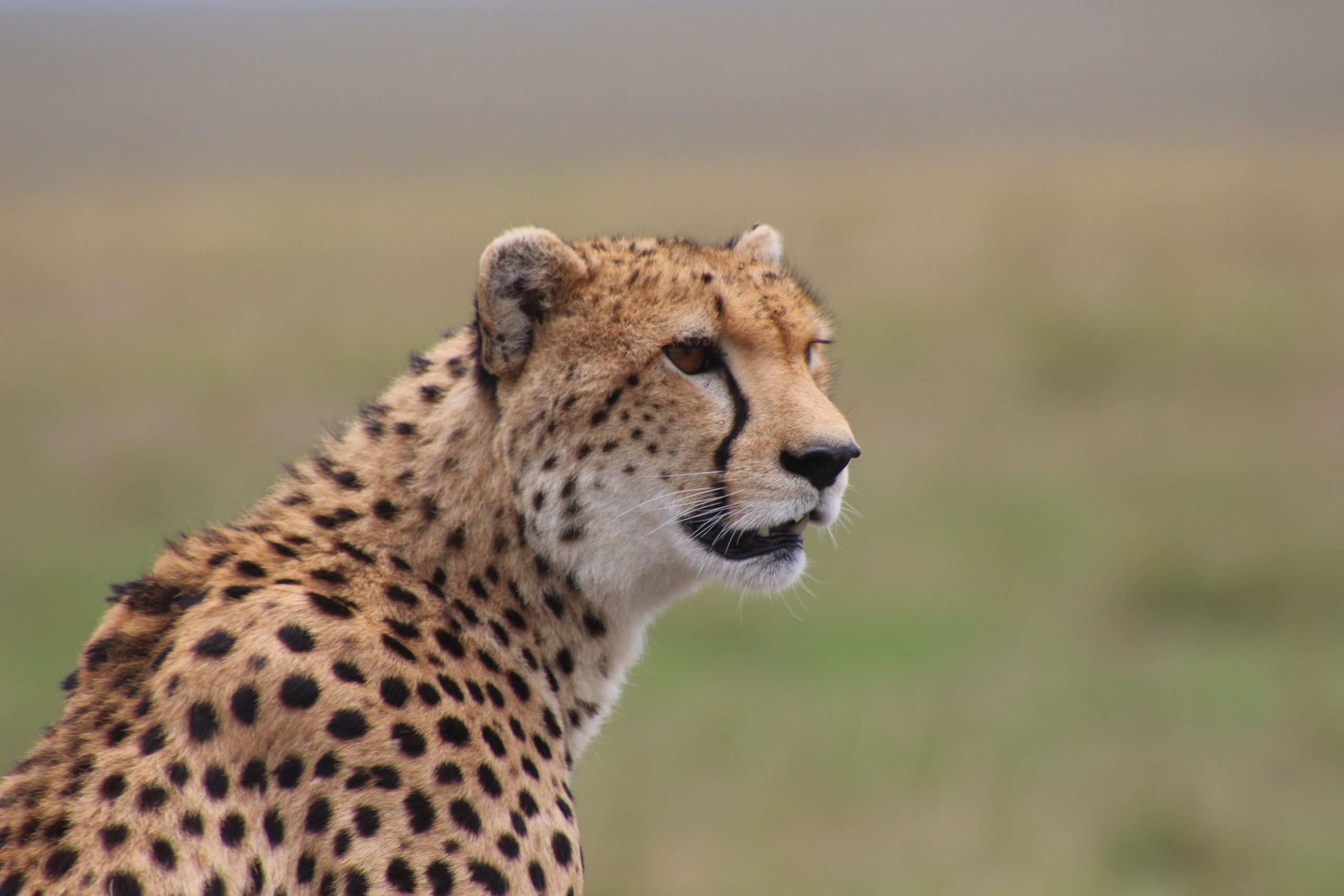
Cheetah Hunting Masai Mara
Cheetah Hunting Masai Mara
Cheetah Hunting in the Maasai Mara: Witnessing One of Africa’s Fastest Predators
The Maasai Mara National Reserve is one of Africa’s most spectacular destinations for observing wild cheetahs. Known for its open grasslands, abundant prey, and extraordinary wildlife encounters, the Mara offers visitors a remarkable opportunity to watch these elegant predators hunt, chase prey, and survive in one of Kenya’s most famous ecosystems.
For travelers interested in wildlife photography, predator behavior, and authentic African safari experiences, cheetah hunting in the Maasai Mara can be one of the most memorable moments of a Kenya safari. With responsible safari planning and experienced guides, visitors can observe these incredible animals without interfering with their natural behavior.
Understanding Cheetahs in the Maasai Mara
Cheetahs are the fastest land animals on Earth, capable of reaching remarkable speeds over short distances. Unlike lions, which often rely on strength and coordinated group hunting, cheetahs depend on speed, acceleration, camouflage, and precise timing.
The open plains of the Maasai Mara provide an ideal hunting environment. The landscape allows cheetahs to spot potential prey from a distance while providing enough vegetation and terrain features to approach without being immediately detected.
Common prey includes:
- Thomson’s gazelles
- Grant’s gazelles
- Young wildebeest
- Impalas
- Other small and medium-sized antelopes
A successful hunt is never guaranteed. Cheetahs may spend considerable time observing prey before making a decision, and many chases end unsuccessfully.
How Cheetahs Hunt
Watching a cheetah hunt is a fascinating lesson in patience and strategy.
1. Searching for Prey
A cheetah may climb a small rise, stand in the grass, or move slowly across the plains while scanning its surroundings. Good visibility is essential because cheetahs need to identify vulnerable prey before beginning a chase.
2. Stalking
Once a target is identified, the cheetah generally attempts to reduce the distance between itself and the prey.
It may use grass, small bushes, changes in terrain, or simply move slowly enough to avoid attracting attention.
3. The Chase
When the cheetah believes the distance is right, it suddenly accelerates.
This is the dramatic part of the hunt. The cheetah uses its flexible spine, long legs, large nasal passages, and powerful muscles to accelerate rapidly.
However, the sprint cannot last long. High-speed pursuit requires enormous energy, so the cheetah must make the most of the opportunity.
4. Bringing Down the Prey
If the chase succeeds, the cheetah uses its body weight and forelimbs to bring the prey down before delivering a suffocating bite.
Unlike lions and some other large predators, cheetahs are not built for prolonged fights. They therefore need to eat quickly, particularly because lions, hyenas, and other predators may attempt to steal their kill.
Why the Maasai Mara Is Excellent for Cheetah Sightings
The Maasai Mara’s combination of open plains, prey populations, and diverse habitats makes it an exceptional location for observing cheetahs.
The broader Mara ecosystem also forms part of the landscape associated with the annual Great Migration, when huge numbers of wildebeest and other herbivores move through the region.
The presence of abundant prey creates opportunities for predators, including cheetahs.
However, wildlife sightings are never guaranteed. Cheetahs are wild animals, and their movements depend on weather, prey availability, territorial behavior, and many other natural factors.
Best Time to See Cheetah Hunting in the Maasai Mara
Cheetahs can be seen throughout much of the year, but sightings and hunting activity vary with environmental conditions and prey movements.
Early mornings are particularly rewarding for wildlife viewing because temperatures are cooler and many animals are active.
Late afternoons can also provide excellent opportunities as temperatures begin to fall and wildlife becomes more active again.
A safari that includes several game drives increases the chances of encountering hunting behavior because visitors have more time to explore different areas of the reserve.
Cheetahs and the Great Migration
The Great Migration is one of the most famous wildlife spectacles in East Africa. Millions of herbivores move through the Serengeti-Mara ecosystem, creating extraordinary opportunities for predator sightings.
During periods when large numbers of prey animals are present in the Maasai Mara ecosystem, visitors may encounter cheetahs hunting young or vulnerable animals.
That said, the presence of the migration does not mean every game drive will produce a cheetah kill. Nature operates on its own schedule, and patience is an important part of any wildlife safari.
Cheetah Hunting and Wildlife Photography
The Maasai Mara is particularly attractive to photographers hoping to capture cheetahs in action.
A hunting sequence can produce dramatic images, from the initial stalk to the explosive acceleration and final chase.
Useful photography practices include:
- Carrying a camera with an appropriate telephoto lens
- Using a fast shutter speed for running animals
- Keeping sufficient memory-card space
- Carrying spare batteries
- Following your guide’s positioning instructions
- Avoiding sudden movements inside the vehicle
- Maintaining a respectful distance from wildlife
Photographers should remember that obtaining a photograph should never take priority over animal welfare.
Responsible Cheetah Viewing
Responsible tourism is essential when observing predators.
Safari vehicles should maintain appropriate distances and avoid surrounding animals. Drivers should never intentionally block a cheetah’s escape route or force an animal toward another vehicle for better photographic opportunities.
Visitors should also avoid loud noises and sudden movements.
A responsible safari allows animals to continue their natural behavior without unnecessary disturbance.
Cheetah Conservation Challenges
Despite their extraordinary abilities, cheetahs face significant conservation challenges.
Habitat loss, declining prey populations, human-wildlife conflict, and fragmentation of natural ecosystems can affect cheetah populations.
Because cheetahs require extensive areas in which to hunt and establish territories, maintaining connected landscapes is particularly important.
Tourism can contribute positively to conservation when safari revenues support protected areas, local communities, wildlife management, and conservation initiatives.
Planning a Maasai Mara Cheetah Safari with Turkana Wildlife Safaris Uganda
For travelers visiting East Africa, a Maasai Mara safari can be combined with a wider Uganda safari for a diverse wildlife experience.
Turkana Wildlife Safaris Uganda can help travelers plan East African safari experiences that combine Uganda’s exceptional wildlife destinations with opportunities to explore Kenya.
A well-planned itinerary can potentially combine destinations such as the Maasai Mara with Uganda’s national parks, creating a journey that includes savannah wildlife, primates, landscapes, cultural experiences, and other African safari highlights.
When planning your trip, it is useful to discuss your priorities with your safari operator. If cheetahs and predators are particularly important to you, the itinerary can be designed to provide sufficient time for game drives rather than rushing between destinations.
What to Expect During a Cheetah Encounter
A cheetah sighting does not necessarily mean you will witness a hunt.
You may see a cheetah:
- Resting beneath a tree
- Walking across the plains
- Grooming
- Watching potential prey
- Playing with other cheetahs
- Caring for cubs
- Stalking an animal
- Chasing prey
- Feeding after a successful hunt
Each encounter is valuable because it provides insight into the animal’s natural behavior.
One of the most exciting moments may actually be watching a cheetah prepare for a hunt rather than witnessing the final chase.
Frequently Asked Questions
1. Can I see cheetahs hunting in the Maasai Mara?
Yes. The Maasai Mara is an excellent destination for cheetah sightings, and visitors sometimes witness stalking and hunting behavior. However, hunting is unpredictable and cannot be guaranteed.
2. What animals do cheetahs hunt in the Maasai Mara?
Cheetahs commonly target smaller and medium-sized prey such as Thomson’s gazelles, Grant’s gazelles, impalas, and young wildebeest.
3. What is the best time of day to see cheetahs?
Early morning and late afternoon are generally productive periods for wildlife viewing because temperatures are cooler and many animals are more active.
4. Can cheetahs really run faster than other predators?
Cheetahs are the fastest land animals, but their advantage is short-distance acceleration and speed rather than endurance. They cannot maintain maximum speed for long periods.
5. Is the Great Migration the best time to see cheetahs?
The migration can create excellent predator-viewing opportunities because of the abundance of prey, but cheetahs can be encountered at other times of the year as well.
6. How close can safari vehicles get to cheetahs?
This depends on park regulations, the animal’s behavior, and the guide’s judgment. Responsible guides maintain a respectful distance and avoid disturbing the cheetah.
7. Can children enjoy a cheetah safari?
Yes. Cheetahs can be especially fascinating for children because of their speed and hunting strategy. Families should choose an itinerary with suitable game-drive durations and follow the guide’s safety instructions.
8. Is it possible to combine the Maasai Mara with a Uganda safari?
Yes. Travelers can create a multi-country East African itinerary combining Kenya and Uganda, depending on their available time, budget, interests, and travel arrangements.
9. Can Turkana Wildlife Safaris Uganda organize a Kenya and Uganda safari?
Turkana Wildlife Safaris Uganda can be approached to help plan an East African safari incorporating Uganda and Kenya experiences, including wildlife-focused itineraries.
10. Will I definitely see a cheetah make a kill?
No. Wildlife is unpredictable. Even when cheetahs are present, a hunt can fail or occur outside the viewing area. The best approach is to allow enough time for multiple game drives and appreciate all wildlife encounters.
Conclusion
Cheetah hunting in the Maasai Mara offers one of the most thrilling wildlife experiences in East Africa. From the careful stalk across the grasslands to the explosive acceleration of the chase, observing a cheetah in its natural environment provides a powerful glimpse into the realities of life on the African savannah.
The experience becomes even more rewarding when approached responsibly. Travelers should prioritize animal welfare, listen to experienced guides, and understand that nature does not operate according to a fixed schedule.
For travelers looking to explore both Kenya and Uganda, Turkana Wildlife Safaris Uganda can help create a memorable East African adventure that combines the predator-rich plains of the Maasai Mara with Uganda’s diverse wildlife and landscapes.
Whether you witness a dramatic hunt or simply watch a cheetah resting beneath the African sun, the Maasai Mara offers an unforgettable opportunity to experience one of the world’s most remarkable predators in the wild.