
Kenya Travel Health Requirements
Kenya Travel Health Requirements
Kenya Travel Health Requirements: A Complete Guide for Safari Travelers
Planning a trip to Kenya is an exciting opportunity to experience the Maasai Mara, Amboseli, Tsavo, Lake Nakuru, Mount Kenya, and the country’s beautiful coast. However, preparing for a safari involves more than booking flights and accommodation. Understanding Kenya’s travel health requirements can help you travel safely and avoid unexpected problems at the border.
For travelers combining Kenya with Uganda, health preparation is particularly important because both countries are in regions where certain tropical diseases occur. Turkana Wildlife Safaris Uganda can help travelers plan memorable East African safari experiences while encouraging guests to prepare properly for their journey.
Important: Health and entry requirements can change. Always confirm the latest requirements with the Kenya Ministry of Health, your airline, and a qualified travel-health professional before departure.
What Are the Main Kenya Travel Health Requirements?
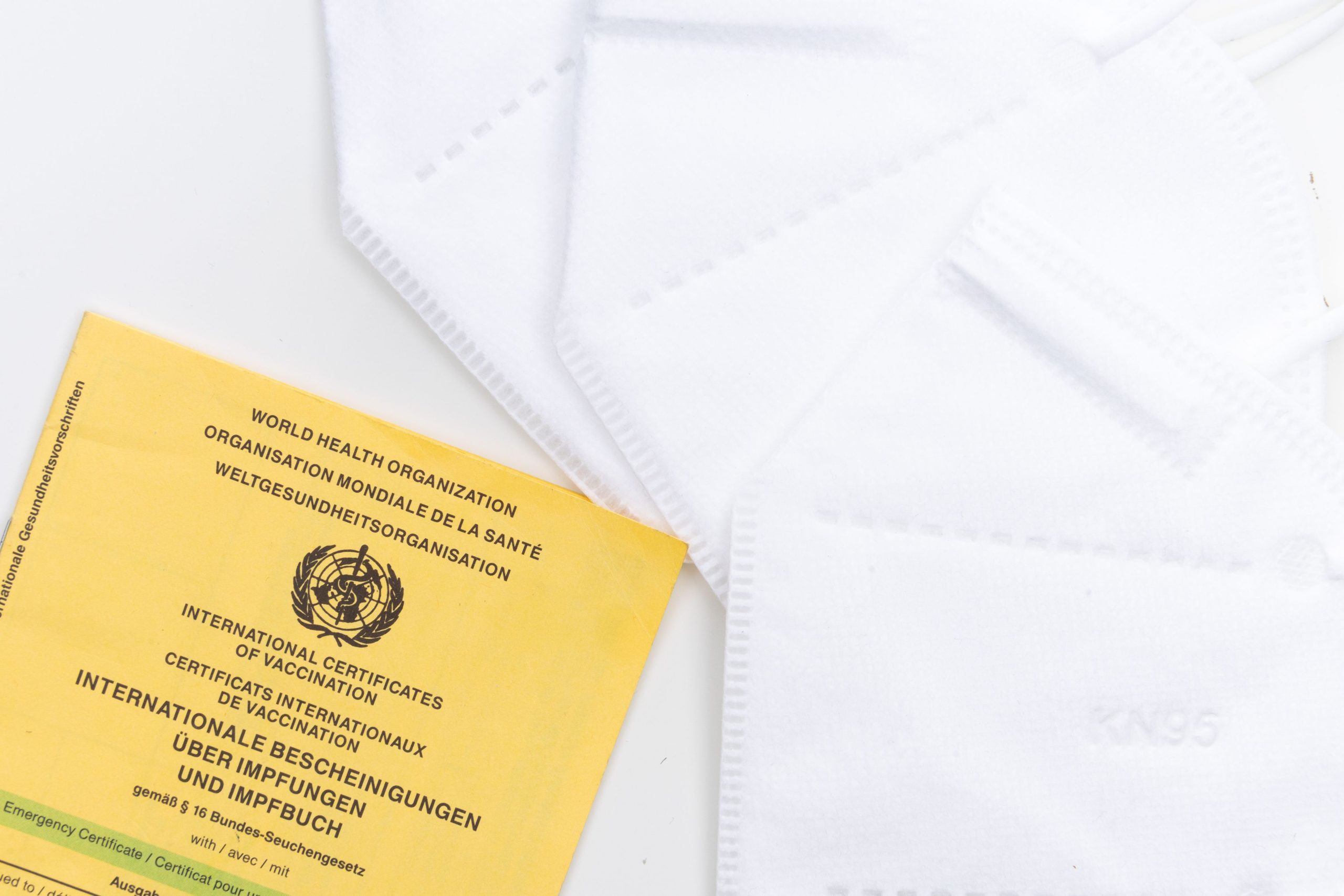
Kenya’s current official health guidance focuses particularly on yellow fever requirements and health screening. Travelers arriving from countries with a risk of yellow fever transmission may be required to present an International Certificate of Vaccination or Prophylaxis (ICVP), commonly called the yellow fever card.
Kenya’s Ministry of Health also states that travelers arriving with flu-like symptoms may be subject to additional health measures, including health screening and COVID-19 testing where applicable.
Because requirements can depend on your departure country and transit itinerary, travelers should check the rules that apply specifically to their journey.
Yellow Fever Vaccination for Kenya
Yellow fever is one of the most important health considerations when traveling to Kenya.
Kenya requires travelers arriving from countries with a risk of yellow fever transmission to present a valid yellow fever vaccination certificate.
This is especially relevant for travelers coming from other East African countries. Kenya’s Ministry of Health lists Uganda among countries where yellow fever vaccination requirements apply for travelers entering Kenya from a yellow-fever-risk country.
When Should You Get the Yellow Fever Vaccine?
Kenya’s Ministry of Health advises that yellow fever vaccination should be completed at least 10 days before travel for the certificate to become valid.
Travelers should carry their original International Certificate of Vaccination or Prophylaxis with their travel documents.
Who May Be Exempt?
Certain people may have medical exemptions from yellow fever vaccination, including some infants, pregnant women in specific circumstances, people with severe egg allergies, and people with certain severe immune-system conditions. These situations should be assessed by a qualified medical professional.
Do not assume that a medical condition automatically exempts you from entry requirements. Obtain appropriate medical documentation and confirm the applicable Kenyan requirements before departure.
Malaria Prevention When Visiting Kenya
Malaria is an important health consideration for safari travelers. Current travel-health guidance identifies malaria risk across much of Kenya, although the level of risk varies by location and altitude. Nairobi and highland areas above approximately 2,500 metres have much lower risk than many other parts of the country.
Safari destinations, rural areas, and warmer lowland regions can have greater exposure.
Travelers should discuss malaria prevention with a doctor or travel-health clinic before departure. Depending on your itinerary and individual circumstances, a medical professional may recommend antimalarial medication.
Protect Yourself From Mosquito Bites
Practical precautions include:
- Wearing long-sleeved shirts and long trousers, especially around dawn and dusk.
- Applying an appropriate insect repellent.
- Sleeping under an insecticide-treated mosquito net where necessary.
- Choosing accommodation with screened windows or effective mosquito protection.
- Following medical advice regarding malaria prevention medication.
If you develop a fever during or after a trip to a malaria-risk area, seek medical attention promptly and tell the healthcare provider about your travel history.
Recommended Vaccinations for Kenya
Not every vaccine is an entry requirement, but travelers should discuss routine and travel vaccinations with a healthcare professional.
Depending on your health, itinerary, activities, and previous vaccination history, your doctor may discuss vaccinations such as:
- Routine childhood and adult vaccinations
- Yellow fever
- Hepatitis A
- Hepatitis B
- Typhoid
- Polio
- Tetanus and diphtheria
- Influenza
- Meningococcal vaccination in appropriate circumstances
- Measles, mumps and rubella where appropriate
Kenya’s Ministry of Health lists several international travel vaccines and provides guidance on their timing and eligibility.
COVID-19 Requirements for Kenya
COVID-19 requirements have changed significantly from the rules used during the pandemic.
Kenya’s Ministry of Health currently states that travelers entering Kenya are not generally required to show proof of COVID-19 vaccination or a pre-departure COVID-19 test. However, travelers arriving with flu-like symptoms may be subject to additional screening and testing measures.
Because public-health requirements can change, travelers should check the latest official information shortly before departure.
Food and Water Safety in Kenya
A safari is much more enjoyable when you avoid preventable stomach illnesses.
Travelers should:
- Drink properly treated or commercially sealed water.
- Be cautious with untreated water.
- Wash hands regularly.
- Use hand sanitizer when soap and water are unavailable.
- Eat food that is thoroughly cooked and served hot.
- Wash fruits before eating them or choose fruit that can be peeled.
- Be cautious with raw or inadequately refrigerated foods.
Kenya’s Ministry of Health recommends frequent handwashing and the use of hand sanitizer where soap and water are unavailable.
Travel Insurance and Medical Evacuation
Travel insurance is an important part of safari preparation.
Remote safari areas can be far from major hospitals. A comprehensive travel insurance policy should ideally cover emergency medical treatment and, where appropriate, medical evacuation.
Travel-health guidance recommends checking that your destination can provide the healthcare you may need and having appropriate insurance for treatment or unexpected medical evacuation.
Before purchasing insurance, check:
- Emergency medical expenses
- Hospital treatment
- Emergency evacuation
- Repatriation
- Safari and adventure activities
- Pre-existing conditions, where applicable
- Trip cancellation and interruption
What Medicines Should You Take to Kenya?
Travelers who regularly take prescription medication should carry enough for the entire trip, plus a reasonable reserve where appropriate.
Keep medicines in their original packaging and carry prescriptions or supporting documentation when necessary.
It is also sensible to discuss your itinerary with a travel-health professional before leaving, particularly if you take prescription medication or have special medical requirements.
Some medicines may have different legal requirements in different countries, so check Kenyan regulations for any controlled or restricted medication before traveling.
Health Screening at Kenyan Entry Points
Travelers may be subject to health screening when entering Kenya. This can include temperature checks and other screening measures when considered necessary. Travelers may also be asked to provide health information or complete relevant forms depending on prevailing public-health circumstances.
Keeping your vaccination documentation and other relevant health records accessible can make the arrival process easier.
Health Preparation for a Kenya Safari
A safari involves spending time outdoors, sometimes in remote areas and varying climates. Preparing for the actual safari environment is therefore just as important as meeting entry requirements.
Consider packing:
- Sunscreen
- Sunglasses
- A wide-brimmed hat
- Insect repellent
- Long-sleeved lightweight clothing
- Comfortable walking shoes
- Personal medications
- Basic first-aid supplies
- Reusable water bottle
- Hand sanitizer
- Personal hygiene supplies
- Any required vaccination certificates
- Travel insurance documentation
If your itinerary includes hiking or high-altitude destinations such as Mount Kenya, discuss altitude-related precautions with your healthcare professional. Altitude sickness is a recognized risk in some parts of Kenya.
Combining Kenya and Uganda on One Safari
Many travelers choose to combine Kenya and Uganda for a broader East African adventure.
A combined itinerary can offer experiences such as:
Kenya:
Maasai Mara wildlife safaris, Amboseli National Park, Lake Nakuru, Tsavo National Parks and the Kenyan coast.
Uganda:
Bwindi Impenetrable National Park, Queen Elizabeth National Park, Murchison Falls National Park, Kibale Forest and other wildlife destinations.
Traveling between countries makes it particularly important to check vaccination and health requirements for each country, as well as the rules associated with your transit points.
For travelers beginning or ending their journey in Uganda, Turkana Wildlife Safaris Uganda can assist with safari planning and East African travel experiences.
Kenya Travel Health Checklist
Before traveling, consider the following:
- Check the latest Kenyan health-entry requirements.
- Confirm whether you need a yellow fever vaccination certificate.
- Obtain yellow fever vaccination early enough for the certificate to become valid.
- Visit a travel-health professional for personalized advice.
- Review malaria prevention options for your itinerary.
- Check routine vaccinations.
- Consider recommended travel vaccinations.
- Arrange comprehensive travel insurance.
- Carry necessary prescription medicines.
- Pack mosquito repellent and sun protection.
- Practice food and water safety.
- Keep important health documents accessible.
- Check requirements for every country included in a multi-country safari.
Why Choose Turkana Wildlife Safaris Uganda?
A well organized safari should allow travelers to focus on wildlife, landscapes, culture, and unforgettable experiences rather than worrying about logistics.
Turkana Wildlife Safaris Uganda can be included in your East African travel plans when you want to explore Uganda alongside a Kenya safari. From wildlife adventures to customized multi-country itineraries, working with a local safari operator can make planning transportation, accommodation, activities, and border crossings easier.
Whether you are planning a Kenya-only adventure or a combined Kenya and Uganda safari, early preparation is one of the best ways to enjoy a smooth journey.
Frequently Asked Questions About Kenya Travel Health Requirements
1. Is a yellow fever certificate required to enter Kenya?
It can be required if you are arriving from a country with a risk of yellow fever transmission. Travelers from such countries should carry a valid International Certificate of Vaccination or Prophylaxis.
2. How long before traveling should I get the yellow fever vaccine?
Kenya’s Ministry of Health advises vaccination at least 10 days before travel for the certificate to become valid.
3. Do I need malaria medication for Kenya?
Malaria risk exists in many parts of Kenya, but the risk varies by location. Discuss your exact itinerary with a travel-health professional to determine whether preventive medication is appropriate.
4. Do I need a COVID-19 vaccination certificate to enter Kenya?
Kenya’s current Ministry of Health guidance states that travelers are generally no longer required to present proof of COVID-19 vaccination or a pre-departure COVID-19 test. Travelers with flu-like symptoms may face additional measures.
5. What vaccinations are recommended for a Kenya safari?
Depending on your personal circumstances and itinerary, a healthcare professional may discuss yellow fever, hepatitis A and B, typhoid, polio, tetanus, influenza, MMR and other vaccines.
6. Should I buy travel insurance for a Kenya safari?
Yes. Travel insurance with medical treatment and emergency evacuation coverage is strongly advisable, particularly when visiting remote safari areas.
7. What should I do if I become sick after returning from Kenya?
Seek medical advice and tell the healthcare provider that you recently traveled to Kenya. This is particularly important if you develop a fever or other significant symptoms after visiting a malaria-risk area.
8. Can I combine a Kenya safari with Uganda?
Yes. Kenya and Uganda can be combined into an exciting East African safari itinerary. However, travelers should check the health and entry requirements for both countries before departure.
9. Can Turkana Wildlife Safaris Uganda organize a Kenya and Uganda safari?
Turkana Wildlife Safaris Uganda can be considered when planning an East African safari that combines Uganda with Kenya. Discuss your preferred destinations, travel dates, activities and budget with the safari operator when designing your itinerary.
10. Where can I find the latest official Kenya health information?
Kenya’s Ministry of Health provides official information for incoming and departing travelers, including yellow fever requirements and other public-health measures.
Conclusion
Understanding Kenya travel health requirements is an important part of planning a successful safari. Yellow fever documentation, malaria prevention, recommended vaccinations, food and water precautions, travel insurance and personal medical preparation should all be considered before departure.
The most important point is to plan ahead. Health requirements can depend on your country of origin, transit itinerary, medical circumstances and current public-health conditions.
For travelers interested in experiencing both countries, a Kenya and Uganda safari offers an exceptional opportunity to explore East Africa’s wildlife and landscapes. With proper preparation and the support of an experienced local safari operator such as Turkana Wildlife Safaris Uganda, you can concentrate on what really matters: enjoying the adventure.
Plan your Kenya and Uganda safari early, check the latest official health requirements before departure, and travel prepared.