
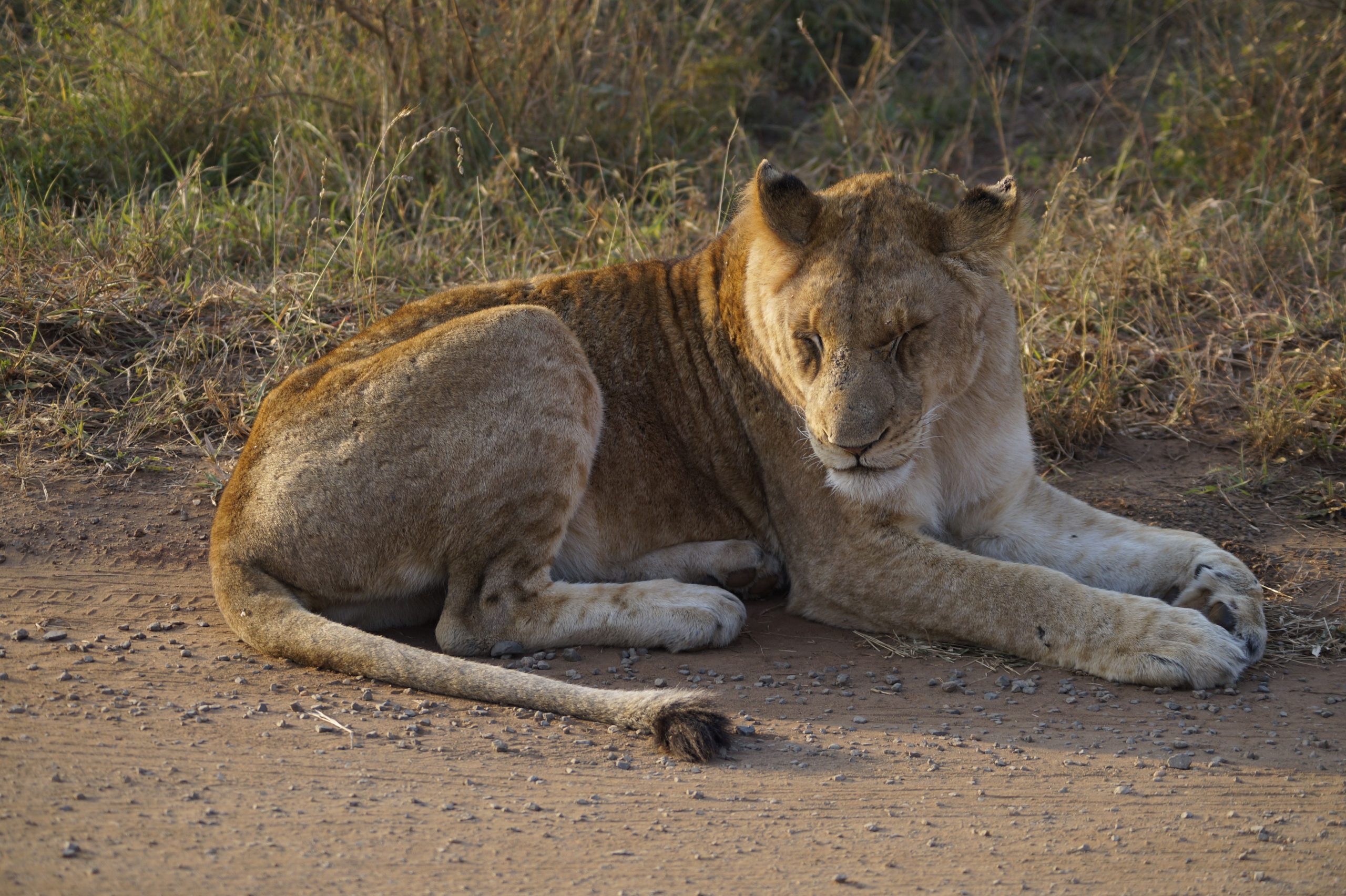
Can you visit multiple parks in one trip
Can you visit multiple parks in one trip
Can You Visit Multiple National Parks in Uganda in One Trip?
Yes, you can visit multiple national parks in Uganda in one trip. In fact, combining several national parks is one of the best ways to experience the incredible diversity of Uganda’s landscapes, wildlife, primates, and cultures.
Uganda is home to savannah plains, tropical rainforests, wetlands, mountains, lakes, and rivers. This makes it possible to combine traditional wildlife safaris with chimpanzee tracking, gorilla trekking, boat cruises, nature walks, and cultural experiences in one itinerary.
With Turkana Wildlife Safaris Uganda, travelers can create customized multi-park safari itineraries based on their available time, interests, accommodation preferences, and budget.
Why Visit Multiple Parks in Uganda?
Visiting several parks allows you to experience different sides of Uganda rather than limiting your adventure to one destination.
For example, you can begin your safari with wildlife viewing in Murchison Falls National Park, continue to Kibale National Park for chimpanzee tracking, explore Queen Elizabeth National Park for game drives and a boat cruise, and finish with gorilla trekking in Bwindi Impenetrable National Park.
Each destination provides a different experience.
Murchison Falls National Park
Murchison Falls National Park is one of Uganda’s most popular safari destinations and is an excellent addition to a multi-park itinerary.
The park is famous for the powerful Murchison Falls, where the Nile River is forced through a narrow gorge before plunging downstream. Visitors can enjoy game drives across the savannah and boat trips along the Victoria Nile.
Wildlife commonly encountered in the park includes elephants, giraffes, buffaloes, hippos, crocodiles, antelopes, and lions. The park is also an excellent destination for birdwatching.
A typical safari can include a visit to Murchison Falls before continuing south toward other destinations.
Kibale National Park
Kibale National Park is particularly important for travelers interested in primates.
The park is famous for chimpanzee tracking and is home to several other primate species. A visit to Kibale can complement a traditional wildlife safari by giving travelers the opportunity to explore a tropical rainforest environment.
Chimpanzee trekking usually involves walking through the forest with trained guides while searching for habituated chimpanzee communities.
Kibale can easily be combined with Queen Elizabeth National Park because the two destinations are relatively close compared with many other Uganda safari routes.
Queen Elizabeth National Park
Queen Elizabeth National Park is one of Uganda’s most diverse wildlife destinations.
The park features savannah, wetlands, forests, crater lakes, and the famous Kazinga Channel. Game drives can provide opportunities to see elephants, buffaloes, lions, leopards, Uganda kob, warthogs, and other wildlife.
A boat cruise along the Kazinga Channel is another major attraction. The waterway is known for concentrations of hippos and crocodiles and provides excellent opportunities for wildlife and bird photography.
Queen Elizabeth National Park is often included in itineraries that also visit Kibale and Bwindi.
Bwindi Impenetrable National Park
For many international visitors, Bwindi is the highlight of a Uganda safari because it is one of the destinations where travelers can participate in mountain gorilla trekking.
The forest is located in southwestern Uganda and provides a spectacular setting for gorilla encounters.
Gorilla trekking can be physically demanding because the forest terrain is mountainous and conditions can vary. However, the opportunity to observe mountain gorillas in their natural habitat is a memorable experience.
Bwindi can be combined with Queen Elizabeth National Park, making it possible to enjoy both traditional wildlife viewing and gorilla trekking during the same journey.
Mgahinga Gorilla National Park
Mgahinga Gorilla National Park is another option for travelers interested in gorilla trekking.
Located in southwestern Uganda, the park forms part of the larger Virunga conservation landscape. In addition to gorilla trekking, the area is known for dramatic volcanic scenery and other forest experiences.
Travelers can include Mgahinga as an alternative to Bwindi when designing a multi-destination Uganda safari.
Kidepo Valley National Park
Kidepo Valley National Park is located in northeastern Uganda and offers a very different safari experience.
The park is characterized by rugged landscapes, expansive valleys, mountains, and relatively remote wilderness. Visitors can see elephants, lions, buffaloes, giraffes, zebras, antelopes, and other wildlife.
Because of its remote location, Kidepo generally requires more travel time than parks located in western or central Uganda. However, travelers with longer itineraries can combine Kidepo with other destinations, particularly when domestic flights are considered.
Lake Mburo National Park
Lake Mburo National Park is a convenient addition to many Uganda safari itineraries, particularly for travelers traveling between Kampala or Entebbe and southwestern Uganda.
The park is known for zebras, impalas, elands, buffaloes, hippos, and other wildlife. It is also one of the destinations where visitors can enjoy activities such as walking safaris and cycling experiences in designated areas.
Lake Mburo can be particularly useful as an overnight stop before continuing toward Bwindi or returning to Kampala or Entebbe.
How Many Parks Can You Visit on One Trip?
The number of national parks you can visit depends mainly on the length of your safari.
A short safari of around three to five days may be better suited to two destinations. A one-week safari can comfortably combine several key attractions, depending on the route.
Travelers with 10 to 14 days can consider a more extensive itinerary covering several national parks and including both wildlife and primate experiences.
Longer trips allow for a slower pace, which means you can spend more time in each destination rather than spending too much of the trip traveling between parks.
Example of a 5-Day Multi-Park Safari
A five-day itinerary could combine Queen Elizabeth National Park and Bwindi Impenetrable National Park.
Day 1 can involve traveling to Queen Elizabeth National Park and enjoying an afternoon game drive.
Day 2 can include a morning game drive followed by a boat cruise on the Kazinga Channel.
Day 3 can involve traveling toward Bwindi while enjoying Uganda’s beautiful countryside along the way.
Day 4 can be dedicated to gorilla trekking.
Day 5 can be used for departure or additional activities depending on the traveler’s departure point.
This type of itinerary combines classic wildlife viewing with one of Uganda’s most famous primate experiences.
Example of a 7-Day Uganda Multi-Park Safari
A seven-day safari could include Kibale National Park, Queen Elizabeth National Park, and Bwindi.
The journey could begin with chimpanzee tracking in Kibale, followed by game drives and a Kazinga Channel boat cruise in Queen Elizabeth National Park. The final part of the trip could focus on gorilla trekking in Bwindi.
This route provides a combination of chimpanzees, gorillas, savannah wildlife, forests, and spectacular scenery.
Example of a 10-Day Uganda Safari
With approximately 10 days, travelers have more flexibility.
A possible itinerary could include:
- Murchison Falls National Park
- Kibale National Park
- Queen Elizabeth National Park
- Bwindi Impenetrable National Park
This itinerary allows travelers to experience the dramatic Murchison Falls, enjoy wildlife viewing, track chimpanzees, explore the Kazinga Channel, and participate in gorilla trekking.
The exact order can be adjusted depending on arrival and departure points.
Example of a 14-Day Uganda Safari
A two-week safari provides even more opportunities.
Travelers could consider combining Murchison Falls, Kibale, Queen Elizabeth, Bwindi, and Lake Mburo. Those interested in a more remote adventure could consider replacing or extending part of the itinerary with Kidepo Valley National Park.
A longer trip also allows travelers to add cultural experiences, nature walks, birdwatching, community visits, or additional game drives.
How Do You Travel Between Uganda’s National Parks?
Most multi-park safaris are conducted by 4×4 safari vehicles with experienced driver-guides.
Traveling by road allows visitors to enjoy the countryside and make stops along the way. Depending on the itinerary, domestic flights can also be considered for destinations where road travel would take significantly longer.
Turkana Wildlife Safaris Uganda can help travelers determine whether road transportation or a combination of road and domestic flights is more appropriate for their itinerary.
Is Visiting Multiple Parks Too Much?
It depends on the itinerary.
Trying to visit too many destinations in a short period can make a safari tiring because Uganda’s national parks are spread across different parts of the country.
A well-planned itinerary should balance travel time with time spent enjoying each destination. Instead of trying to visit every park, it is usually more practical to select destinations that complement each other geographically and according to your interests.
For example, combining Kibale, Queen Elizabeth, and Bwindi creates a logical western Uganda route for travelers interested in chimpanzees, traditional wildlife, and gorillas.
Can You Combine Gorilla Trekking With a Wildlife Safari?
Yes. This is one of the most popular ways to experience Uganda.
A safari can combine gorilla trekking in Bwindi or Mgahinga with traditional game drives in Queen Elizabeth, Murchison Falls, Kidepo Valley, or Lake Mburo.
This allows travelers to experience both Uganda’s forest ecosystems and savannah landscapes during one trip.
Can Families Visit Multiple Parks?
Families can visit multiple parks, although the itinerary should be designed around the ages, interests, and comfort levels of the travelers.
Some activities have age requirements, particularly gorilla trekking and chimpanzee tracking. Travel distances should also be considered when traveling with young children.
A family safari can include game drives, boat cruises, wildlife viewing, cultural experiences, and selected nature activities.
Turkana Wildlife Safaris Uganda can help design a family-friendly itinerary that balances activities and rest.
Can Seniors Visit Multiple Parks?
Yes, senior travelers can enjoy a multi-park safari with appropriate planning.
The main consideration is the physical demands of activities such as gorilla trekking and chimpanzee tracking. Travelers who prefer a more relaxed experience can spend additional time on game drives, boat cruises, scenic routes, and cultural activities.
Accommodation and transportation can also be selected according to comfort preferences.
What Is the Best Time for a Multi-Park Safari in Uganda?
Uganda can be visited throughout the year, but travel conditions and wildlife experiences vary by season.
The drier periods are often popular for traditional wildlife safaris because roads and trails may be easier to navigate. The wetter periods can bring lush scenery and are also important for nature and birdwatching experiences.
Because different activities have different considerations, it is useful to plan the timing according to the specific parks and experiences included in the itinerary.
How Much Does a Multi-Park Uganda Safari Cost?
The cost depends on several factors, including:
- Number of days
- Number of national parks
- Accommodation category
- Number of travelers
- Transportation arrangements
- Park entrance fees
- Gorilla or chimpanzee permits
- Number of game drives
- Boat cruises and other activities
- Travel season
Gorilla trekking can significantly affect the total cost because permits are an important part of the experience.
Turkana Wildlife Safaris Uganda can prepare a safari package based on your preferred destinations, travel dates, accommodation level, and budget.
Why Choose Turkana Wildlife Safaris Uganda?
Turkana Wildlife Safaris Uganda can help travelers organize multi-park safaris throughout Uganda.
A safari can be customized around wildlife viewing, gorilla trekking, chimpanzee tracking, birdwatching, photography, family travel, honeymoon experiences, cultural encounters, or a combination of several interests.
The team can also help coordinate transportation, accommodation, park activities, permits, and the overall itinerary so that travelers can enjoy a well-organized Uganda adventure.
Frequently Asked Questions
Can I visit three national parks in Uganda in one trip?
Yes. Three parks can be combined in one itinerary, particularly when the destinations are geographically convenient. Kibale, Queen Elizabeth, and Bwindi are a popular combination for travelers interested in chimpanzees, wildlife, and gorillas.
Can I visit five national parks in Uganda?
Yes, it is possible with a longer itinerary. A trip of around two weeks or more can provide enough time to combine several parks, although the exact route should be planned carefully to avoid excessive travel.
Which parks can easily be combined?
Kibale, Queen Elizabeth, Bwindi, and Lake Mburo are commonly combined in western and southwestern Uganda itineraries. Murchison Falls can also be added when travelers have sufficient time.
Can I combine Murchison Falls and Bwindi?
Yes. However, the distance between the two destinations means that you should allow sufficient time for transportation. The route can be made more comfortable by including other destinations along the way.
Can I visit Uganda and Rwanda on the same trip?
Yes. Uganda and Rwanda can be combined into one East African itinerary. Travelers can visit destinations such as Bwindi or Mgahinga in Uganda and Volcanoes National Park in Rwanda, depending on their interests and travel arrangements.
How long should I spend in Uganda for a multi-park safari?
A minimum of seven days can provide a good introduction to several destinations. For a more comprehensive experience, 10 to 14 days or longer gives travelers more flexibility.
Can I see gorillas, chimpanzees, and the Big Five on one Uganda trip?
You can combine gorilla trekking, chimpanzee tracking, and wildlife viewing in one itinerary. Uganda offers opportunities to see several iconic African wildlife species, although wildlife sightings are never guaranteed.
Is a private safari better for visiting multiple parks?
A private safari provides greater flexibility because the itinerary can be adjusted around your interests, travel pace, accommodation preferences, and activities. It can be particularly useful when combining several destinations.
Can Turkana Wildlife Safaris Uganda customize my itinerary?
Yes. A multi-park itinerary can be customized according to the number of days available, destinations of interest, accommodation preferences, activities, and budget.
Conclusion
Visiting multiple national parks in Uganda in one trip is an excellent way to experience the country’s remarkable natural diversity. Instead of choosing between wildlife, forests, primates, mountains, rivers, and cultural experiences, travelers can combine several destinations into one carefully planned safari.
From the powerful Murchison Falls and the wildlife-rich plains of Queen Elizabeth National Park to the chimpanzee forests of Kibale and the mountain gorillas of Bwindi, Uganda offers a wide range of experiences that can be combined into unforgettable safari adventures.
With Turkana Wildlife Safaris Uganda, you can plan a customized multi-park safari designed around your interests, available travel time, accommodation preferences, and budget.
Whether you are planning a short 5-day adventure, a 7-day wildlife and primate safari, a 10-day Uganda adventure, or an extended 14-day journey, visiting multiple parks can give you a richer and more varied experience of the Pearl of Africa.