
Do Safari Lodges Have Electricity
Do Safari Lodges Have Electricity
Do Safari Lodges Have Electricity in Uganda? A Complete Guide for Travellers
Introduction
One of the common questions travellers ask when planning a safari in Uganda is whether safari lodges have electricity. Visitors want to know if they can charge their phones, keep their cameras ready for wildlife photography, use their laptops, enjoy lighting in their rooms, and access other modern conveniences while staying close to nature.
The good news is that most safari lodges in Uganda provide electricity, although the availability, reliability, and source of power vary depending on the location, accommodation category, and facilities offered. Lodges in cities and larger towns are more likely to rely on the national electricity grid, while properties in remote national parks and wildlife areas frequently use solar energy, generators, or a combination of different power sources.
When planning a safari with Turkana Wildlife Safaris Uganda, understanding electricity arrangements can help you select suitable accommodation and prepare for a comfortable wildlife adventure.
1. Do Safari Lodges in Uganda Have Electricity?
Yes, most established safari lodges and permanent tented camps in Uganda have electricity. However, travellers should not assume that every property provides uninterrupted power throughout the day and night.
Accommodation facilities around popular destinations such as Murchison Falls National Park, Queen Elizabeth National Park, Bwindi Impenetrable National Park, Kibale National Park, and Lake Mburo National Park may have different electricity arrangements.
Some lodges offer electricity around the clock, while others provide power during scheduled hours, particularly in the morning and evening. Remote properties may depend on solar panels and battery storage, with generators available when additional power is required.
Before confirming your accommodation, ask whether electricity is available inside individual rooms or only in shared areas. This simple question can help you avoid inconvenience during your trip.
2. How Do Safari Lodges Generate Electricity?
Safari lodges in Uganda use several methods to provide electricity to their guests. The system depends on the property’s location, infrastructure, sustainability objectives, and electricity requirements.
Solar Power
Solar energy is increasingly important for accommodation facilities in Uganda’s remote wildlife destinations. Solar panels collect sunlight and convert it into electricity, which can be stored in batteries for use during the evening and night.
Solar power can provide lighting, operate selected appliances, support refrigeration, and allow guests to charge phones and cameras. Some lodges use advanced battery systems to maintain electricity even when sunlight is unavailable.
Solar energy also helps reduce dependence on fuel and minimises generator noise, allowing visitors to enjoy the peaceful atmosphere of the African wilderness.
Generator Power
Some lodges use diesel or petrol generators to supply electricity, especially where connections to the national grid are limited or unreliable.
Generators may operate throughout the day at certain properties, while others switch them on during designated hours. For example, a lodge might provide generator power early in the morning and again in the evening when guests return from game drives.
Because operating generators requires fuel and maintenance, some accommodation facilities restrict their use to essential periods. Guests should therefore confirm the operating schedule before arrival.
National Grid Electricity
Lodges near towns and established electricity networks may receive power from Uganda’s national grid. These properties can offer a familiar hotel experience, although interruptions can still occur.
Some grid connected lodges also maintain backup generators or solar systems to provide electricity during outages.
Hybrid Electricity Systems
A hybrid system combines solar panels, batteries, and a generator or grid connection. Solar energy may meet everyday requirements, while stored electricity supplies power after sunset. A generator or grid connection can provide additional support when necessary.
This arrangement can improve reliability and reduce fuel consumption, making it a practical option for accommodation in remote safari destinations.
3. Is Electricity Available in Safari Lodge Rooms?
Electricity availability inside guest rooms depends on the individual lodge.
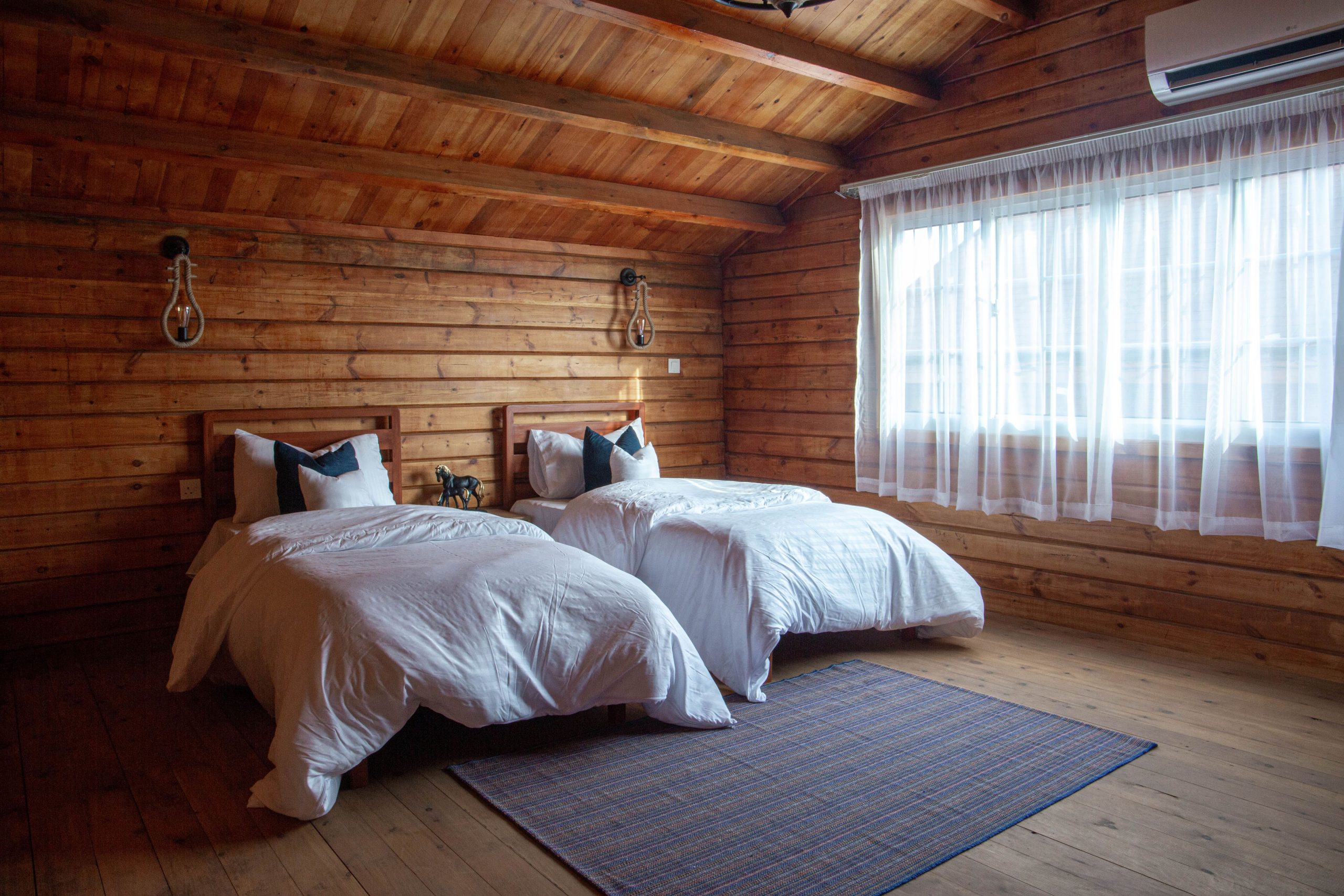
Many midrange and luxury safari lodges provide room lighting, electrical sockets, and charging facilities. Some have modern bathrooms, electric appliances, and other amenities that require a consistent power supply.
At smaller camps and eco lodges, electricity may be more limited. Guests might have lighting in their accommodation but need to charge electronic devices at a central station near reception, the restaurant, or the main lounge.
Some properties also use low voltage lighting systems designed to reduce energy consumption.
When booking through Turkana Wildlife Safaris Uganda, travellers should communicate any special requirements in advance, especially if they need to power medical equipment, professional photography equipment, or several electronic devices.
4. Can You Charge Phones and Cameras at Safari Lodges?
Yes, charging mobile phones and cameras is generally possible at established safari lodges in Uganda.
However, the location of charging points and the hours during which they are available can differ from one property to another. Some lodges have sockets in guest rooms, while others provide shared charging facilities.
Travellers visiting Uganda for wildlife photography should plan their charging schedule carefully. Early morning game drives, boat cruises, and full day wildlife excursions can make it difficult to return to the lodge during daylight hours.
Consider charging your camera batteries, phone, and other essential devices overnight whenever electricity is available. Carrying spare camera batteries and a reliable power bank is also advisable.
If you are bringing several devices, ask the lodge whether sufficient charging points are available and whether you can leave equipment charging safely in your room.
5. Do Safari Lodges Have Electricity at Night?
Most established safari lodges provide lighting at night, helping guests move around their accommodation and enjoy evening meals comfortably.
However, the source of electricity and its operating schedule vary. Solar powered lodges may use battery stored energy after sunset, while generator dependent camps may switch off their generators at a specified time to reduce noise and fuel consumption.
Some lodges maintain continuous power, whereas others restrict electricity to certain hours.
Even when a lodge has electricity, it is sensible to carry a small torch or headlamp. This is especially useful when walking between your room and the restaurant, preparing for an early morning game drive, or staying at a remote tented camp.
Always follow the lodge staff’s instructions when moving around at night, particularly in accommodation located near wildlife habitats.
6. Does Electricity Affect the Comfort of a Safari Lodge?
Electricity contributes significantly to the comfort and convenience of a safari stay, but the overall experience also depends on the quality of the accommodation and the services offered.
A lodge with reliable electricity can provide convenient device charging, refrigeration, lighting, communication facilities, and certain modern bathroom amenities. Some properties also use electricity for water pumps and heating systems.
Nevertheless, limited electricity does not necessarily mean that a lodge offers poor accommodation. Many remote eco lodges provide excellent hospitality, comfortable beds, good meals, and memorable wildlife views while operating with carefully managed solar energy.
The most important consideration is whether the lodge’s facilities match your expectations and personal needs.
If uninterrupted electricity, in room charging, reliable internet access, or the use of high powered appliances is essential to you, confirm these facilities before making your reservation.
7. Electricity at Uganda’s Popular Safari Destinations
Murchison Falls National Park
Murchison Falls National Park is famous for its dramatic waterfall, wildlife viewing, boat cruises, and game drives across open savannah.
Accommodation around the park varies from budget guesthouses to luxury safari lodges. Some facilities have grid connections or generators, while others rely on solar energy and battery storage.
Travellers should confirm whether their chosen lodge offers continuous electricity and charging facilities, especially when carrying photography equipment for wildlife excursions.
Queen Elizabeth National Park
Queen Elizabeth National Park offers opportunities to see elephants, buffaloes, antelopes, hippos, and numerous bird species.
The electricity arrangements at lodges around the park differ according to their location and infrastructure. Some properties have access to grid electricity, while others use solar power, generators, or hybrid systems.
Ask your accommodation provider whether electricity is available in guest rooms and whether there are restrictions on charging appliances.
Bwindi Impenetrable National Park
Bwindi is one of Uganda’s most important destinations for mountain gorilla trekking. Many travellers stay in lodges near the park’s different trekking sectors.
Because some accommodation facilities are located in remote, forested areas, solar energy and backup generators are important sources of electricity.
If you are preparing for an early morning gorilla trekking experience, charge your phone, camera, and other essential devices the previous evening. A headlamp and spare batteries can also be useful.
Kibale National Park
Kibale National Park is well known for chimpanzee tracking and forest experiences. Lodges in the surrounding area offer different standards of accommodation and electricity provision.
Some properties have reliable mains power, while others use alternative energy systems. Confirm the arrangements at your chosen lodge if you need to charge cameras, laptops, or specialised equipment.
Lake Mburo National Park
Lake Mburo National Park is a popular destination for game drives, boat excursions, walking safaris, and wildlife photography.
Accommodation around the park ranges from simple camps to comfortable safari lodges. Electricity provision varies, with some properties using solar power or generators.
A portable power bank can be particularly useful if you plan to spend long periods exploring the park.
8. What Type of Electrical Plug Is Used in Uganda?
Uganda generally uses the British style three pin Type G electrical plug. The standard mains supply is approximately 230 to 240 volts at 50 hertz.
Travellers arriving from countries that use different plug types should carry a suitable travel adapter.
Before connecting your electronic equipment, check the voltage requirements printed on the device or its power adapter. Many modern phone and laptop chargers support a wide voltage range, but not every appliance does.
If you are bringing specialised equipment, check its compatibility before departure. A plug adapter changes the physical connection, but it does not necessarily convert voltage.
9. What Should You Pack for Electricity During a Uganda Safari?
Preparing for differences in electricity availability can make your safari much easier.
Consider packing the following items:
- A universal travel adapter that supports Type G plugs.
- A power bank for charging your phone during long excursions.
- Spare batteries for your camera and other photography equipment.
- A torch or headlamp for use after dark.
- Charging cables for all your essential devices.
- A suitable power converter if a particular appliance requires voltage conversion.
- A compact multiport USB charger, provided the lodge permits its use.
- A protective case or bag for electronic equipment.
If you depend on a medical device that requires continuous electricity, contact your accommodation provider before travelling. Confirm that the power supply can meet your needs and discuss a backup arrangement.
10. How Turkana Wildlife Safaris Uganda Can Help You Choose Accommodation
Choosing the right accommodation is an important part of planning a successful Uganda safari. Besides considering location, price, room comfort, and proximity to wildlife activities, it is worth checking electricity availability before confirming your booking.
Turkana Wildlife Safaris Uganda can be a useful starting point for exploring safari travel options and discussing the accommodation arrangements for your planned trip.
Visit the Turkana Wildlife Safaris to explore the company’s safari offerings. You can also learn more about accommodation through its Galdessa Camp information page. Please note that Galdessa Camp is located in Kenya, not Uganda, so its facilities should not be treated as evidence of the electricity arrangements at Ugandan lodges.
When arranging a Uganda safari, ask for accommodation recommendations that suit your budget, preferred destinations, and electricity requirements. Request confirmation of room charging points, overnight power availability, backup systems, and any restrictions on appliances.
By discussing these details in advance, you can enjoy your wildlife adventure with greater confidence and fewer unexpected inconveniences.
Frequently Asked Questions About Electricity at Safari Lodges in Uganda
1. Do all safari lodges in Uganda have electricity?
Most established safari lodges provide electricity, but the availability and reliability vary. Some use the national grid, while remote lodges may depend on solar panels, batteries, and generators.
2. Is electricity available 24 hours a day at safari lodges?
Some lodges provide electricity around the clock, but others operate generators during specific hours or rely on available battery capacity. Confirm the exact schedule with your chosen property.
3. Can I charge my phone at a Uganda safari lodge?
Yes, charging facilities are available at most established lodges. Depending on the property, sockets may be located in guest rooms or shared areas.
4. Can I charge my camera batteries during a safari?
Generally, yes. However, you should confirm the location and availability of charging points. Carrying spare batteries is particularly helpful for photography enthusiasts.
5. Do remote safari lodges use solar power?
Many remote lodges use solar panels and battery storage because connections to the national electricity grid may be limited. Some supplement solar energy with generators.
6. Will I have electricity during the night?
Most established lodges provide some form of nighttime lighting. However, the amount of available electricity and the operating hours depend on the property’s power system.
7. Can I use a hairdryer at a safari lodge?
It depends on the lodge. Hairdryers and other high powered appliances may not be permitted at properties with limited solar capacity or small generators. Ask before travelling if you need to use one.
8. What plug adapter should I bring to Uganda?
A Type G travel adapter is generally suitable for Ugandan mains sockets. Check your devices’ voltage requirements before connecting them.
9. Is electricity available at gorilla trekking lodges in Bwindi?
Many lodges near Bwindi provide electricity, often using solar systems, batteries, generators, or grid connections. Availability in individual rooms and charging schedules vary.
10. Should I carry a power bank on a Uganda safari?
Yes. A power bank is a practical backup for charging your phone during long game drives, boat trips, and other excursions, particularly when electricity access is limited.
11. Can I charge my laptop at a safari lodge?
Some lodges provide suitable sockets, but access to reliable power and compatible outlets varies. Confirm availability in advance if you need your laptop for work or other essential activities.
12. How can I confirm electricity availability before booking?
Contact the lodge directly or ask your safari operator to verify whether power is available continuously, whether rooms have sockets, and whether charging facilities are shared.
Conclusion
Electricity is available at most established safari lodges in Uganda, making it possible for travellers to enjoy comfortable accommodation while exploring the country’s remarkable wildlife destinations. However, power availability depends on the lodge’s location, energy source, and facilities. While some properties provide electricity throughout the day and night, others use solar power, battery storage, or generators that operate at scheduled times.