
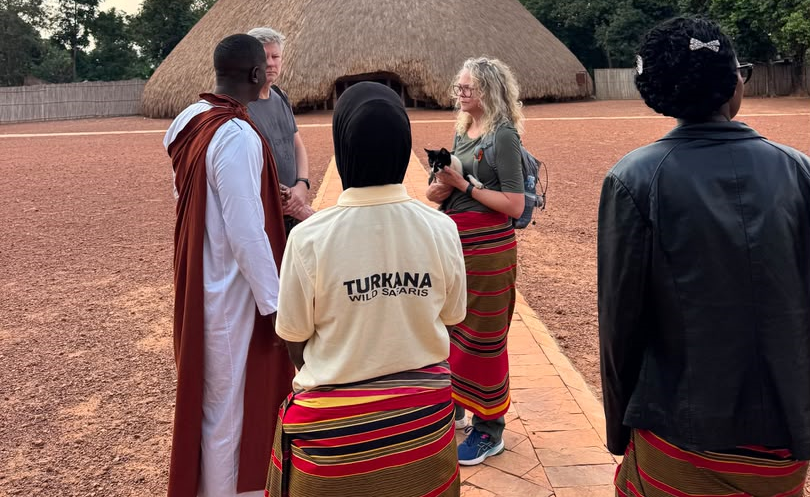
Can I Visit Local Communities During Safari
Can I Visit Local Communities During Safari
Can I Visit Local Communities During a Safari in Uganda
Introduction
Uganda is celebrated worldwide for its mountain gorillas, chimpanzees, and breathtaking national parks. Yet the true soul of the Pearl of Africa lies in its people. A safari in Uganda offers far more than wildlife sightings. It opens a door to vibrant cultures, ancient traditions, and warm communities that live alongside the country’s protected areas. The answer to whether you can visit local communities during a Uganda safari is a resounding yes. In fact, community visits are one of the most rewarding and memorable parts of any Ugandan adventure. These experiences allow travellers to connect with the people whose lives are intertwined with the landscapes and wildlife that draw visitors from across the globe. Turkana Wildlife Safaris Uganda can help you incorporate meaningful community encounters into your itinerary alongside gorilla trekking, chimpanzee tracking, and game drives. For travellers planning a Uganda safari, Turkana Wildlife Safaris Uganda can include community experiences in a customized itinerary.
Why Community Visits Belong on a Uganda Safari
Wildlife may be the headline attraction for many Uganda safaris, but the country is also shaped by kingdoms, clan systems, farming traditions, pastoralist communities, sacred sites, music, craft, and food culture. A gorilla trek can show you one part of Bwindi Impenetrable National Park, but a well guided visit with a nearby community can help explain the human history around the forest, the pressures on land, and why tourism revenue matters. Uganda’s protected areas do not exist in isolation. Communities border forests, wetlands, crater lakes, and savannah corridors. Some families farm near park boundaries. Others work as guides, porters, craftspeople, lodge staff, rangers, drivers, performers, or conservation educators. A thoughtful cultural stop can connect your safari spending to local livelihoods in visible, human terms.
The Batwa Experience in Bwindi
In southwestern Uganda near Bwindi Impenetrable National Park, the Batwa people offer one of the most intimate and educational cultural experiences in the country. Known as the First People of the Forest, the Batwa lived in harmony with mountain gorillas for thousands of years as hunter gatherers. Today, visitors can join the Batwa Cultural Trail, walking through the forest with a Mutwa guide who demonstrates how to light a fire with sticks, identify life saving herbs, and shoot a traditional bow and arrow. The Batwa Experience in Bwindi allows visitors to hear stories, experience traditions, and see the forest through Batwa eyes. Each visitor pays 25 USD to join the cultural tour, and during peak months, up to 80 visitors take part. Every Batwa who joins receives a facilitation fee, and part of the income supports a community fund that helps with school fees, pens, and books for children. This experience is not only about income. It is also about preserving identity and keeping culture alive for future generations.
The Karamojong of Kidepo Valley
In the remote northeastern corner of Uganda, where the jagged peaks of the Karamoja region meet the vast plains of Kidepo Valley National Park, live the Karamojong people. Often compared to the Maasai, they are proud nomadic pastoralists whose lives revolve around their cattle and their Manyattas, which are enclosed homesteads. A visit to a Karamojong village offers a powerful and respectful encounter with one of Uganda’s most resilient cultures. Visitors can spend an evening in a Manyatta, witnessing rhythmic jump dances, learning about traditional scarification that tells a person’s life story, and discovering Akuj, their god of nature and wealth. The Karamojong have long been considered culturally self contained and largely unaffected by colonial influence. Today, they are seeking to translate their heritage into sustainable tourism offerings on their own terms. A community conservation hub and lodge near Kidepo Valley National Park aims to provide a direct source of income for local families, foster economic empowerment, and preserve traditional skills. Tourists can join a visceral kraal experience where a goat is slaughtered using a traditional spear, its hide removed with the same blade, and the meat roasted over acacia wood fires. The ritual is accompanied by dance, storytelling, and local beer, drawing visitors into a centuries old social world of courtship, conquest, and communal pride.
The Bahima and Ankole Cattle Keepers
Near Lake Mburo National Park in western Uganda, the Rurambira Community Conservancy offers tourists the opportunity to experience the traditional Bahima way of life. The Bahima are known for their long horned Ankole cattle, which coexist with wildlife such as zebra, eland, and other antelope. Nature walks and cycling are available, along with cultural visits to Bahima homes where visitors can learn about traditional ghee making and beadwork. The conservancy was established in 2014 with the goal of conserving flora and fauna while earning from community tourism. One of the trained guides, Wycliffe Namanya, explained that the community wanted to let people know that the wildlife they see on their land is useful and should be conserved. The conservancy has trained six professional tourist guides from the local Bahima tribe, in addition to facilitating training in conservation management and specific programmes for women and youth.
The People of Bigodi Wetland
Near the chimpanzee filled forests of Kibale National Park lies the Bigodi Wetland Sanctuary, a global success story of what happens when a community decides to guard its own backyard. Visitors can take a guided walk through the swamp with a local naturalist, spotting the Great Blue Turaco and eight different species of primates. Afterward, a visit to the Bigodi Women’s Group reveals how local women transform swamp grass into world class art. The community run KAFRED, which stands for Kibale Association for Rural and Environmental Development, uses 100 percent of tourism profits to fund the local Bigodi Secondary School and health clinics. Here, every bird you spot helps pay a child’s tuition.
The Bakonzo of the Rwenzori Mountains
The Mountains of the Moon are guarded by the Bakonzo people, legendary climbers who have navigated these snow capped equatorial peaks for centuries. Visitors can engage in the Ruboni Community Hike, which goes beyond seeing the peaks to visit a traditional healer, learn how to grind millet on a stone, and hear stories of the mountain spirits that the Bakonzo believe watch over their land. This experience offers a deep connection to the cultural heritage of the Rwenzori region.
How to Visit Communities Respectfully
A respectful cultural visit begins before you arrive. It should be organised through a credible local contact, community association, lodge partner, or professional safari planner who understands local expectations. The host community should know who is coming, what the visit involves, how long it will take, and how payment is handled. Fair compensation is central. Travellers sometimes underestimate the time required to receive visitors. Guides prepare routes, performers gather, elders make themselves available, craft sellers arrange displays, and families may pause daily work. A low cost activity can still be ethical if fees are transparent and locally agreed, but a visit should never depend on unpaid emotional labour or pressure to perform poverty for photographs. Consent matters just as much as cost. Always ask before photographing people, homes, ceremonies, children, sacred objects, or private spaces. If someone declines, accept it immediately. A missed photo is never a failed experience. Interpretation is another marker of quality. A strong cultural visit gives you context about who is speaking, what their role is, why a tradition matters, how it is changing, and what guests should avoid misunderstanding.
Cultural Etiquette Tips for Uganda
Greetings matter more than you might expect. A warm, unhurried greeting is genuinely important in Ugandan rural culture, and taking a moment to greet someone properly before launching into a question or request is noticed and appreciated. Dress modestly in village settings. In some communities, women and children kneel before elders while greeting them, and visitors are encouraged to respect local customs by dressing conservatively, especially when visiting rural communities or places of worship. Use your right hand when handing over money, gifts, or shaking hands. Do not rush conversations or transactions. Avoid public displays of affection. Learning basic greetings in local languages is always appreciated. For example, Oli otya means hello in Luganda. Ask questions respectfully and remember that locals are often happy to share their culture.
Responsible Tourism and Community Benefit
Responsible tourism in Uganda means engaging with local communities only through ethical, agreed partnerships with no exploitation of marginalised groups. Respect privacy by asking before taking photographs of people or property. Support excursions that contribute directly to community led tourism and development projects. Choose eco friendly safari operators in Uganda who prioritise community based tourism practices and wildlife conservation guidelines. When you visit communities through a reputable operator like Turkana Wildlife Safaris Uganda, your safari can include experiences that benefit local people directly. For travellers who want to combine meaningful conservation work with an African adventure, Turkana Wildlife Safaris Uganda can help organise a Uganda safari experience that includes a volunteer stay at Ngamba Island, together with accommodation, transportation, and additional wildlife or cultural experiences. Volunteering at Ngamba Island allows participants to spend time working alongside sanctuary staff and contributing to the welfare of rescued chimpanzees, with placements of one to four weeks. Longer volunteer programmes may provide opportunities to understand how wildlife conservation connects with local communities and environmental awareness.
Frequently Asked Questions
Can I visit local communities during a safari in Uganda?
Yes, absolutely. Community visits are a well established and highly rewarding part of Uganda safaris. Many tour operators, including Turkana Wildlife Safaris Uganda, can include cultural experiences in a customized itinerary alongside wildlife activities.
Which communities can I visit in Uganda?
You can visit the Batwa people near Bwindi Impenetrable National Park, the Karamojong in the Kidepo Valley region, the Bahima near Lake Mburo National Park, the people of Bigodi near Kibale National Park, and the Bakonzo in the Rwenzori Mountains, among others.
How much does a community visit cost?
Costs vary. The Batwa Experience in Bwindi costs 25 USD per visitor, with fees going directly to the community and a community fund. Other community visits have different pricing structures depending on the activities involved.
Is it respectful to visit local communities?
Yes, when done properly. A respectful visit involves planning through a credible local contact, fair compensation, asking before taking photographs, and treating culture as a living reality rather than entertainment on demand.
What should I wear when visiting a local community?
Dress modestly, especially in rural areas. Visitors are encouraged to respect local customs by dressing conservatively when visiting rural communities or places of worship.
Can I take photographs in local communities?
Always ask for permission before taking photos of people, homes, ceremonies, children, sacred objects, or private spaces. If someone declines, accept it immediately.
How do community visits benefit local people?
Community visits provide direct income for local families, support community funds for education and health, preserve traditional skills and culture, and create opportunities for Batwa youth, reformed poachers, and women’s groups.
Can I combine community visits with gorilla trekking?
Yes. Many Uganda safari itineraries combine gorilla trekking in Bwindi with a visit to the Batwa community, or chimpanzee tracking in Kibale with a walk through Bigodi Wetland and a visit to the Bigodi Women’s Group.
Conclusion
Visiting local communities during a safari in Uganda is not only possible but highly recommended. These experiences add depth, meaning, and human connection to any wildlife adventure. From the Batwa forest guides of Bwindi to the Karamojong pastoralists of Kidepo, from the Bahima cattle keepers near Lake Mburo to the wetland guardians of Bigodi, Uganda’s communities offer travellers a rare opportunity to see the country through the eyes of those who know it best. When done respectfully and with fair compensation, community visits support conservation, preserve cultural heritage, and create lasting benefits for local families. As you plan your Uganda safari, consider making time for the people as well as the wildlife. The memories you make will be all the richer for it. Turkana Wildlife Safaris Uganda can help you design a journey that honours both the natural wonders and the cultural treasures of the Pearl of Africa